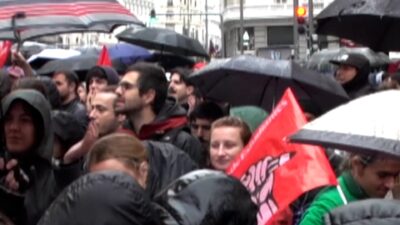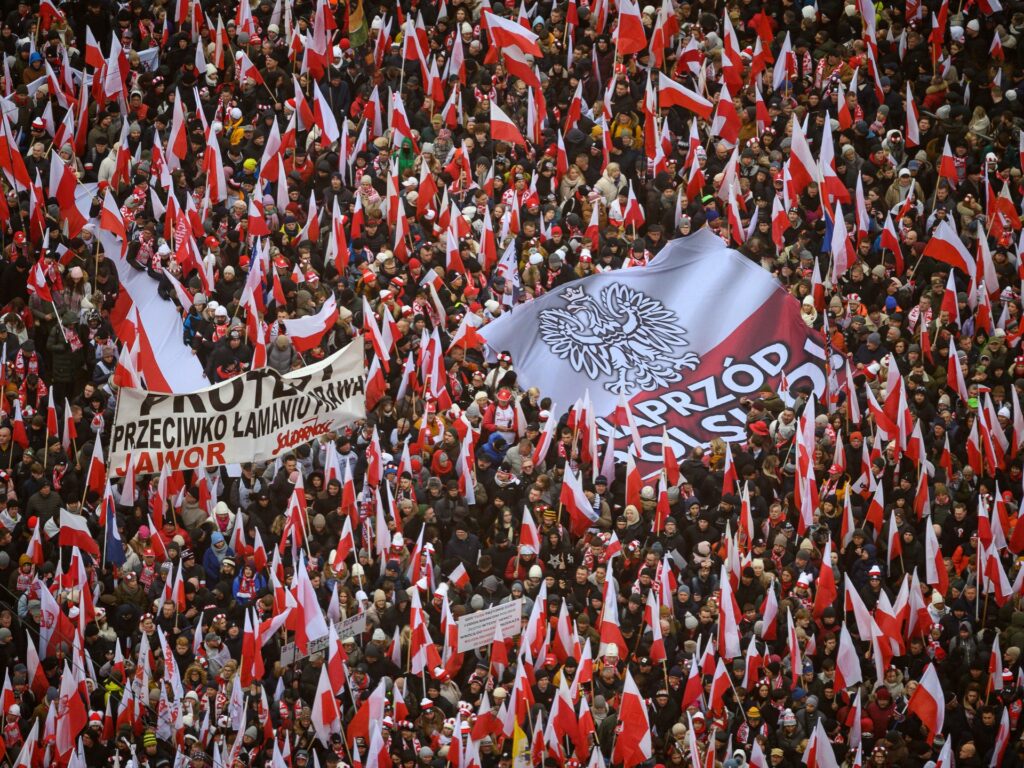
On November 11th, tens of thousands of people took to the streets of Poland to participate in the annual nationalist Independence Day march, a deeply symbolic event commemorating Poland’s regaining of independence in 1918. Despite the festive occasion, the atmosphere was charged with political undertones as Poland continues to wrestle with rising nationalism and far-right ideologies.
The march, held primarily in Warsaw, has historically been dominated by nationalist groups celebrating Polish sovereignty and identity. This year’s event saw an even larger turnout, drawing broad attention both domestically and internationally. Participants waved flags and chanted patriotic slogans, emphasizing themes of national pride and cultural heritage. However, the march was also marked by the ongoing challenge of reconciling nationalist fervor with the need for social unity and peace.
Recent events have cast a shadow over the celebrations. Just days earlier, a deadly attack in Krakow was linked to far-right extremist ideology, raising concerns about the rise of radicalism in the country. This tragedy has prompted serious reflection among political leaders and citizens alike.
Polish Prime Minister Donald Tusk addressed the nation in the wake of the attack, calling for restraint amidst the volatile political climate. Tusk urged all Poles to come together in unity, emphasizing that violence and extremism threaten the very fabric of society. “We must resist the forces that seek to divide us,” he said, highlighting the importance of dialogue and mutual respect in building a stable future.
Tusk’s message underscored the delicate balance Poland faces: honoring the legacy of its independence while steering clear of the divisive and sometimes dangerous currents of nationalism.
Experts note that the Independence Day march often serves as a barometer for the country’s political and social trends. The increased participation this year reflects heightened public engagement but also raises questions about the growing appeal of nationalist rhetoric.
Civil society organizations advocating for tolerance and inclusivity have voiced concerns over the depiction of certain groups and communities during the rally, warning against any rhetoric that may incite hatred or discrimination.
The Polish government has pledged to strengthen measures against extremist activities while promoting initiatives aimed at fostering inclusiveness and respect across diverse cultural and ethnic backgrounds.
International observers have monitored the situation closely, recognizing Poland’s pivotal role in European politics and the potential implications of its internal dynamics on regional stability.
As Poland commemorates its independence, the challenge remains to harness the spirit of patriotism in a way that unites rather than divides its people. The call from leaders like PM Tusk for unity and restraint resonates strongly amidst the emotional and complex backdrop of current events.
The Independence Day march, while a celebration of historical achievement, has thus become a focal point for broader discussions about national identity, democracy, and the values that will guide Poland’s future.
With ongoing dialogue and commitment to peace, many hope that Poland can navigate these challenges successfully, honoring its past while building an inclusive and resilient society for generations to come.