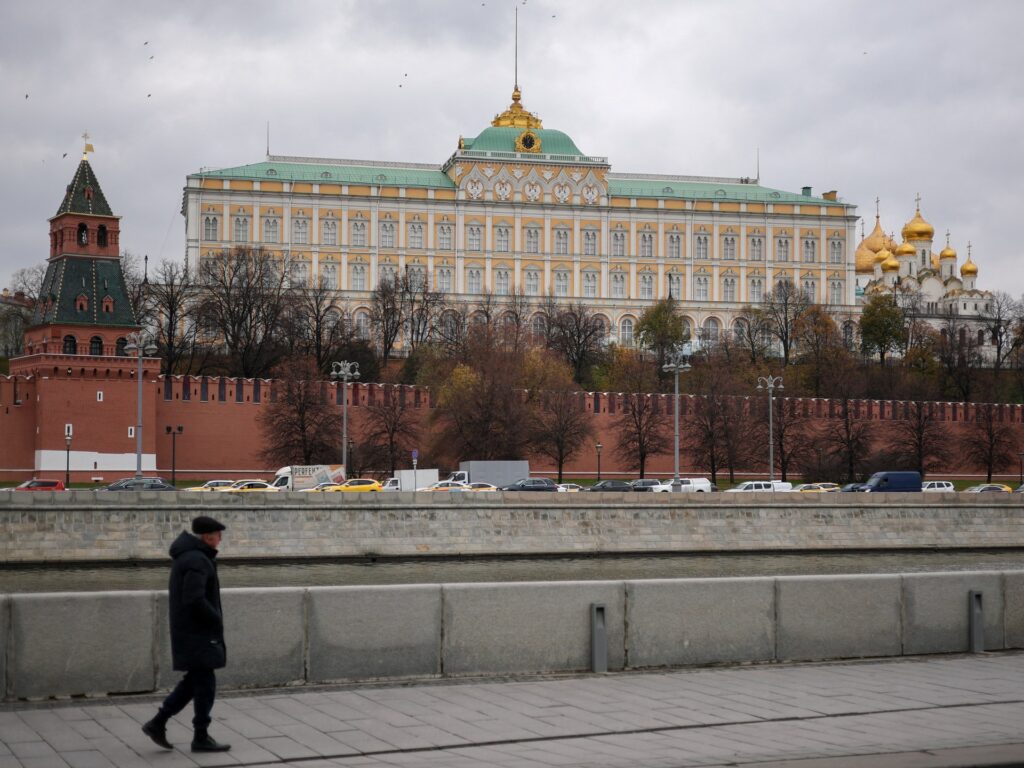
In a recent development that underscores the ongoing tensions between Russia and France, the Kremlin has announced a ban on two French lawmakers and two journalists. This move is seen as a direct response to the expulsion of a Russian commentator who previously served as the head of RT France.
The Kremlin spokeswoman stated that the ban was enacted as a tit-for-tat measure, highlighting the reciprocal nature of diplomatic and media-related actions between the two countries. The specific identities of the French lawmakers and journalists have not been disclosed publicly, but the measure is emblematic of the strained relations and escalating diplomatic retaliations.
This ban follows the earlier decision by French authorities to expel a Russian commentator associated with RT France, a channel known for its Russian government affiliation. The expulsion was reportedly due to concerns over journalistic practices and alignment with Russian state narratives.
The situation reflects broader geopolitical frictions, where media personnel and political figures have become focal points in the tussle between Russia and Western nations, particularly in the context of recent conflicts and disagreements over policy.
Analysts suggest that such bans and expulsions are part of a strategy by both sides to assert their positions and signal disapproval without resorting to more severe diplomatic consequences. The media and lawmakers involved often serve as symbolic representatives in these international disputes.
The ban on the French lawmakers and journalists could have implications for bilateral exchanges and cooperation, potentially impacting future dialogue and collaboration in political and media sectors. It also raises concerns about the freedom of the press and the treatment of journalists in politically sensitive environments.
Russia’s decision to impose the ban illustrates the delicate nature of international relations in the current geopolitical climate, where actions and reactions are closely monitored and quickly reciprocated. This cycle of retaliation highlights the challenges in maintaining constructive communication channels amidst ongoing disputes.
Observers will be watching closely to see how France responds to this latest development and whether any efforts will be made to de-escalate tensions. The episode serves as a reminder of the complex interplay between media representation and diplomatic relations in today’s interconnected world.
As the situation evolves, the international community remains attentive to the implications such actions may have on broader diplomatic ties, the role of the media in international politics, and the prospects for dialogue and resolution between Russia and France.