Recent reports have highlighted the severe ecological and agricultural disruptions caused by ongoing conflict in Lebanon, with Israel’s actions playing a significant role in this turmoil. The war has devastated farmlands, particularly in southern Lebanon and the Bekaa Valley, critical areas for wheat production. These disruptions have led to a dramatic decline in Lebanese wheat cultivation, threatening local food security and livelihoods.
Lebanon’s agricultural sector, traditionally vital to its economy and sustenance, is facing unprecedented challenges. The conflict’s direct impacts on farmlands include destruction of crops, damage to irrigation systems, and contamination of soil and water resources. Such damage is not only immediate but also has long-term ramifications for the regeneration of these ecosystems.
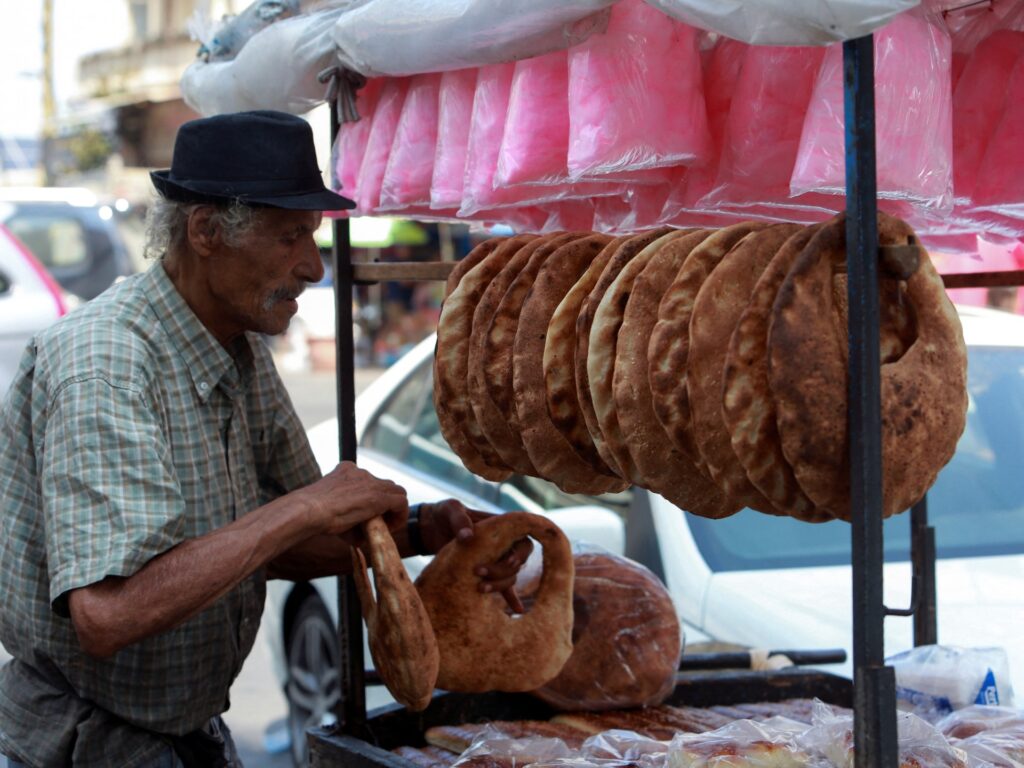
The southern region of Lebanon and the fertile Bekaa Valley, known for their wheat fields, have been especially hard-hit. Wheat, a staple food in Lebanon, is now at risk due to the ongoing violence. Farmers have reported significant losses, with many fields left unplanted or ruined by military activities. The disruption to wheat production affects not just food supply but also economic stability for countless families who depend on farming for their income.
Environmental experts warn that the conflict is causing a widespread ecological imbalance. Beyond the agricultural losses, entire ecosystems are being disrupted. The destruction of farmland affects local biodiversity, reduces soil fertility, and increases vulnerability to erosion. Such ecosystem degradation can have a cascading effect on other sectors, including water management and wildlife conservation.
Humanitarian organizations have expressed concern over the food crisis exacerbated by these agricultural disruptions. With wheat production curtailed, Lebanon could face increasing reliance on imports, further straining the country’s fragile economy. This issue adds another layer of complexity to the ongoing conflict, highlighting the interconnectedness of environmental health and human welfare.
Efforts to document and address these impacts are underway, with calls for ceasefires and concerted peace initiatives to allow farmers to restore their lands. Sustainable recovery will require coordinated interventions to rehabilitate damaged ecosystems, support affected farmers, and rebuild Lebanon’s agricultural infrastructure.
In summary, the conflict involving Israel has caused extensive ecological damage, severely affecting Lebanon’s wheat production. The consequences extend beyond immediate food shortages to long-term environmental degradation and economic challenges for the region. Addressing these issues is critical for Lebanon’s recovery and for safeguarding its agricultural heritage amidst ongoing geopolitical tensions.