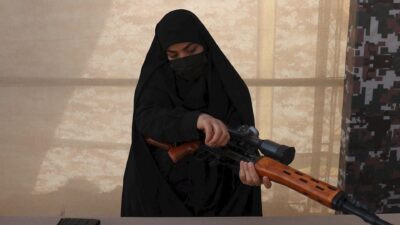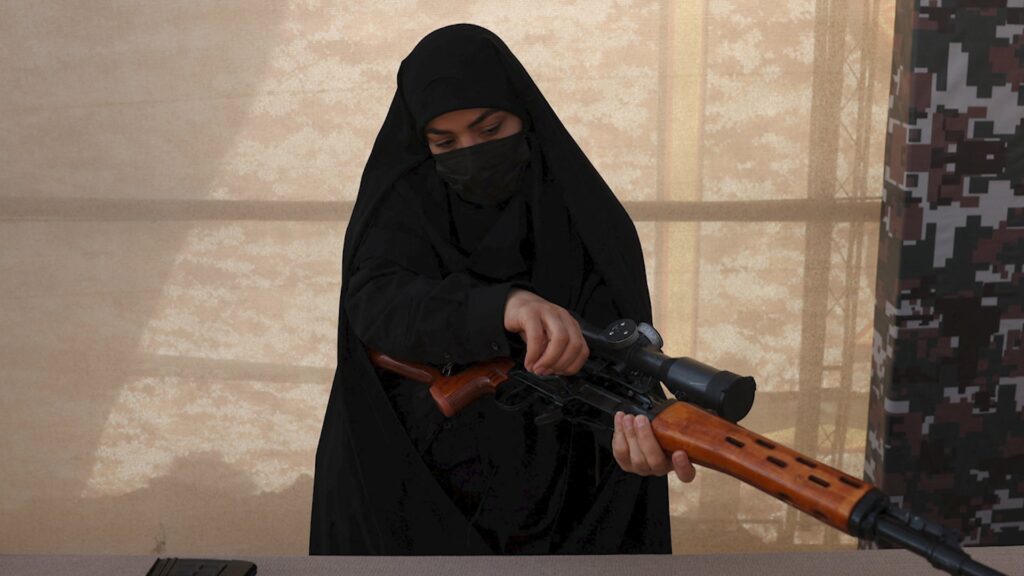
Iran has inaugurated its first all-women military training camp, a significant development reflecting the nation’s growing concerns over potential renewed attacks by the United States. This initiative marks a historic step as Iran prepares its female population for active participation in national defense. The establishment of this camp underscores the increasing militarization in the region and Iran’s strategic efforts to bolster its defense capabilities in the face of escalating geopolitical tensions.
The camp is designed to provide comprehensive military training to women, equipping them with skills ranging from basic combat and tactical operations to advanced military strategy. Officials have highlighted the camp’s role in empowering women while simultaneously enhancing Iran’s defensive readiness.
This move comes amid ongoing strain in US-Iran relations, following years of diplomatic conflicts, economic sanctions, and military confrontations. Iran’s decision to involve women more directly in military preparedness signifies a shift in traditional defense paradigms and showcases a broader mobilization of society towards potential conflict scenarios.
Observers note that the camp’s opening could serve as a deterrent message, demonstrating Iran’s resolve and preparedness to defend itself against external threats. It also signals a potential change in the dynamics of military training and engagement in the Middle East, where female military roles have historically been limited.
Women participating in the program undergo rigorous training regimes tailored to enhance physical endurance, combat readiness, and strategic thinking. The curriculum includes weapon handling, self-defense tactics, survival skills, and leadership development. Iranian defense officials have emphasized the inclusivity and significance of female participation in safeguarding national sovereignty.
The Iranian government plans to expand this program, potentially introducing similar training camps across different provinces to widen recruitment and improve military capacity. The initiative aligns with Iran’s broader security objectives amid rising concerns about regional conflicts and foreign interventions.
Critics and analysts view the development with mixed reactions. Some see it as a bold step towards gender equality in the military sphere, providing women with opportunities to contribute directly to national security. Others raise concerns about the escalating militarization in the region and the possible implications for peace and stability.
The emergence of this training camp is part of Iran’s broader strategy to strengthen internal resilience while sending clear signals to international adversaries. By mobilizing a previously underrepresented demographic, Iran may be aiming to enhance the unpredictability and depth of its defensive forces.
This advancement also reflects changing social dynamics within Iran, where women’s roles in society and politics have been increasingly contested and evolving. The camp represents both a pragmatic military decision and a symbolic gesture affirming women’s potential roles beyond traditional boundaries.
In conclusion, Iran’s creation of an all-women military training camp is a landmark development shaped by geopolitical anxieties and domestic strategic considerations. It highlights the intersection of gender, security, and national identity in a region marked by longstanding conflict and uncertainty. As tensions persist, this initiative may influence future military and social policies both within Iran and across the Middle East.