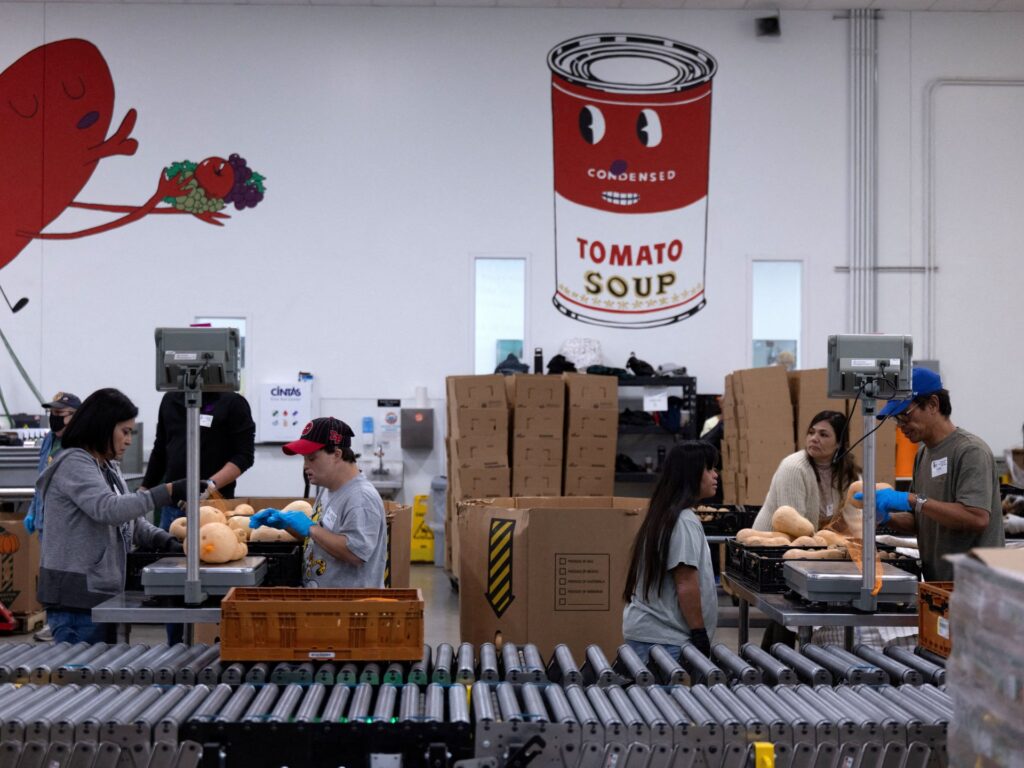
The Trump administration has recently put forward a proposal to reduce food aid programs that serve over six million people across the United States. This initiative builds upon previous cuts to federal food assistance programs, which currently support more than 36 million low-income Americans. The proposed reduction has raised concerns among advocacy groups and policy experts about the potential impact on vulnerable populations.
Food aid in the United States primarily comes through the Supplemental Nutrition Assistance Program (SNAP), which is designed to help low-income individuals and families afford nutritious food. Since its inception, SNAP has been a critical safety net, especially for children, the elderly, and people experiencing economic hardships.
Under the current administration, there has been a documented trend of rolling back funding and tightening eligibility requirements for SNAP. The latest cuts aim to reduce access and benefits for millions, a move cited as a cost-saving measure but widely criticized for potentially increasing hunger and food insecurity among disadvantaged groups.
Critics argue that cutting food aid contradicts the government’s responsibility to protect its most vulnerable citizens. They highlight that the pandemic and economic downturn have exacerbated food insecurity, making aid programs more essential than ever.
Supporters of the cuts claim that tightening food aid programs will encourage self-reliance and reduce dependency on federal assistance. However, numerous studies suggest that SNAP not only reduces food insecurity but also stimulates local economies by increasing purchasing power.
The reduction in food aid could affect diverse groups, including working families, children who rely on school meal programs, people with disabilities, and seniors on fixed incomes. With inflated food prices and ongoing economic challenges, these cuts could lead to increased health problems associated with poor nutrition.
The proposal has sparked a nationwide debate involving lawmakers, activists, and concerned citizens. Many advocates are calling for preserving and strengthening food aid rather than scaling it back, emphasizing that adequate nutrition is foundational to health, education outcomes, and economic stability.
As the proposal moves through legislative processes, stakeholders are urging policymakers to consider the broader implications of cutting essential benefits and to prioritize investments in programs that combat hunger and poverty.
The coming months will be crucial in determining the future scope and scale of food aid in the United States. The Trump administration’s plans mark a significant shift in federal food policy, with long-term effects that could resonate across millions of American households.