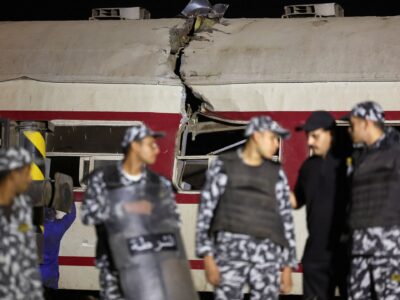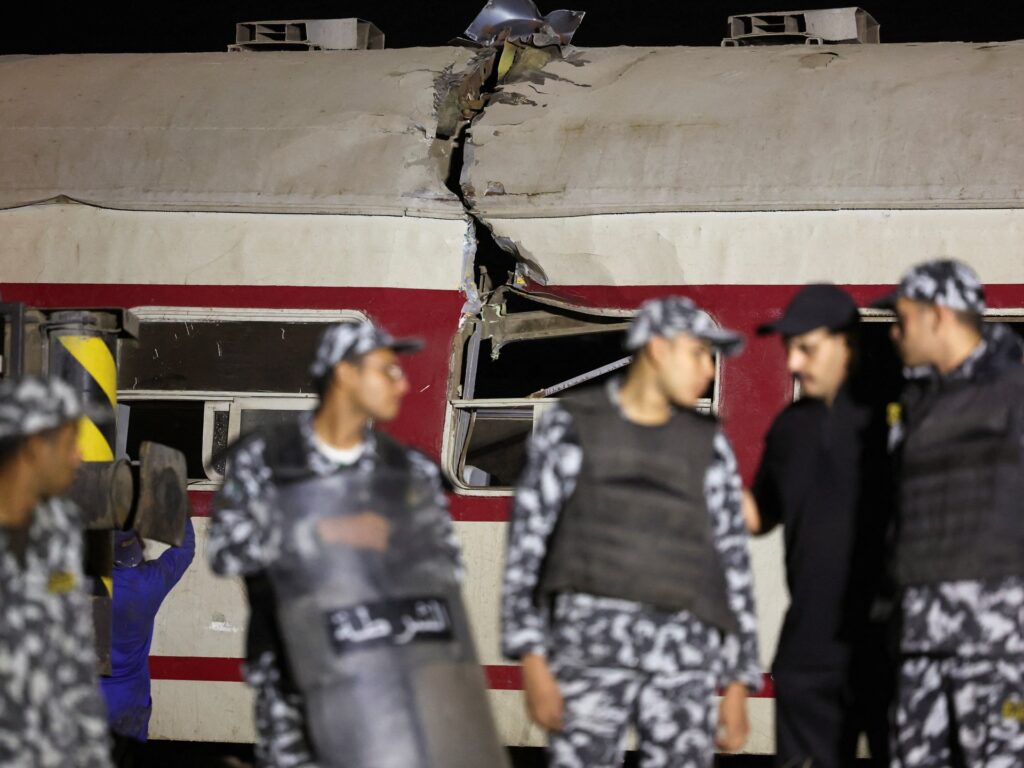
A catastrophic train collision in Egypt’s town of al-Ayyat has resulted in significant loss of life and injuries, prompting urgent calls for political accountability and comprehensive reviews of the country’s railway infrastructure. The incident has starkly highlighted longstanding concerns over the safety standards and maintenance of Egypt’s rail network, intensifying public outcry for governmental action.
The collision occurred when two trains collided in the vicinity of al-Ayyat, a locality situated along one of Egypt’s vital railway corridors. Initial reports indicate that the disaster caused numerous fatalities and left many passengers injured, overwhelming local emergency services and hospitals. Eyewitness accounts and footage from the scene reveal chaotic and tragic circumstances, underscoring the severity of the crash.
In the wake of the tragedy, government officials and opposition figures alike have faced mounting pressure from citizens demanding transparency and responsibility. Many voices have castigated the railway authorities and political leaders, alleging negligence, insufficient investment, and poor management of the railway sector, which has historically been plagued with delays and accidents.
The train crash has reignited debates about the urgent need for extensive rail infrastructure upgrades in Egypt. Experts stress that many parts of the railway system suffer from outdated equipment, insufficient safety mechanisms, and inadequate staff training. These factors, they argue, contribute significantly to accidents and inefficiencies.
Government responses have included promises to conduct thorough investigations into the crash, with pledges to improve maintenance protocols and accelerate the modernization of rail lines and signals. However, skepticism remains among sections of the public and analysts, who emphasize the importance of sustained oversight, not just reactive measures following disasters.
The incident also draws attention to broader systemic challenges within Egypt’s transportation networks, including the need for integrated safety policies, enhanced regulatory frameworks, and increased funding for technological advancements.
Civil society groups and families affected by the crash have organized demonstrations and calls for compensation and reforms to prevent future tragedies. The emotional impact on communities continues to be profound, with many mourning the loss of loved ones and fearing for their safety while using public transportation.
As investigations proceed, officials have urged calm and stressed their commitment to accountability and reform. The al-Ayyat train collision serves as a grim reminder of the critical importance of infrastructural integrity and proactive governance in safeguarding citizens.
This tragedy may become a pivotal moment, compelling Egyptian authorities to prioritize railway renovations and safety standards if similar disasters are to be averted in the future. Ensuring the safety of millions of daily rail passengers remains a critical challenge that demands immediate and sustained attention.