Recent Israeli military strikes in Gaza have resulted in the deaths of six Palestinians, including a father and his young child. These attacks mark a continuation of escalating violence in the region, exacerbating an already dire humanitarian situation.
According to Gaza’s Health Ministry, which closely monitors casualties in the enclave, the toll from Israeli operations has surpassed 1,600 fatalities since the ceasefire agreement was signed last year. Despite temporary lulls and international calls for peace, the conflict remains deadly and volatile.
The father and child were among the innocents caught in the strikes, highlighting the tragic civilian cost amid military maneuvers. The Gaza Strip, a densely populated area home to nearly two million people, has been a focal point of Israeli-Palestinian hostilities for decades.
Israel cites security concerns and the need to counter militant activities as the rationale for its attacks in Gaza. Meanwhile, Palestinian officials and international observers condemn the strikes as disproportionate and harmful to civilian populations.
The repeated violence further complicates efforts to foster peace and stability in the region. Human rights organizations have called for an immediate end to hostilities and greater humanitarian access to support those affected by the conflict.
Since the ceasefire, the fragile calm has been punctuated by sporadic outbreaks of violence, with both sides accusing each other of violations. The rising death toll underscores the urgency of renewed diplomatic engagement.
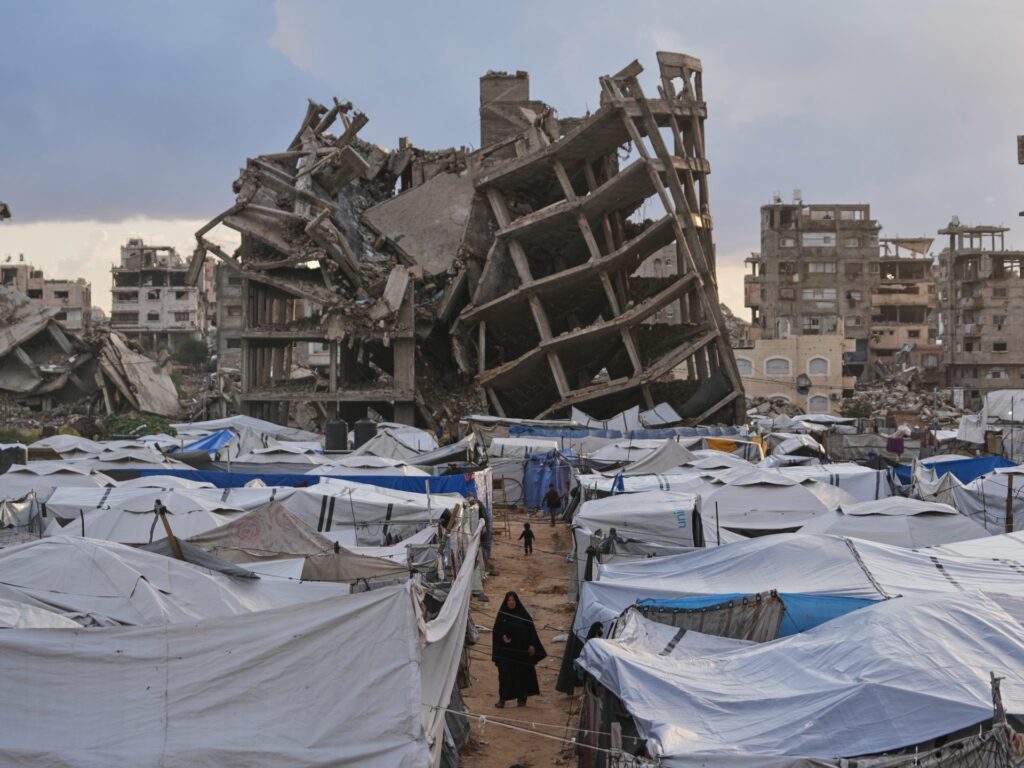
The loss of life, especially among vulnerable groups such as children, sparks outrage and sorrow across the globe. Families are left grieving amidst devastated neighborhoods, struggling with the aftermath of destruction and trauma.
Healthcare facilities in Gaza are overwhelmed, facing shortages of essential supplies and personnel. The blockade and restrictions on movement have hindered the delivery of aid, complicating relief efforts.
International bodies including the United Nations have repeatedly appealed for restraint and dialogue. They stress the importance of protecting civilians and pursuing lasting solutions that address the root causes of conflict.
Israel maintains that its operations target militant infrastructure and prevent attacks against its citizens. However, the human cost reported by the Health Ministry ignites debate about the proportionality and conduct of military actions.
The situation has prompted calls for accountability and investigations into potential violations of international law. Advocacy groups emphasize the need for justice for victims and mechanisms to prevent further casualties.
Public opinion in the region remains sharply divided, with ongoing hostilities fueling animosity and mistrust. Efforts at peacemaking are hindered by entrenched political and ideological disputes.
Despite these challenges, peace activists and civil society continue to advocate for reconciliation, dialogue, and cooperation to end the cycle of violence.
The international community faces the continuous challenge of balancing diplomatic pressures, humanitarian needs, and security concerns in addressing the Gaza conflict.
In summary, the recent deaths of six Palestinians, including a father and child, amid Israeli attacks highlight the grave human consequences of ongoing strife in Gaza. The rising casualty numbers since last year’s ceasefire stress the urgent need for renewed efforts toward peace, protection of civilians, and the restoration of stability in the region.