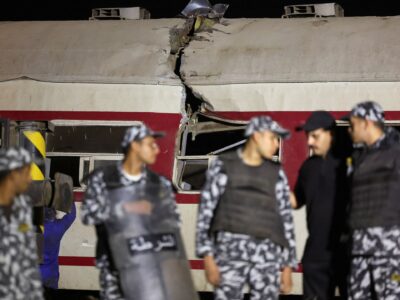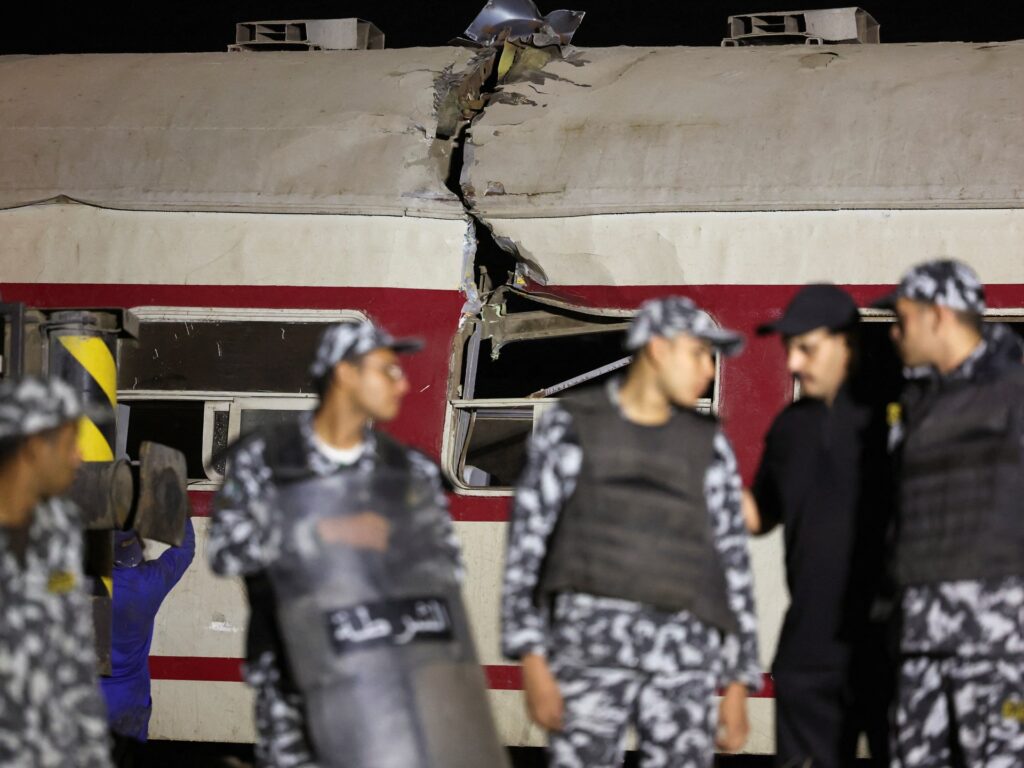
A tragic train collision near al-Ayyat, Egypt, has resulted in significant loss of life and injuries, sparking nationwide calls for political accountability and urgent reforms in the country’s railway infrastructure. The accident has reignited public outrage over the state of Egypt’s aging rail network, which has been plagued by accidents over the years.
The collision, which occurred during peak travel hours, involved two passenger trains. Preliminary reports suggest that human error and inadequate safety measures may have contributed to the disaster. Rescue teams rushed to the scene, working around the clock to assist the injured and recover victims.
Egyptian officials have expressed condolences and promised thorough investigations. However, critics argue that deeper issues such as systemic neglect, corruption, and underinvestment in railways must be addressed to prevent future tragedies.
Political leaders and opposition figures have demanded accountability from those responsible for rail safety oversight. Calls are growing for the resignation of transportation officials and a comprehensive review of railway policies. Citizens have also taken to social media and street protests to voice their frustration.
The government faces increasing pressure to allocate funds for upgrading railway infrastructure, including modernizing signaling systems, improving track maintenance, and enhancing training for operators.
This incident is one of the deadliest rail accidents in recent Egyptian history, highlighting the urgent need for reforms to ensure passenger safety. Stakeholders emphasize that transparent and effective governance is crucial in restoring public trust and preventing similar disasters in the future.
International rail safety experts have been invited to assist with assessment and recommendations. There are hopes that with swift action and political will, Egypt’s rail system can be transformed into a safer and more reliable means of transportation for millions of commuters across the country.