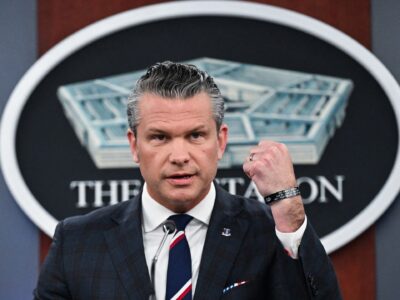
The impeachment proceedings against Michael Hegseth have stirred significant attention in political circles, with eight articles brought forward by a Republican lawmaker accusing the Pentagon chief of engaging in unlawful wars against Iran and Venezuela. This article explores the nature of these accusations, the legal framework underpinning them, and the prospects of Hegseth’s removal from office.
Michael Hegseth, serving as the Pentagon chief, faces serious allegations that could reshape the discourse surrounding military engagements and executive accountability. The eight articles of impeachment primarily focus on claims that Hegseth authorized or waged military actions in Iran and Venezuela without proper authorization, potentially violating both domestic law and international norms.
These accusations assert that the Pentagon chief exceeded his legal authority by initiating or continuing military operations absent explicit congressional approval. Under the United States Constitution, the power to declare war resides with Congress, while the executive branch has the role of commander-in-chief. The balance and limits of these powers frequently become contentious, especially in cases involving covert or undeclared military operations.
The impeachment articles accuse Hegseth of undermining this constitutional framework by conducting or supporting clandestine strikes or military maneuvers against Iran and Venezuela. Such actions, if confirmed, could be seen as a breach of the War Powers Resolution, which mandates that the President notify Congress within 48 hours of deploying armed forces and limits military engagement without congressional consent to 60 days.
Supporters of the impeachment argue that Hegseth’s alleged unilateral military actions put the United States at risk of unnecessary conflicts and possibly endangering lives without legislative oversight or public debate. They contend that the impeachment is necessary to uphold the rule of law and reinforce congressional authority over war powers.
On the other hand, defenders of Hegseth claim that these actions were justified under national security prerogatives and were responses to imminent threats posed by hostile regimes. They argue that the complexities of modern warfare and intelligence requirements necessitate a degree of executive flexibility, especially when swift responses are essential.
Legal scholars note that while impeachment is primarily a political process rather than a judicial one, removal from office requires a simple majority in the House of Representatives to impeach and a two-thirds majority in the Senate to convict and remove. Given the political composition of Congress and differing views on military authority, the outcome remains uncertain.
Historically, military leaders and executive officials have faced impeachment inquiries under similar charges, but successful removal is rare. The debate surrounding Hegseth’s case highlights ongoing tensions between branches of government concerning the scope of military engagement and constitutional checks and balances.
If removed, it would set a precedent impacting future military and executive decision-making, emphasizing legislative oversight and potentially curbing unilateral military actions. Conversely, failure to remove Hegseth might embolden executive agencies to pursue more independent military strategies.
In conclusion, the impeachment of Michael Hegseth over allegations of unlawful wars against Iran and Venezuela taps into deep constitutional questions about war powers and accountability. The resolution of this case will not only affect Hegseth’s career but could also influence how the United States conducts foreign military policy and navigates the balance between rapid response and democratic oversight.