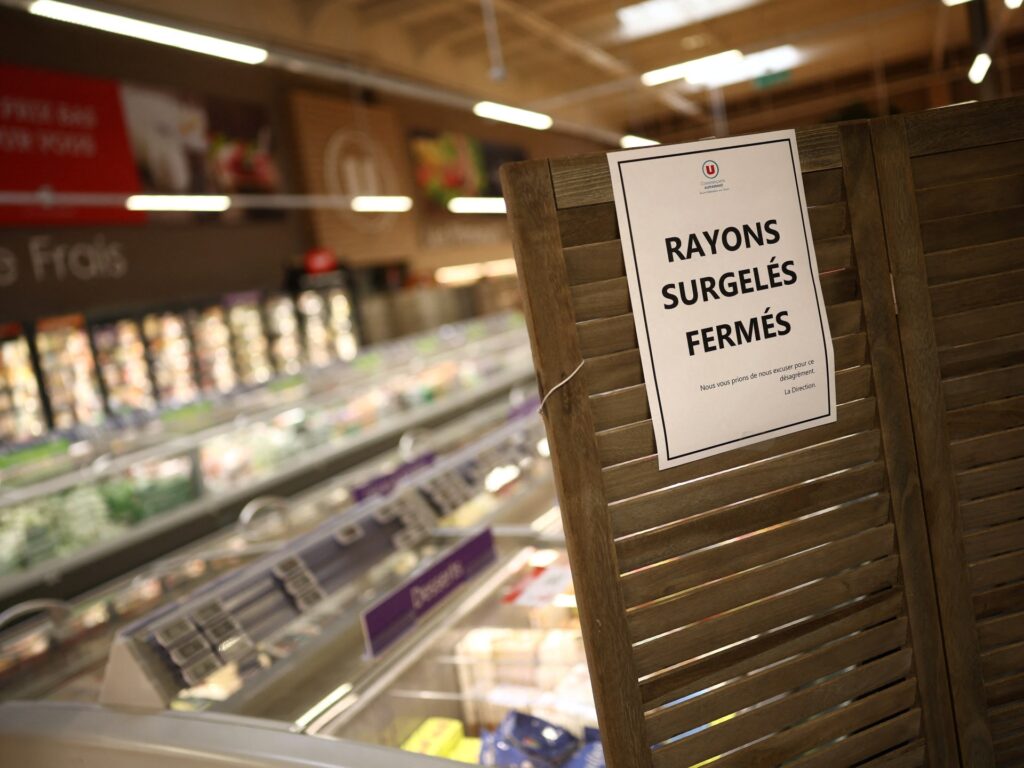
France has taken the significant diplomatic step of summoning Iran’s ambassador following an alleged act of sabotage involving a supermarket fridge, which French authorities believe to be linked to a cyberattack originating from Iran. This incident has sparked concerns across Europe about the vulnerabilities of critical infrastructure to malicious cyber activities.
The French government condemned the attack, emphasizing that such acts not only disrupt daily life but also pose serious threats to national security and public safety. Officials noted that the incident appeared to be a deliberate attempt to sabotage commercial operations, potentially causing economic damage and undermining consumer trust.
In response, France announced it is actively pursuing stronger sanctions aimed at deterring further cyberattacks across Europe. These measures are intended to send a clear message that cyber sabotage will have severe consequences and that European nations are united in protecting their digital and physical infrastructure.
European cybersecurity experts have underlined the growing trend of cyberattacks targeting critical infrastructure, including food supply chains, energy networks, and public utilities. They warn that such attacks could escalate in frequency and sophistication if not met with coordinated defensive measures.
French officials highlighted that the decision to summon Iran’s ambassador was a diplomatic move to hold Iran accountable and to seek explanations for the alleged attack. It came after preliminary investigations linked the cyber operation to Iranian-sponsored groups targeting European interests.
The incident has reignited debates within the European Union concerning the adequacy of current cybersecurity frameworks and the need for collective action to enhance cyber resilience. There are calls for the EU to adopt more stringent policies and rapid response mechanisms to combat cyber threats effectively.
Analysts suggest that this controversy could further strain France-Iran relations, which have been tense due to broader geopolitical disagreements, including issues surrounding nuclear development and regional conflicts. The latest incident reflects the expanding frontiers of international conflict into cyberspace.
France’s move also serves as a warning to other states and non-state actors that Europe is vigilant and prepared to respond decisively to cyber incursions. Authorities stressed the importance of collaboration between governments, private sector entities, and cybersecurity organizations in fortifying defenses.
Consumers have been advised to remain vigilant regarding the security and reliability of essential services. Meanwhile, supermarkets and related businesses are urged to review their cybersecurity protocols and invest in robust protective technologies.
The French government’s initiative to push for tougher sanctions aligns with a broader European strategy to enhance digital sovereignty and safeguard critical infrastructure from hostile cyber activities, reaffirming Europe’s commitment to a secure and stable digital environment. This incident, involving supermarket refrigeration sabotage, highlights the increasingly complex and hazardous nature of modern cyber warfare influencing everyday life.
Moving forward, France and its European partners are expected to intensify efforts in intelligence sharing, law enforcement cooperation, and legislative upgrades to prevent similar incidents. The situation remains closely monitored as diplomatic discussions continue, and policymakers weigh enhanced sanctions aimed at deterring further cyber aggression by Iran or other potential adversaries.
This case underscores the urgent need for comprehensive cyber defense strategies in an interconnected world where cyberattacks can have tangible impacts on public safety, economic stability, and international relations.