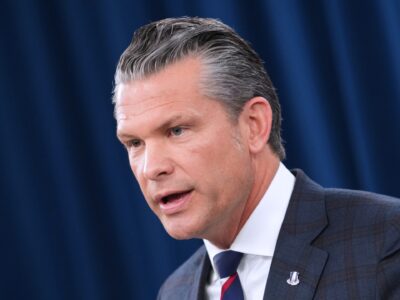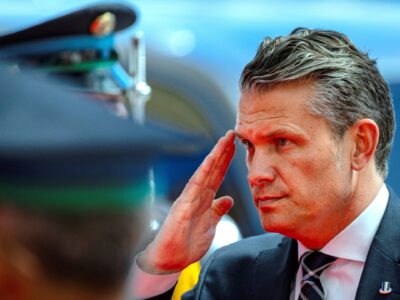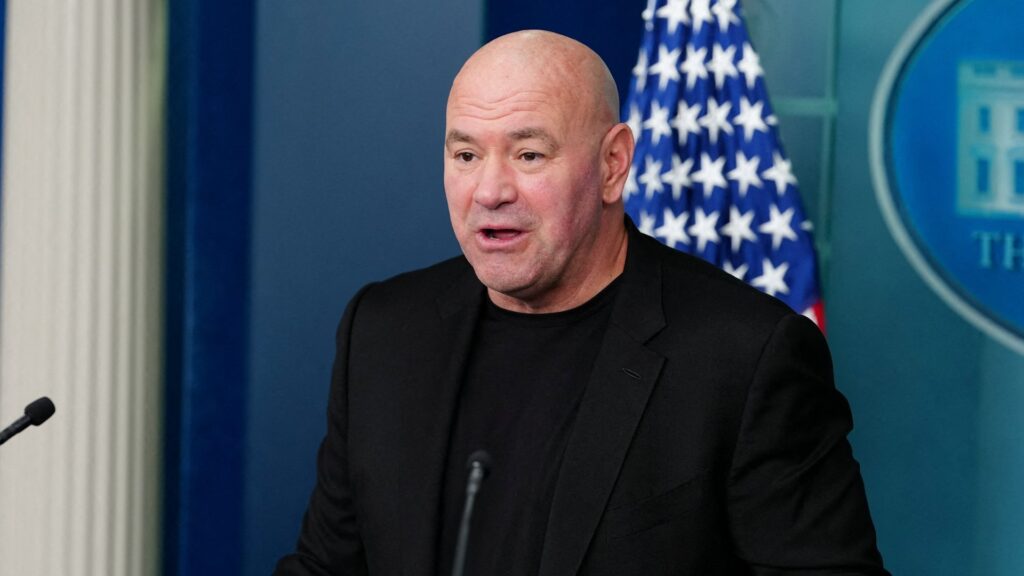
In a notable event that captivated the sports and political worlds alike, UFC CEO Dana White stepped up to the White House podium during his recent visit to Washington, D.C. The visit was highlighted by a high-profile meeting with U.S. President Donald Trump, underscoring the growing intersection between sports leadership and political engagement.
Dana White, known widely for his pivotal role in transforming the Ultimate Fighting Championship into a global sports phenomenon, took the opportunity to address questions from the media at the iconic White House. His appearance at this prestigious venue marked a significant moment, reflecting the increasing recognition of mixed martial arts as a major sport in America and the influence of its top executives.
During the press interaction, White discussed a range of topics, from the growth of the UFC to his perspectives on the sport’s future. He expressed enthusiasm about the potential for continued expansion and innovation within the UFC, highlighting the organization’s commitment to fighter safety and fan engagement.
Moreover, White’s visit to the White House was emblematic of a broader relationship developing between sports figures and political leaders. The meeting with President Trump served not only to celebrate the UFC’s successes but also to explore ways in which sports can contribute to national dialogues, including youth development and community engagement initiatives.
Observers noted that Dana White’s direct and candid style during the media briefing resonated well with those present, emphasizing transparency and vision for the sport. His remarks conveyed a sense of optimism and determination to elevate MMA to new heights.
The White House setting provided a backdrop that highlighted the cultural significance of sporting figures in American society, with White positioned as a leading figure in the sports industry. His engagement with political leaders underscores a trend whereby sports and government increasingly collaborate on issues ranging from health and wellness to national identity.
This visit also sparked conversations around the role of combat sports in promoting discipline, resilience, and inclusivity, with White advocating for the positive impact of MMA beyond the octagon. The event was seen as a milestone, enhancing the visibility of the sport and its leadership on a national platform.
In summary, Dana White’s visit to the White House and his subsequent appearance at the podium during the media briefing represent a landmark moment in the convergence of sports and politics. It highlights the rising prominence of UFC in the American sports landscape and signals new opportunities for dialogue and cooperation between these spheres.
As the UFC continues to grow under White’s leadership, this Washington trip may well mark the beginning of increased engagement between mixed martial arts and national policy discussions, fostering greater support and recognition for the sport and its athletes.