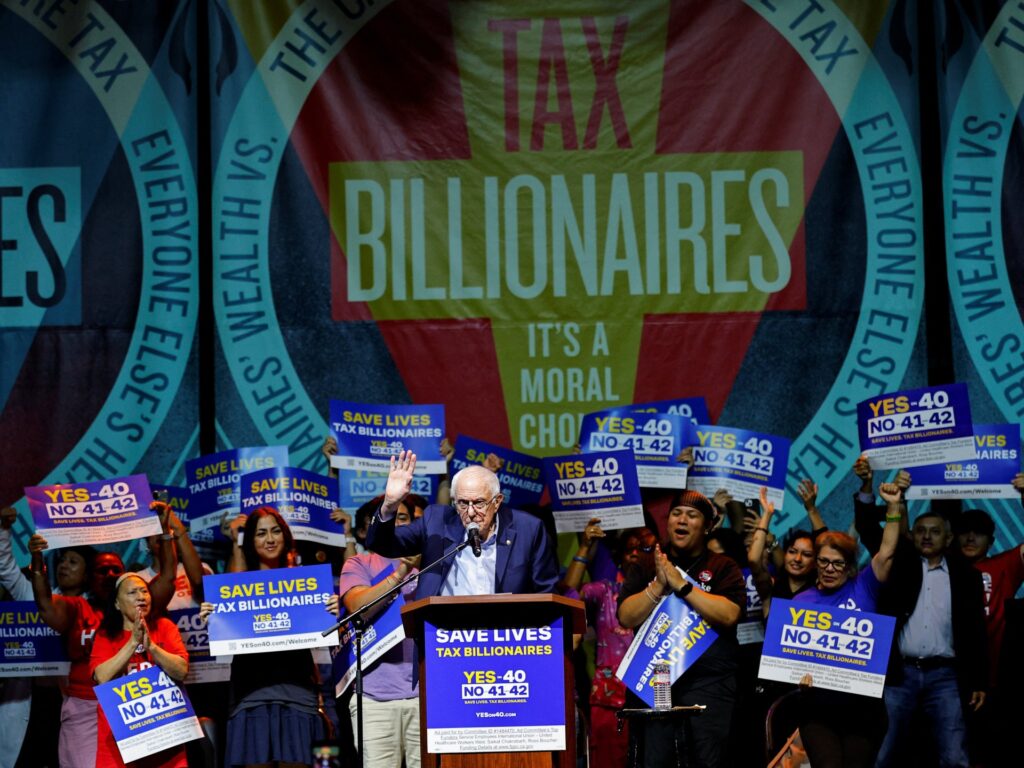
In a recent decision, California voters have rejected a proposed tax measure aimed at imposing a one-time 5 percent tax on billionaires residing in the state. The initiative was designed to generate significant revenue to fund healthcare programs. Despite the proposal’s intention to address healthcare funding challenges, the measure failed to secure enough support during the voting process.
The tax would have targeted billionaires — individuals with a net worth exceeding one billion dollars — by levying a single 5 percent tax on their wealth. Supporters of the measure argued that this tax would have provided critical financial resources to enhance the state’s healthcare system, potentially expanding access and improving services for millions of residents.
Opponents, however, raised concerns about the economic impact of such a tax, suggesting it could discourage investment within the state or lead to wealthy individuals relocating to other states with lower tax burdens. Critics also debated the effectiveness of a one-time tax compared to more sustained revenue measures.
Public opinion was split on the issue, reflecting broader national debates on wealth taxes and funding for public services. The rejection of the measure indicates the complexities involved in balancing tax policy, economic growth, and social welfare.
California’s government will now need to explore alternative methods to support healthcare funding. The defeat of the billionaire tax measure underscores the challenges of implementing wealth-based taxes in politically and economically diverse states.
The outcome also signals to policymakers the necessity of building broad coalitions and finding balanced solutions that can garner enough support from voters across different economic spectrums. As debates on tax policies continue, the lessons from California’s vote may influence future proposals both within the state and across the nation.