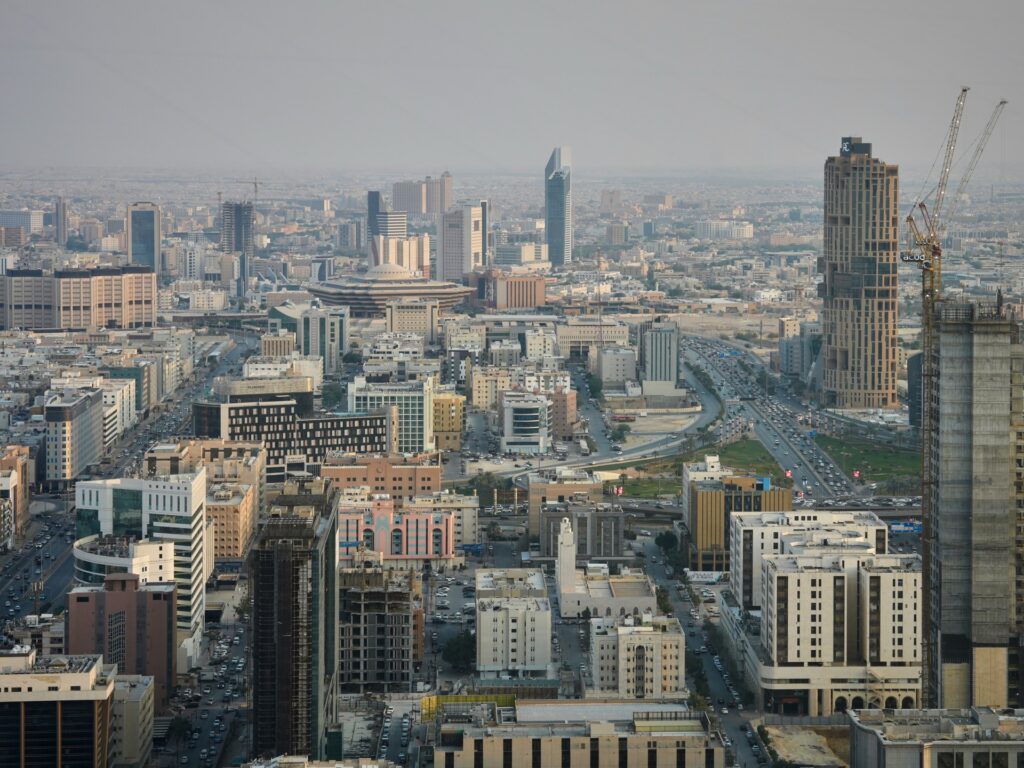
In a dramatic escalation of regional tensions, Saudi Arabia successfully intercepted two missiles launched towards its capital, Riyadh. The missile strikes followed shortly after the Saudi authorities reported damage to a crucial East-West pipeline, a vital artery for the country’s oil infrastructure. The missile attack was attributed to the Houthi movement, which has been engaged in ongoing conflicts with Saudi Arabia. The Saudi defense forces demonstrated swift and effective response capabilities by neutralizing the incoming threats and preventing potential casualties and extensive damage in the heart of the kingdom.
The East-West pipeline serves as a key route transporting oil across Saudi Arabia, making it a strategic target in the conflict. Earlier in the day, reports confirmed that the pipeline had sustained damage following an assault suspected to have been orchestrated by Houthi militants, further aggravating the volatile security situation in the region. The attack on the pipeline is likely intended to disrupt Saudi Arabia’s energy supply and economic stability.
Saudi officials condemned the missile attack on Riyadh, emphasizing it as a dangerous escalation that threatens the safety of civilians and undermines regional stability. The defense ministry issued a statement reiterating the kingdom’s commitment to defend its territory and maintain security amidst ongoing hostilities. Analysts suggest that the Houthi’s use of missile strikes indicates their capacity to target critical infrastructure and urban centers, marking a continuation of asymmetric warfare tactics.
The interception of the missiles underscores Saudi Arabia’s investment in advanced missile defense systems designed to protect key urban areas and vital installations. This incident will likely prompt heightened security measures around critical infrastructure and increased vigilance along the kingdom’s borders. International observers and allies have expressed concern over the rising hostilities and called for restraint and diplomatic efforts to de-escalate the conflict.
This latest confrontation highlights the broader geopolitical struggles in the region, where the Saudi-led coalition faces persistent threats from armed groups allied with Iran. The damage to the pipeline and the missile attack on Riyadh may signal an intensification of conflict dynamics, with potential repercussions for global oil markets and regional security architecture.
In conclusion, Saudi Arabia’s successful interception of missiles aimed at its capital, alongside ongoing attacks on energy infrastructure, reflects the deepening crisis in the Middle East. The kingdom remains on high alert, focusing on safeguarding its population and critical resources amidst an uncertain and volatile security environment. The developments call for renewed international attention toward achieving a sustainable resolution to the enduring conflicts impacting Saudi Arabia and its neighbors.