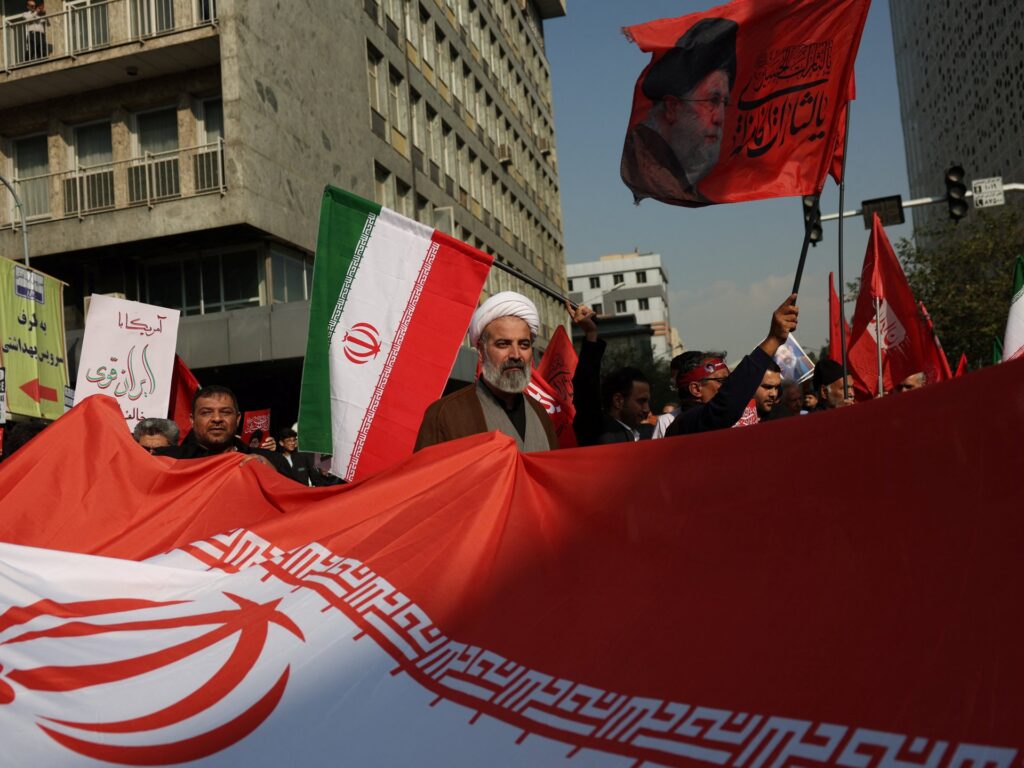
In a recent statement, Iran’s Supreme Leader Ayatollah Ali Khamenei emphatically declared that hostility from the United States toward Iran will continue regardless of the outcomes of the upcoming US midterm elections. This pronouncement underscores the longstanding tensions between the two countries, which have been exacerbated by years of sanctions, diplomatic stalemates, and conflicting interests in the Middle East.
Khamenei’s comments were delivered during a high-profile address broadcast to Iranian officials and the public, where he highlighted that the root causes of hostility transcend political changes in the US government. “No matter who wins or loses in the American midterms, their enmity towards Iran remains constant,” he asserted.
The US midterm elections, typically held in November, often bring shifts in Congressional power that can influence foreign policy. However, Khamenei’s statement suggests that Iran views these political dynamics as irrelevant to the fundamental adversarial stance held by Washington.
This declaration arrives amid ongoing concerns over Iran’s nuclear ambitions and US efforts to curb them through sanctions and international diplomacy. The Supreme Leader emphasized the need for resistance and self-reliance within Iran, encouraging unity against what he labeled as continuous external threats.
The US has maintained a hardline policy against Iran, especially following the 2018 withdrawal from the Joint Comprehensive Plan of Action (JCPOA), commonly known as the Iran nuclear deal. This move led to the reinstatement of stringent economic sanctions and a marked escalation in diplomatic hostility.
Analysts suggest that Khamenei’s remarks aim to rally domestic support and reinforce Iran’s posture on the international stage. The message also serves as a warning to US policymakers that any change in administration or Congressional makeup will not lead to a thaw in relations without substantive policy shifts from Washington.
In Tehran, government officials reiterated their commitment to advancing Iran’s strategic interests despite external pressures, while criticizing US policies as unfair and aggressive.
International observers remain watchful of tensions in the region, as the Iran-US relationship deeply influences geopolitical stability, particularly in the volatile Middle East. Conflict risks persist, compounded by proxy conflicts, economic sanctions, and mutual distrust.
In conclusion, Ayatollah Khamenei’s declaration signals that Iran is bracing for continued hostility from the United States regardless of the political outcomes in America. This reality solidifies the prolonged state of friction and highlights the complexities of achieving diplomatic breakthroughs between the two nations.