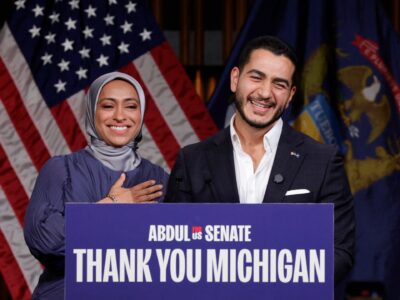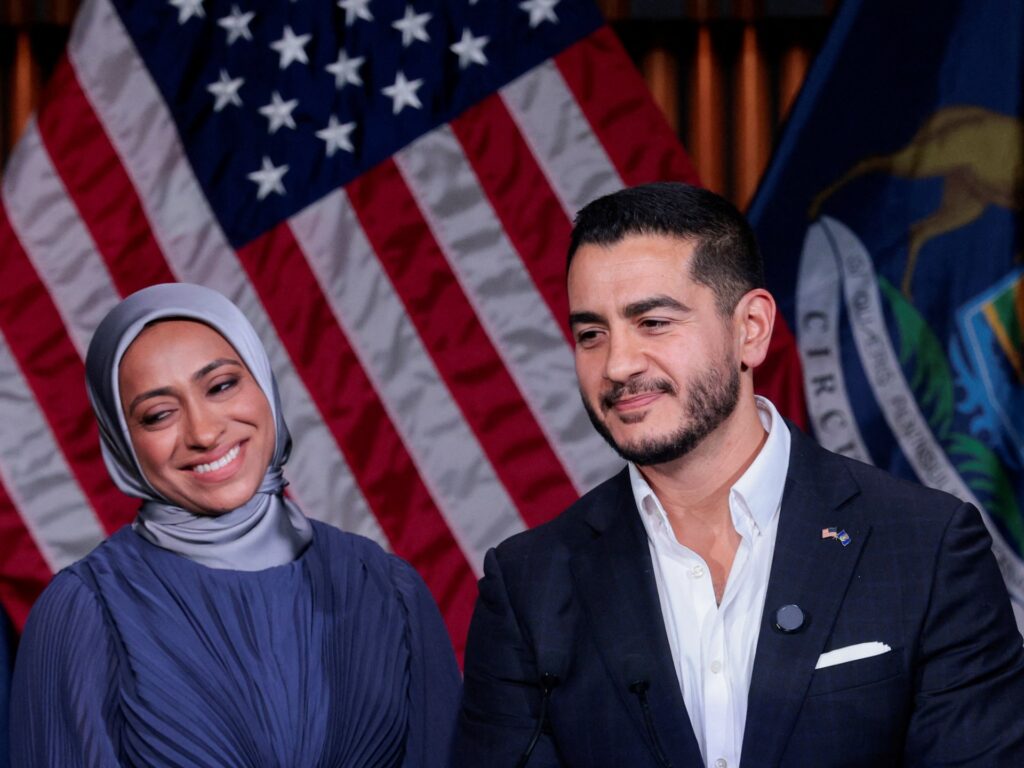
In a significant political upset, Abdul El-Sayed has defeated Mike Rogers to secure the US Senate seat from Michigan. This victory is notable not only for the fierce competition but also for the challenging circumstances surrounding El-Sayed’s campaign.
El-Sayed, a Democrat, faced a series of Islamophobic attacks directed at him by prominent Republican figures during the race. Despite the hostile political climate and the personal nature of these attacks, El-Sayed maintained a strong and determined campaign, focusing on issues central to Michigan voters.
The end of El-Sayed’s campaign was marked by turbulence, with intense scrutiny and a highly charged political environment. However, his message resonated with a broad spectrum of the electorate, enabling him to overcome not just his opponent, Mike Rogers, but also the broader context of political and social challenges.
This election result reflects a growing acceptance and support for diverse candidates in American politics, signaling a shift towards inclusivity even in the face of adversity. It also underscores the difficulties candidates from minority backgrounds can face, particularly when targeted with discriminatory rhetoric.
El-Sayed’s victory is expected to influence policy and political discussions in Michigan and potentially across the nation, as he brings a fresh perspective to the Senate. His campaign highlighted issues such as healthcare, economic opportunity, and social justice, which are anticipated to be central to his agenda in Washington.
The electoral success of Abdul El-Sayed marks an important moment for the Democratic Party in Michigan, reinforcing their presence and competitiveness in a state that plays a crucial role in national politics. Meanwhile, Mike Rogers’ loss is seen as a setback for Republicans trying to maintain their hold in the region.
Political analysts are closely watching how El-Sayed’s tenure in the Senate will unfold, particularly given his unique background and the challenges he overcame to achieve this position. There is a growing expectation that his work will focus on addressing the needs of underrepresented communities and pushing forward progressive policies.
This election is also a reminder of the persistent challenges of Islamophobia and other forms of prejudice in US politics. The backlash faced by El-Sayed highlights the ongoing need for vigilance and proactive measures to ensure fair and respectful political discourse.
In summary, Abdul El-Sayed’s victory in the Michigan US Senate race is a testament to resilience, diversity, and the evolving landscape of American politics. His success sends a powerful message about the values of inclusion and determination in the face of adversity, offering new hope for voters who seek change and representation.