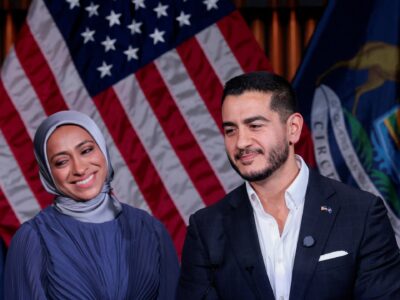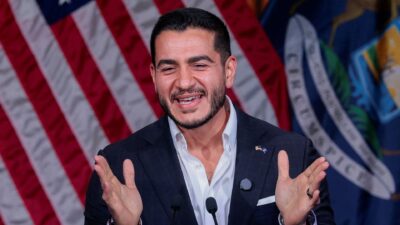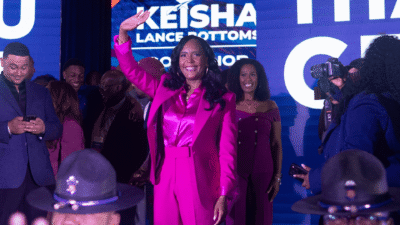
The recent US midterm elections have been groundbreaking in many ways, particularly with regard to representation. While the Democratic Party made significant gains overall, the elections also marked several historic firsts for women and minorities, who achieved unprecedented success and secured major offices across the country.
For decades, the political landscape in the United States has been predominantly occupied by white male candidates. However, the latest midterms are a testament to the ongoing efforts to bring diversity and inclusivity to American politics. This election cycle saw an increased number of women and minority candidates running for and winning key public offices, signaling a shift in the electorate’s priorities and a growing acceptance of leadership that reflects the nation’s diversity.
Among the most notable milestones is the election of the first woman of a particular minority background to serve in a major statewide office. This represents a historic breakthrough, illustrating that barriers are beginning to crumble for underrepresented groups. Additionally, several women candidates from various minority communities secured congressional seats, some for the first time in their districts’ histories.
Moreover, the elections witnessed the rise of young leaders from diverse backgrounds, bringing fresh perspectives to the political scene. These individuals are expected to address issues such as social justice, economic inequality, healthcare, and educational reform with a more inclusive lens.
The significance of these firsts cannot be overstated. They mark a critical step toward equity in political representation and highlight the evolving demographics of the United States. With women and minorities playing larger roles in governance, policy decisions are likely to better reflect the experiences and needs of a broader segment of the population.
Political analysts underscore the impact of grassroots movements and advocacy groups that supported candidates from underrepresented communities. Their efforts helped amplify voices that have historically been marginalized, encouraging voter engagement and turnout in key districts.
This trend is expected to continue in future elections, with more diverse candidates inspired by the successes of this cycle. The breakthroughs achieved during these midterms serve as a beacon for aspiring politicians who seek to break glass ceilings and challenge the status quo.
In summary, the US midterm elections not only reshaped the balance of power but also reshaped the political landscape itself by ushering in a new era of representation. Women and minorities have made historic gains, setting important precedents and inspiring change nationwide. Their victories represent hope for a more inclusive and representative democracy for all Americans.