Tensions between Iran and the United States have escalated following the latest developments surrounding the strategic Strait of Hormuz. Iran has criticized the US response to its recent plan regarding Hormuz as ‘unconvincing.’ Meanwhile, President Donald Trump confirmed that the US military conducted strikes on an Iranian anti-aircraft facility earlier in the week, specifically on Tuesday. The situation continues to unfold amid indirect talks between both countries aimed at addressing ongoing hostilities.
The Strait of Hormuz remains a vital geopolitical chokepoint through which a significant portion of the world’s oil supply passes. Iran’s recent plan, which has elicited various responses from the international community, was intended to assert its control over the area, drawing U.S. and allied scrutiny.
Iran’s characterization of the US reply as insufficient reflects growing frustration over perceived dismissiveness and a lack of substantive engagement by Washington. This skepticism comes as indirect negotiations attempt to defuse the escalating tensions that threaten regional stability.
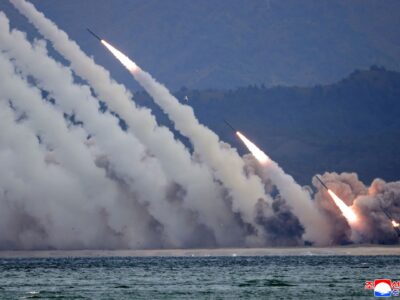
President Trump’s confirmation of the military strike marks a significant escalation in US-Iran relations. The targeted Iranian anti-aircraft site is believed to be part of Iran’s broader military infrastructure in the region. Such strikes underscore the military dimension of the conflict and the US resolve to counter perceived Iranian threats.
The strikes have prompted varied reactions internationally, with concerns mounting over potential retaliation from Iran and the broader implications for peace and security in the Middle East. Regional allies and global powers have urged caution and dialogue to prevent further military confrontation.
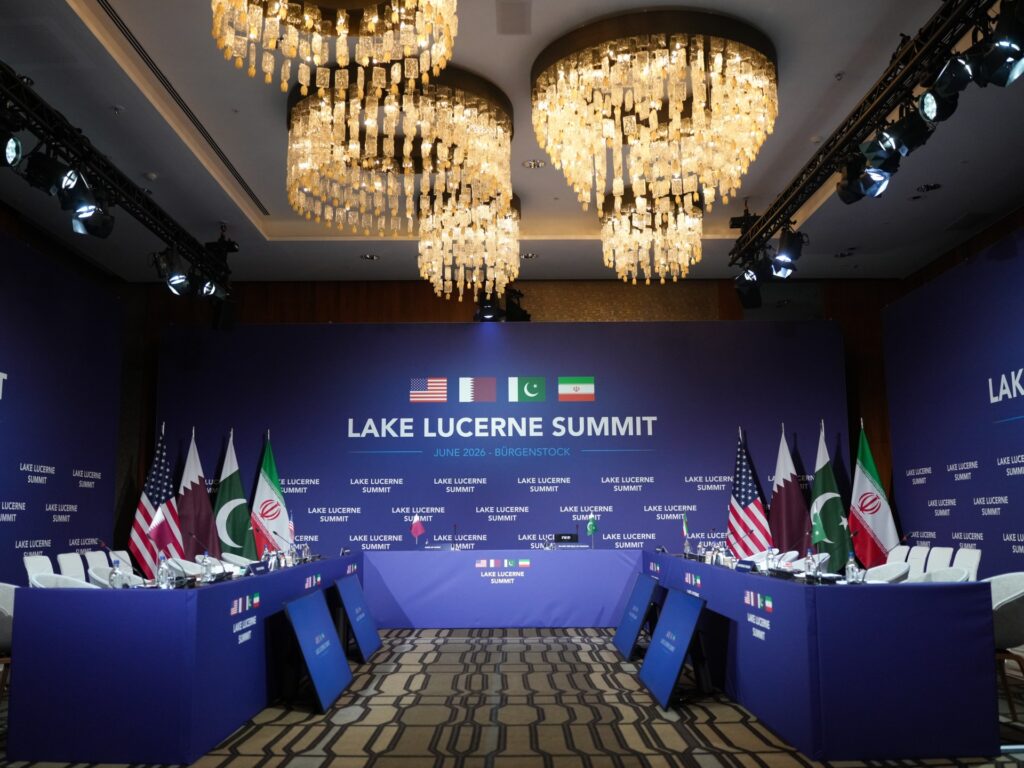
Diplomatic channels remain open albeit indirect, highlighting the complexities involved in direct talks due to deep-seated mistrust and opposing strategic interests. Both sides continue to communicate through intermediaries in hopes of reaching an understanding or compromise.
Experts suggest that the situation at the Strait of Hormuz is a flashpoint that could trigger wider conflict if not managed carefully. Control over the Strait impacts global energy markets and maritime security, making the stakes particularly high.
The US military presence in the region aims to protect shipping lanes and deter aggressive actions perceived from Iran. Conversely, Iran views its actions as defensive measures and expressions of sovereignty over its territorial waters.
International organizations and countries with vested interests in the region’s stability have called for renewed diplomatic efforts and cautioned against further escalation.
The unfolding scenario underscores the fragile balance between confrontation and negotiation in US-Iran relations, with both nations expressing willingness to engage indirectly amid continued military posturing.
As indirect talks proceed, attention remains fixed on how the two powers can bridge their differences over the Hormuz plan and broader security concerns, seeking a peaceful resolution to avoid further conflict.
This incident marks the latest chapter in a prolonged period of geopolitical tension, highlighting the urgent need for sustained dialogue and restraint to safeguard regional and international peace.