The United States midterm elections have delivered significant surprises as results continue to stream in across the nation, with a pivotal focus on the control of Congress. Early returns indicate that Democrats have claimed critical victories in the Senate races in Texas and South Carolina, states traditionally leaning Republican. These wins are a substantial boost for the Democratic Party’s efforts to maintain or expand their influence in the upcoming congressional session.
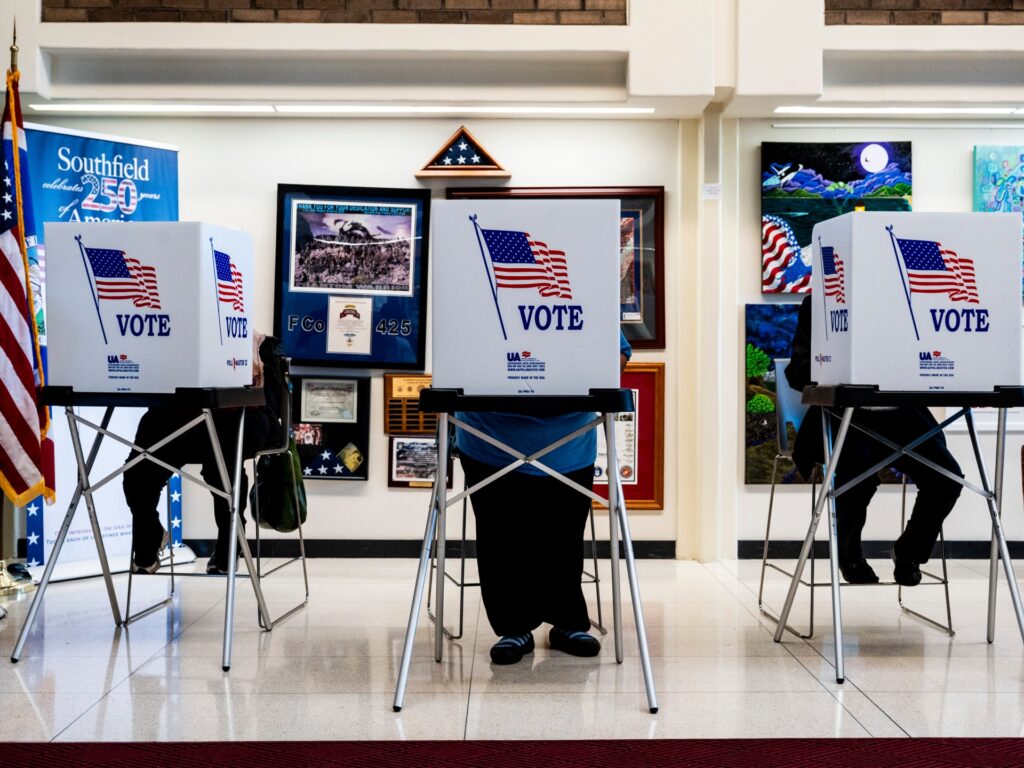
As polls closed nationwide, millions of Americans cast their votes not only for their congressional representatives but also for key state and local offices. Midterm elections traditionally serve as a barometer for public sentiment on the sitting president’s performance and broader national policies. This year, the stakes were particularly high given the closely divided Senate and House of Representatives, where control could pivot on a few decisive seats.
In Texas, a state known for its conservative leanings, the Democratic candidate’s victory signals shifting political dynamics, possibly influenced by demographic changes and mobilization efforts among urban and suburban voters. This breakthrough may alter the strategic landscape for future elections in a state that has long been considered a Republican stronghold.
Similarly, in South Carolina, the Democratic win highlights the competitiveness of Senate races even in southern states where Republicans have typically dominated. Voter turnout played a crucial role, with increased engagement among younger and minority voters helping to drive these outcomes.
Political analysts suggest these victories reflect broader national trends, where issues such as the economy, healthcare, immigration, and voting rights have galvanized diverse voter coalitions. The midterms have also been characterized by intense campaigning, widespread political advertising, and significant grassroots activism.
The control of Congress remains a nail-biting contest. While the Democrats’ Senate gains are promising, the House of Representatives’ results are still unfolding, leaving the overall balance of power uncertain. The final outcomes will have profound implications for legislative agendas, including the president’s ability to pass reforms and influence policy directions.
As the election night progresses, attention is also on other key states with tight races that could tip the scales. Election officials emphasize the importance of counting every vote, including mail-in ballots, to ensure accurate and fair results.
In summary, the US midterm elections are shaping up to be a turning point in American politics, with Democrats making unexpected inroads in Texas and South Carolina Senate races. These results underscore the dynamic and evolving political landscape, reflecting changing voter priorities and the ongoing quest for control over the nation’s legislative future.