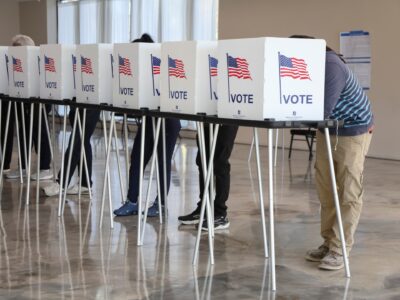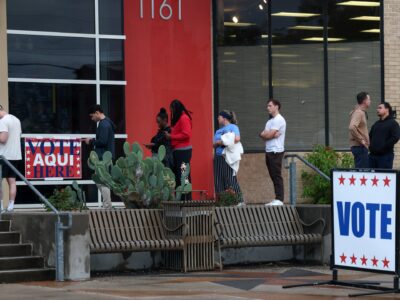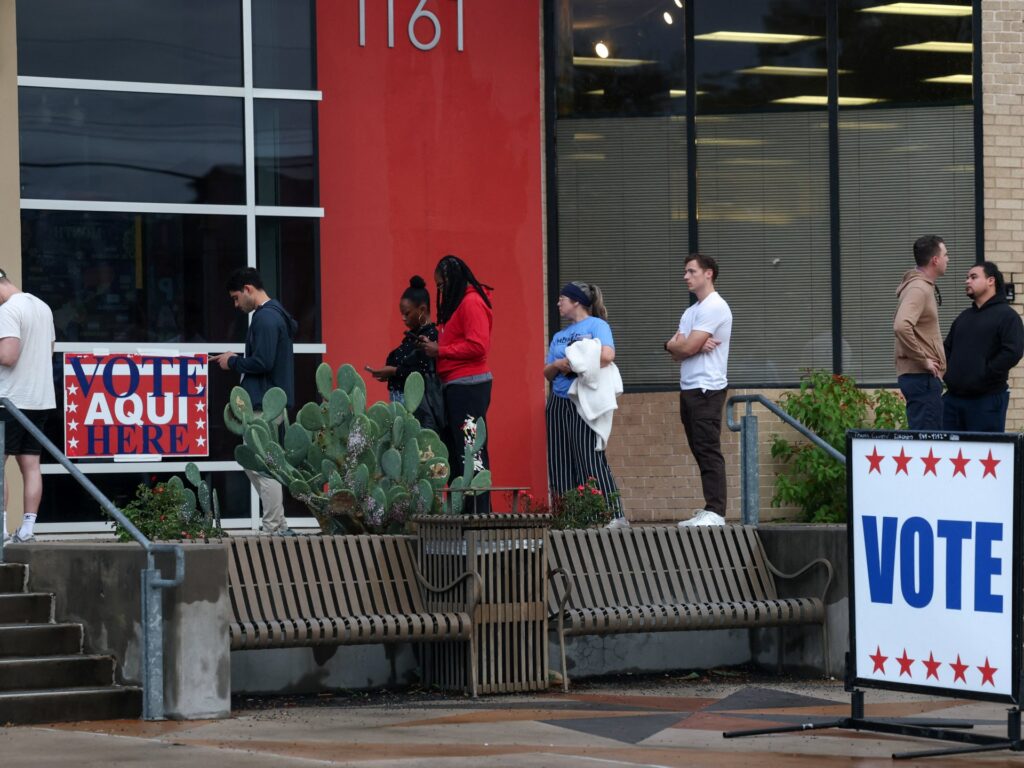
In a historic and fiercely contested election, Texas voters are participating in the most expensive U.S. Senate race ever recorded. The election between incumbent Attorney General Ken Paxton and his challenger, receiver-in-bankruptcy Joseph Talarico, has shattered spending records, with an unprecedented $573.2 million poured into their campaigns.
This staggering sum marks a new high in political spending, reflecting the high stakes of this pivotal race. Political observers and analysts see the Texas Senate race as a national bellwether, drawing attention far beyond state lines given Texas’s significant political weight and its impact on the balance of power in the Senate.
The campaigns have been marked by aggressive advertising, extensive grassroots mobilization, and relentless fundraising efforts. Both Paxton and Talarico have sought to outpace each other in a bid to secure this influential Senate seat.
Ken Paxton, the long-standing incumbent, has leveraged his tenure and experience, campaigning heavily on issues such as law enforcement, economic growth, and conservative values that resonate with a large portion of the Texas electorate. However, he has been embroiled in legal controversies that his opponents argue undermine his suitability for office.
Joseph Talarico, meanwhile, has positioned himself as a reformer and a fresh face eager to bring change to Washington. Emphasizing transparency, accountability, and economic opportunity, Talarico has captivated many voters who are disillusioned with career politicians.
The immense financial input into the race underscores the strategic importance of the seat. Political action committees (PACs), national interest groups, and individual donors have funneled money into the campaigns, highlighting the broader implications this election has on national policy, judicial appointments, and legislative agendas.
As Election Day approaches, voter turnout efforts have intensified, with both campaigns focusing heavily on mobilizing their bases and persuading undecided voters. Early voting records suggest high engagement, a sign that Texans recognize the significance of their vote in shaping the Senate’s future.
The Texas Senate race exemplifies the growing trend of escalating costs in American elections, sparking debates about campaign finance reform and the influence of money in politics. Critics argue that such exorbitant spending undermines democratic principles, while supporters claim it ensures vigorous competition and wider voter outreach.
Ultimately, the outcome of this race will have far-reaching consequences, influencing not only Texas but the entire country. The unprecedented spending and intense competition reflect a deeply polarized political environment and the crucial nature of representation in the U.S. Senate.
As Texans head to the polls, all eyes will be on this landmark election, anticipating a result that could reverberate through American politics for years to come.