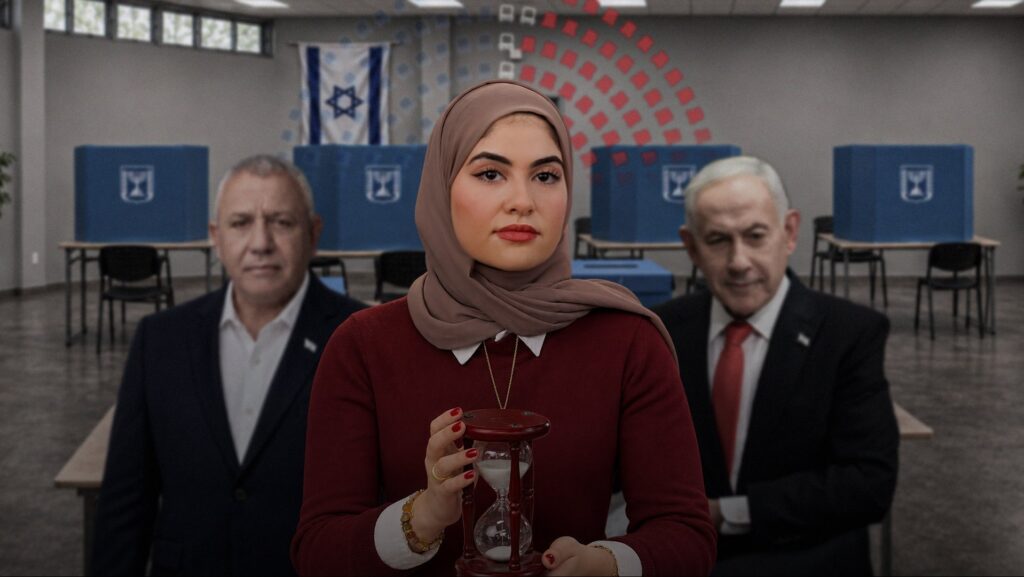
In the recent general election, Benjamin Netanyahu’s Likud party emerged as the leading faction, securing the most seats in the Knesset. However, despite this electoral victory, Netanyahu faces a significant challenge in forming a stable government—a hurdle described as the “eight-seat problem.”
The term “eight-seat problem” refers to the additional seats Netanyahu’s bloc must secure through coalition-building to achieve a majority in the 120-seat Israeli parliament. Although Likud may have won a plurality, it fell short of the 61 seats required to form a government independently. This predicament places Netanyahu in a delicate position of negotiating with potential allies to gain the necessary support.
Forming a government in Israel often involves complex coalition dynamics, given the fragmented nature of its political landscape, with numerous parties representing diverse ideological and demographic segments. Netanyahu’s bloc must bridge ideological divides and overcome historical tensions to unite the requisite partners.
Key coalition prospects typically include right-wing, religious, and some centrist parties. However, differences in policy preferences and leadership ambitions complicate coalition talks. Netanyahu must balance the demands of his coalition partners with his political agenda, making concessions and compromises.
Moreover, smaller parties wield disproportionate power in coalition negotiations. Their support can be critical to crossing the majority threshold, but they often seek significant leverage in government roles or policy-making.
This negotiation phase is crucial, as the failure to establish a government could trigger another election, prolonging political uncertainty. Netanyahu’s experience and political acumen will be tested as he navigates these challenges.
Public opinion remains divided, and opposition groups watch closely, hoping to capitalize on any coalition-building missteps. The international community also pays attention, given Israel’s strategic importance.
In summary, while Netanyahu’s Likud party has the advantage of holding the most seats, the battle to form a functional government remains fraught with complexity. The “eight-seat problem” encapsulates the intricate process of coalition-building essential for political stability in Israel. Netanyahu’s success or failure in this endeavor will shape the country’s political trajectory in the coming months.