The Yemeni government has publicly accused Iran’s Islamic Revolutionary Guard Corps (IRGC) and the Lebanese militant group Hezbollah of sending 21 military experts to Yemen to provide direct support to the Houthi movement. According to statements from the Yemeni interior minister, this foreign involvement signifies a troubling escalation of Iranian-backed assistance to the Houthis, extending well beyond mere arms supply and training to active guidance and management of military operations.
For years, the ongoing conflict in Yemen has drawn international concern with the Houthis, a Shia rebel group, fighting against the internationally recognized government. Iran has been widely suspected of supporting the Houthis through weapons smuggling and advisory roles, but this recent accusation points to a deeper level of involvement.
The Yemeni interior minister highlighted that the IRGC and Hezbollah’s involvement has broadened to include deploying a specific number of experts—21 according to government sources—who are now embedded with Houthi forces. These experts are reportedly assisting with strategic planning, tactical operations, and possibly directing combat efforts on various fronts.
This revelation underscores the complexity and regional ramifications of the Yemen conflict. Iran’s alleged backing of the Houthis is seen by many analysts as part of a broader geopolitical struggle between Iran and its rivals, including Saudi Arabia, which supports the Yemeni government.
The Iranian government has historically denied direct involvement in Yemen beyond political support, while both Hezbollah and the IRGC have dismissed claims of sending forces to the region. However, the Yemeni government’s statements reflect increasing frustration and concern over foreign interference escalating the conflict’s scale and lethality.
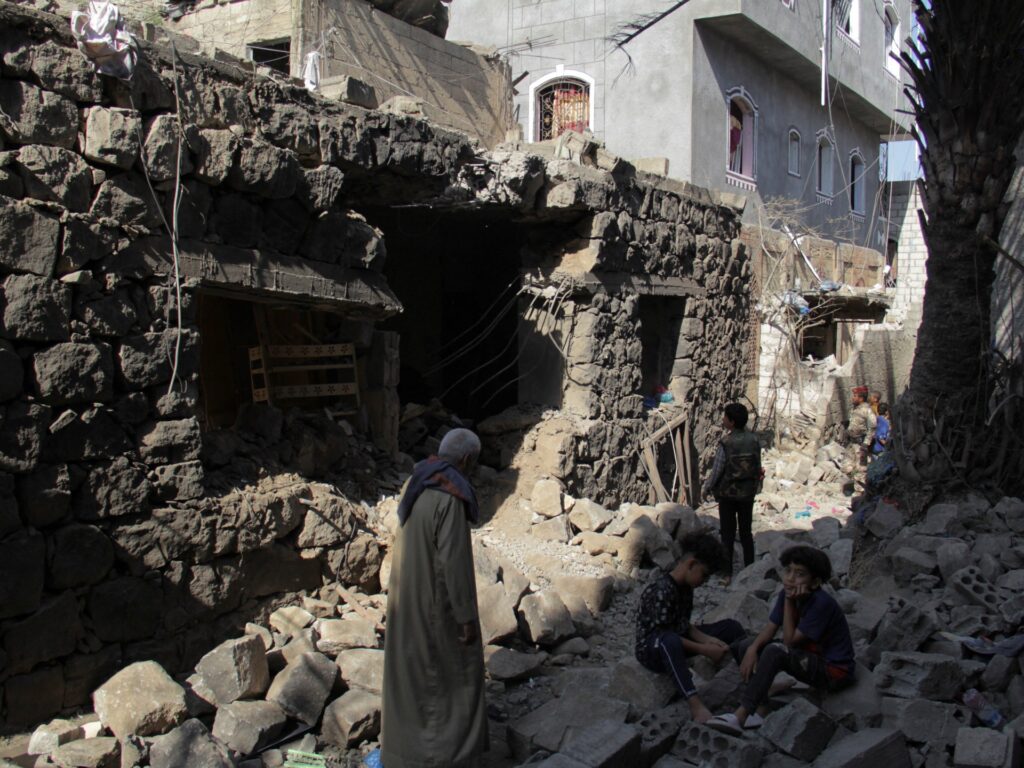
International observers note that this kind of foreign military involvement complicates peace efforts, as external actors push their agendas through local proxies, prolonging violence and humanitarian suffering. Yemen continues to face one of the world’s worst humanitarian crises, with millions displaced and dependent on aid.
The accusation also brings attention to the evolving tactics of proxy warfare in the Middle East, where state and non-state actors employ specialized personnel to influence conflicts without overt deployments. The integration of IRGC and Hezbollah experts with Houthis suggests a more hands-on approach, aiming to enhance the capabilities and effectiveness of Houthi forces against their adversaries.
As the Yemeni government amplifies its allegations, it calls for increased international support to counter what it terms hostile foreign intervention undermining Yemen’s sovereignty and peace prospects. The situation remains dynamic, with potential implications for regional security and the ongoing peace negotiations.
In response to these developments, diplomatic efforts to resolve the conflict may face new challenges, as stakeholders grapple with the intricate web of alliances and the role of external powers in Yemen’s civil war.
The international community continues to watch closely, urging restraint and dialogue, while the Yemeni population endures the profound consequences of protracted violence fueled by both internal divisions and external influences.