As the Michigan US Senate race enters its decisive final hours, candidates Jim Rogers and Abdul El-Sayed are intensifying their efforts to mobilize voters in one of the most closely watched contests of the year. The stakes are high, with El-Sayed striving to make history as the first Muslim US senator, while Rogers aims to consolidate support to secure a win. This race has captured national attention not only due to its political implications but also because of its potential to reshape Michigan’s representation in Washington.
Abdul El-Sayed, a former Detroit health official, has energized a significant portion of the electorate with his progressive platform and grassroots campaign. His bid to be the first Muslim senator in the US marks a pivotal moment in American politics, symbolizing greater diversity and inclusion. El-Sayed’s campaign emphasizes healthcare reform, environmental protection, and economic justice, resonating strongly with younger voters and urban communities.
Jim Rogers, representing the Republican Party, has focused his closing campaign on law and order, economic growth, and support for small businesses. Rogers sees this race as an opportunity to challenge the prevailing political dynamics in Michigan, appealing to voters beyond the traditional party lines. Both candidates have been engaged in vigorous debates and public appearances, highlighting the contrasting visions they offer for Michigan’s future.
The final phase of the campaign has seen a surge in voter registration drives and last-minute canvassing efforts. Community leaders, activists, and volunteers are working tirelessly to ensure high voter turnout, recognizing that every vote could be decisive. The importance of this election is underscored by Michigan’s role as a political battleground state, often swinging national outcomes.
Analysts predict a tight race, with polls indicating a close split among voters. The involvement of high-profile endorsements and substantial campaign funding has only heightened the competition. Both Rogers and El-Sayed are aware that mobilization in the coming hours could tip the scale.
In addition to policy debates, conversations around representation and identity have energized public discourse. El-Sayed’s candidacy, in particular, has sparked conversations about the changing demographics of American leadership and the impact of increased diversity on policymaking.
Campaign events in the final days have attracted large crowds, signaling high public interest and engagement. Social media platforms have been abuzz with supporters sharing endorsements and encouraging voter participation.
This Michigan Senate race serves as a reflection of broader national trends, highlighting divisions and hopes within the electorate. The outcome will not only determine who represents Michigan but also send a strong message about the direction of American politics.
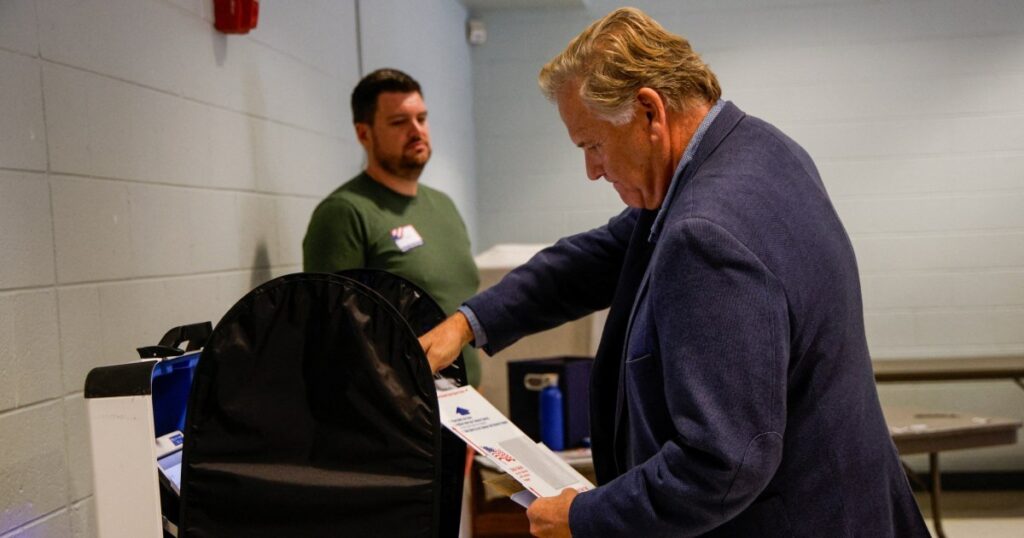
With polls closing soon, both candidates are urging their supporters to head to the polls. The final moments emphasize the critical nature of every vote and the profound impact it holds for Michigan’s future in the Senate and beyond. The nation watches closely as this pivotal race culminates, awaiting the results that could redefine political dynamics in the state and set new precedents in representation.