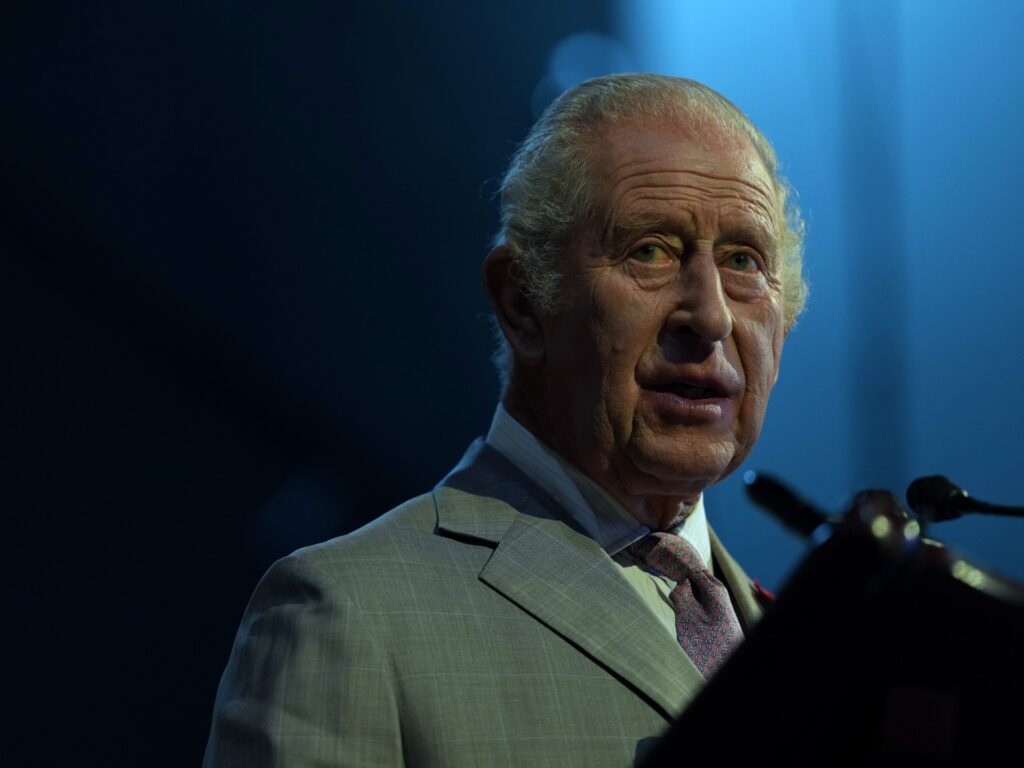
During his recent visit to Antigua, King Charles III expressed his ‘sorrow’ regarding the historic transatlantic slave trade, a dark chapter marked by the forced enslavement and suffering of millions of Africans. However, despite acknowledging the pain and legacy of slavery, King Charles stopped short of issuing a formal apology for the colonial-era atrocities.
The Caribbean nations, which bear deep historical scars from centuries of European colonization and the slave trade, have been increasingly vocal about seeking reparations from former colonial powers. Reparations refer to compensatory measures aimed at addressing the economic and social damages caused by slavery and colonial exploitation.
King Charles’s remarks came amidst growing pressure on European leaders to acknowledge and take responsibility for their countries’ roles in the slave trade. The British monarchy and government have historically faced demands to offer formal apologies and reparations for their involvement in colonialism and slavery.
During his speech in Antigua, King Charles conveyed his sympathy and sorrow for the immense suffering inflicted by slavery but highlighted the complexities surrounding the legacy of the trade. He emphasized ongoing efforts to promote understanding, healing, and cooperation between the UK and Caribbean nations.
The Caribbean leaders, while appreciating the expression of sorrow, reiterated the need for concrete actions beyond words. The call for reparations encompasses economic aid, investment in development, and formal acknowledgments of the injustices committed during colonial rule.
This visit by King Charles marks a significant moment in the evolving dialogue between the UK and its former colonies regarding historical injustices. It illustrates both progress in acknowledging past wrongs and the challenges in addressing their long-lasting impacts.
The legacy of the transatlantic slave trade continues to influence social, economic, and political realities in the Caribbean, where descendants of enslaved peoples seek justice and recognition for their ancestors’ suffering. Reparations debates involve complex discussions about moral responsibility, financial restitution, and the role of historical memory in contemporary society.
King Charles’s message of sorrow, while noted, underscores the delicate balance between personal empathy and national policies. His visit may open doors for further conversations on reconciliation, but it also highlights the ongoing demand by Caribbean nations for more substantial measures.
In conclusion, the King’s expression of sorrow in Antigua is a step towards acknowledging the painful legacy of slavery. However, the quest for reparations and formal apologies remains a critical issue for Caribbean nations, reflecting a broader global discourse on how nations reckon with their histories and work towards healing and justice.