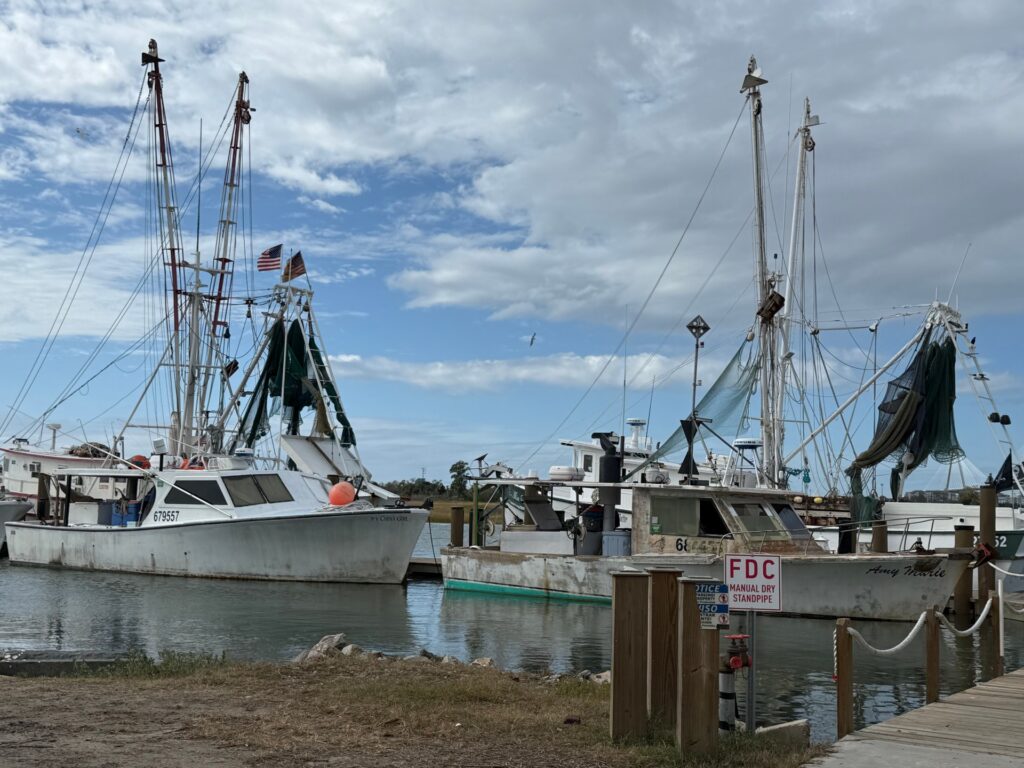
In the lead-up to the critical US midterm elections, South Carolina shrimpers are voicing significant concerns over a variety of economic and political challenges affecting their livelihoods. Facing rising fuel costs, tariffs, and potential funding cuts, these fishermen find themselves at a crossroads, carefully weighing their options as they prepare to cast their votes.
Fuel expenses represent one of the largest costs for shrimpers, many of whom operate small vessels that rely heavily on diesel. Recent spikes in global fuel prices have squeezed profit margins, making it difficult for shrimpers to sustain their businesses. This issue is particularly pressing as the shrimping season demands constant operation, often requiring long hours at sea.
Tariffs, implemented as part of ongoing trade disputes, have also had a notable impact. Imported goods necessary for boat maintenance and fishing equipment have become more expensive, adding further financial strain. Many shrimpers have expressed frustration, arguing that these tariffs do not benefit them directly, instead creating complications that ripple through their supply chains.
Adding to these mounting pressures, shrimpers are increasingly concerned about the possible funding cuts to the National Oceanic and Atmospheric Administration (NOAA). NOAA provides crucial weather data and forecasts that are essential for safe and strategic fishing practices. The administration of former President Donald Trump proposed budget reductions that could hinder NOAA’s capacity to deliver timely and accurate information, potentially putting shrimpers at greater risk while at sea.
Local shrimper associations and community leaders have been actively discussing these threats and their political implications. Many acknowledge that midterm election outcomes could influence policies on energy, trade, and environmental monitoring. As such, this segment of South Carolina’s fishing community is engaging more deeply with the political process than in previous years.
Voters among shrimpers are attentively evaluating candidates’ stances on economic support for the fishing industry, climate change policies, and maritime safety regulations. The intersection of these issues reflects broader concerns facing rural and coastal economies nationwide.
The election moment presents an opportunity for shrimpers to advocate for their needs and ensure their voices are heard amid tightening economic conditions. Stakeholders hope that increased voter participation will lead to more responsive governance addressing fuel costs, trade barriers, and environmental monitoring critical to the sustainability of the shrimping industry.
In summary, South Carolina’s shrimpers stand at a challenging juncture where everyday economic hardships meet the high stakes of national political shifts. Their engagement in the upcoming midterms may well determine the trajectory of policies that directly affect their ability to navigate the waters safely and profitably.