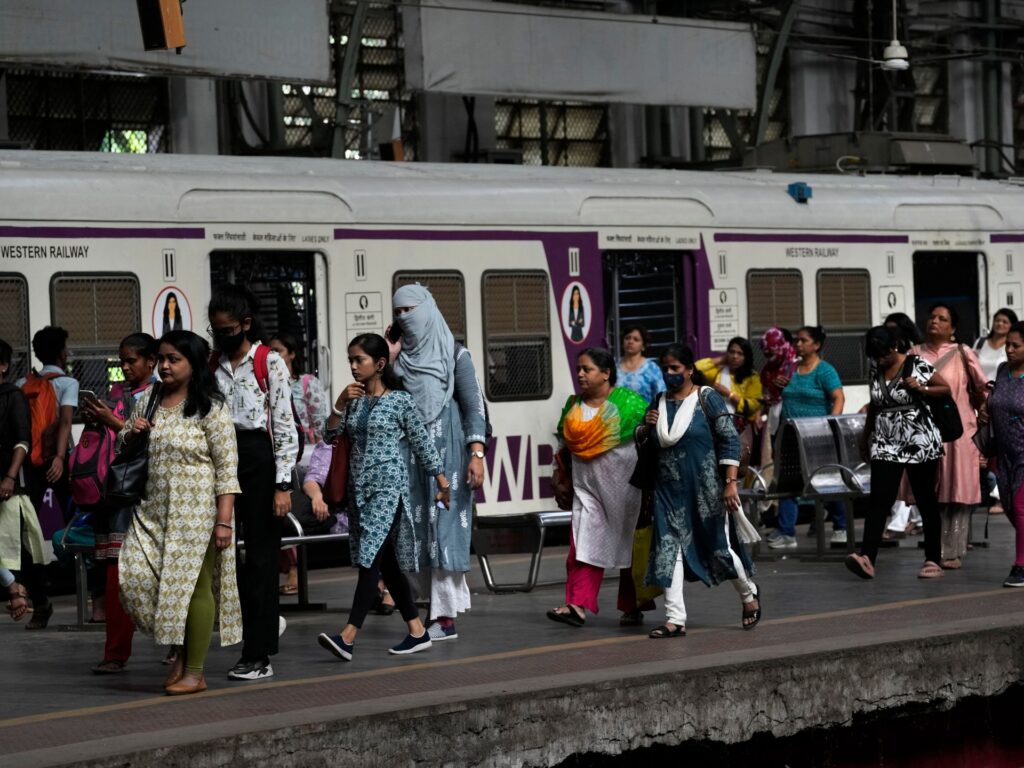
India has witnessed a remarkable transformation in the fight against extreme poverty, successfully lifting approximately 500 million people out of dire economic conditions between 2011 and 2023. According to the World Bank, the country’s rate of extreme poverty has plummeted from 27.1 percent to just 2.6 percent, signaling a significant improvement in the living standards of a large segment of the population.
This unprecedented progress can be attributed to a combination of factors including rapid economic growth, government initiatives targeting socio-economic development, and enhanced access to education and healthcare. India’s GDP growth has played a crucial role in creating jobs and improving income levels across multiple sectors, especially in manufacturing, services, and agriculture.
Government programs such as the Mahatma Gandhi National Rural Employment Guarantee Act (MGNREGA), Pradhan Mantri Jan Dhan Yojana (financial inclusion initiatives), and direct benefit transfers have been instrumental in providing a safety net and empowering citizens economically. These schemes helped reduce vulnerability among the rural and urban poor by ensuring minimum income support and improving access to bank accounts and financial services.
Increased investment in education and healthcare infrastructure has also contributed to improved human capital, enabling millions to break free from the poverty trap. Enhanced literacy rates and better health outcomes have increased productivity and opened new opportunities for higher income and quality of life.
Despite these achievements, the deepening inequality poses a significant challenge. While many have seen their living standards rise, wealth and income disparities remain stark and even appear to be widening. The benefits of economic growth have disproportionately favored the wealthier classes and urban populations, leaving behind certain regions and marginalized communities.
The gap between the rich and the poor, as well as between urban and rural areas, is evident in access to quality education, healthcare, and employment opportunities. This growing inequality threatens the sustainability of India’s progress in poverty reduction and calls for targeted policy interventions that prioritize inclusive growth.
Experts emphasize the need for addressing structural barriers such as caste discrimination, gender inequality, and uneven regional development to ensure that the next phase of growth benefits all segments of society. Bridging these divides requires continued investment in social infrastructure, reforms in labor markets, and policies aimed at equitable wealth distribution.
Furthermore, India’s demographic dividend can only be harnessed effectively by providing quality education and skill development programs to its youth, thus equipping them to participate fully in the global economy.
In summary, India’s success in pulling half a billion people out of extreme poverty represents one of the most significant social achievements in modern history. It demonstrates the potent combination of economic growth, social policies, and human development initiatives.
However, to sustain and deepen these gains, the country must address the widening inequality and ensure that economic prosperity is shared across all communities and regions. This dual focus on poverty eradication and inequality reduction will be essential for India to achieve its long-term vision of inclusive and sustainable development.