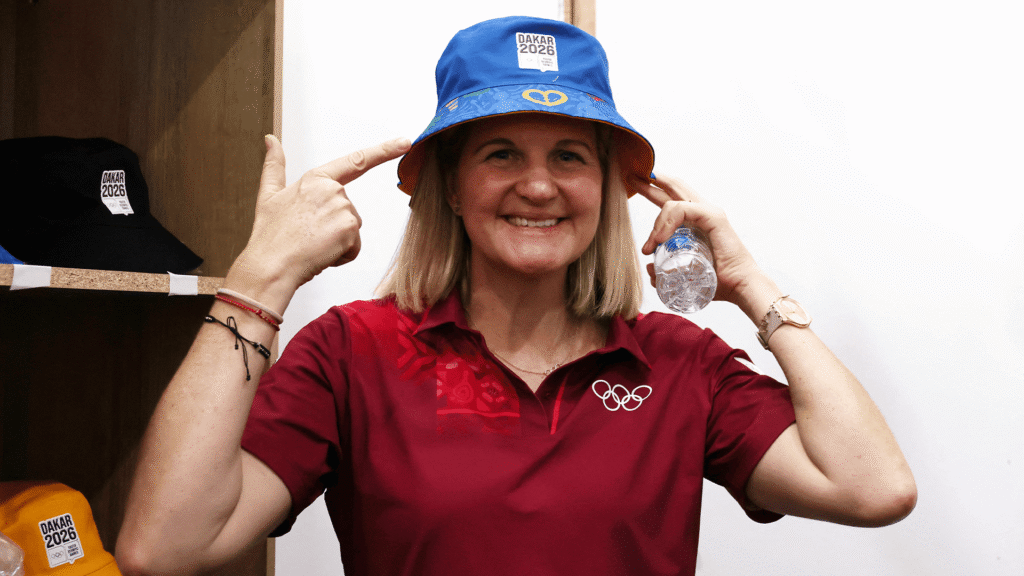
Kirsty Coventry, the President of the International Olympic Committee (IOC), has delivered a heartfelt message to young athletes dealing with bullying. Known for her inspiring leadership in the world of sports, Coventry urged those facing harassment and intimidation to stand strong and resolutely tell their bullies to “sod off.” Her direct and empowering advice aims to inspire resilience and self-respect among youngsters navigating the challenges of bullying.
Coventry’s message goes beyond mere words of encouragement. She acknowledges the courage it takes to confront bullies and emphasizes the importance of asserting oneself in the face of mistreatment. “It gets better,” she assures young athletes, instilling hope that the difficulties they face now will evolve into a more positive experience in the future.
In a broader context, Coventry’s stance highlights the IOC’s commitment to creating inclusive and supportive environments within the sporting community. The Olympic movement has increasingly focused on safeguarding athletes’ well-being, promoting respect, and counteracting bullying and discrimination at all levels.
Bullying is a pervasive issue affecting many young athletes across various sports disciplines. It can arise from competition pressures, social dynamics, or misunderstandings. Coventry’s advice encourages victims not to remain silent or feel helpless but to take a stand, seek support, and foster a culture where respect is paramount.
Experts affirm that bullying can severely impact mental health, performance, and overall well-being. By endorsing a proactive approach, Coventry helps dismantle the stigma around speaking out and empowers athletes to protect their dignity.
The IOC President’s empowering message is timely and critical as youth sports continue to grow globally. Sporting events offer invaluable opportunities for personal growth, teamwork, and achievement, but they must be free from harassment and bullying to truly benefit young competitors.
Coventry’s leadership is not just symbolic; it reflects a broader movement to embed values such as kindness, resilience, and respect into the fabric of sports culture. Her advice to “tell bullies to sod off” resonates as a call to action, encouraging young people to claim their space confidently.
This stance aligns with other initiatives by the IOC and sporting organizations worldwide aimed at bullying prevention, athlete protection, and mental health awareness. These programs provide education, resources, and safe channels for reporting incidents.
In conclusion, Kirsty Coventry’s candid and compassionate guidance serves as a beacon for young athletes encountering bullying. Her message encapsulates hope, strength, and the promise of a better environment where all athletes can thrive free from fear and intimidation. It reminds us that while bullying is a serious challenge, it can be overcome with courage, self-respect, and support from the community.
The Olympic movement’s dedication to fostering positive experiences in sports is strengthened by such voices of leadership, inspiring a generation to embrace sportsmanship and respect.