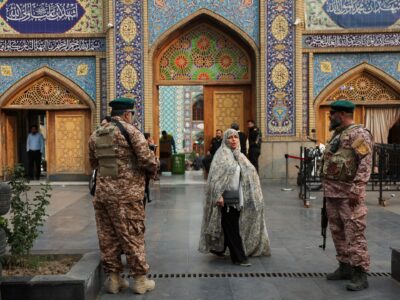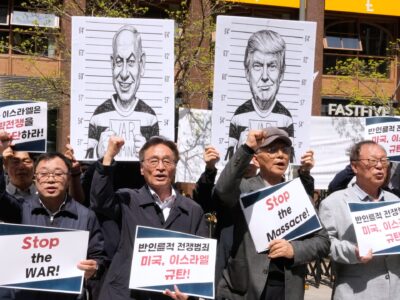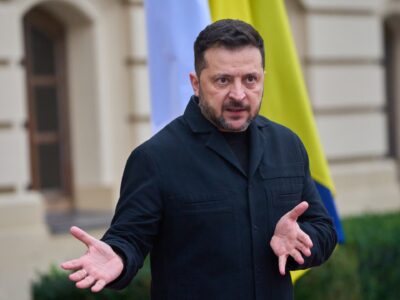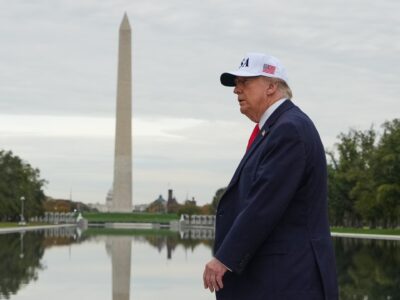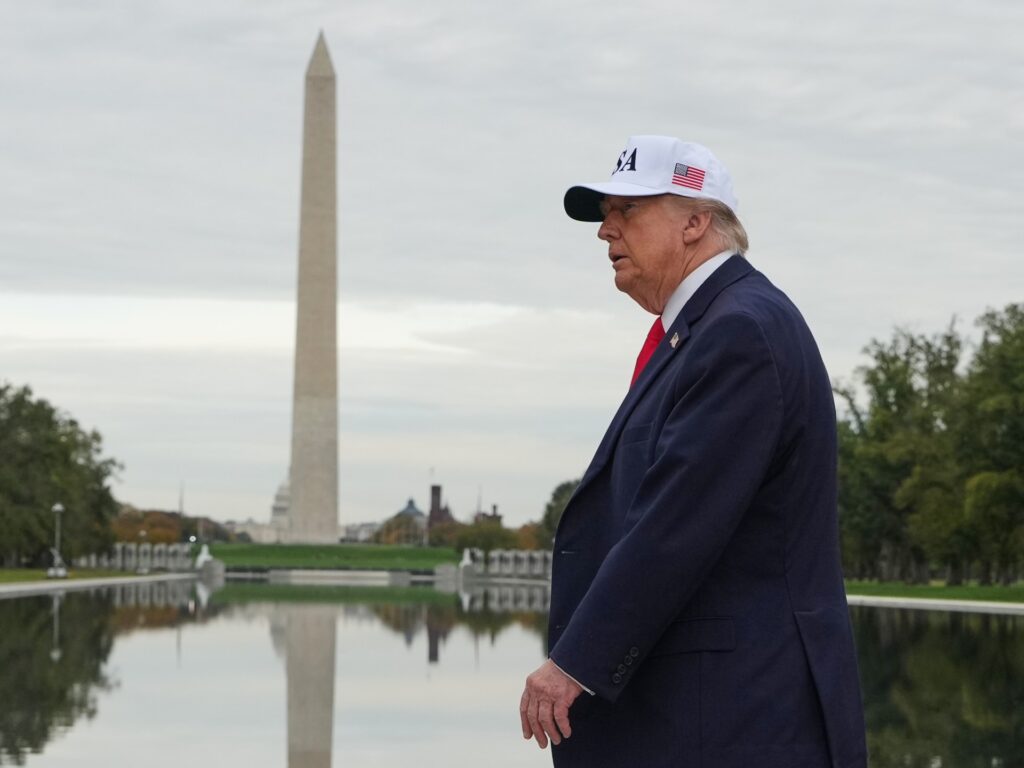
In a notable development in international diplomacy, former U.S. President Donald Trump has signaled progress on negotiations concerning a potential deal with Iran. This comes as Tehran is intensifying its call for a faster ceasefire in ongoing regional conflicts and making strategic gestures aimed at de-escalating tensions.
Iran has recently offered a significant concession: the reopening of the Strait of Hormuz, a critical chokepoint for global oil shipments. According to Iranian officials, this reopening could be implemented within two days, contingent on the United States agreeing to specific terms. This proposal underscores Iran’s willingness to take rapid steps towards easing geopolitical tensions, which have been heightened in recent years.
The Strait of Hormuz is a vital waterway through which a substantial portion of the world’s petroleum passes. Its closure during conflicts has historically led to spikes in oil prices and global economic uncertainty. Thus, Iran’s readiness to reopen it swiftly is interpreted as a move to build trust and facilitate negotiations.
Trump’s indication of progress signals a potential thaw in relations that have been fraught with challenges since the U.S. withdrew from the Joint Comprehensive Plan of Action (JCPOA) in 2018. The former president, known for his unconventional approach to foreign policy, appears to be engaging in talks that could pave the way for renewed engagement and possibly a revised agreement.
Tehran’s demand for a faster ceasefire aligns with its broader strategy to reduce military confrontations and focus on diplomatic resolutions. The exact terms of the ceasefire proposal have not been disclosed, but Iran’s emphasis on speed reflects urgency in stabilizing the region.
Experts suggest that this progress, if substantiated, could have far-reaching implications for Middle Eastern security and global economic stability. It may lead to a de-escalation of proxy conflicts, an easing of sanctions, and a renewed international framework for nuclear oversight.
However, skepticism remains among various political actors and analysts regarding the durability and sincerity of these developments. Past negotiations have faltered due to mutual mistrust and differing priorities.
The coming days will be crucial as negotiators work to translate these preliminary signals into concrete agreements. The international community watches closely, hopeful for a breakthrough that could restore peace and economic normalcy to a region long troubled by conflict.