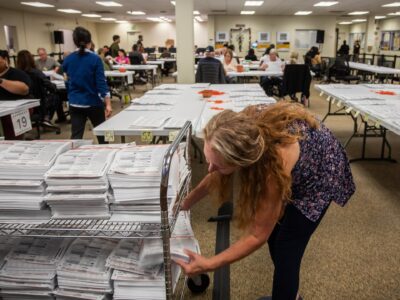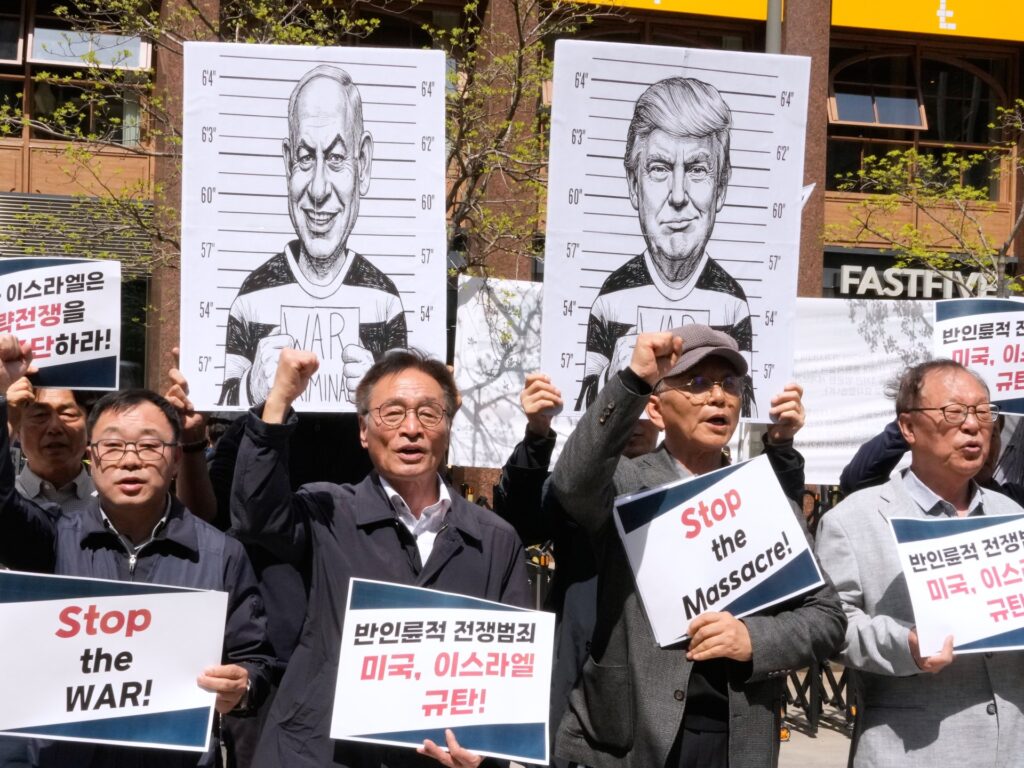
The recent US midterm elections have significant implications for the Asia-Pacific region, particularly against the backdrop of ongoing geopolitical tensions and economic challenges. Countries in this region, already affected by the Trump administration’s aggressive tariffs and confrontational policies, are anticipating substantial shifts in US foreign and trade policies.
Under the Trump presidency, unilateral trade measures, including tariffs on various Asian goods, notably harmed economies within the Asia-Pacific. These actions disrupted supply chains, increased costs for businesses, and slowed economic growth in countries reliant on trade with the US. The administration’s hardline stance on China, exemplified by both trade wars and heightened military posturing, increased regional anxiety about stability and the future of US engagement in the area.
Furthermore, the US-Iran conflict has indirect yet tangible effects in the Asia-Pacific, particularly with regard to energy security and regional security dynamics. As the US tightened sanctions and engaged in military operations linked to Iran, nations within Asia-Pacific faced uncertainty over oil prices and the risks of broader conflicts that could disrupt trade routes.
In the wake of the US midterms, Asia-Pacific nations are calling for “enormous changes” in US policies. Many expect a recalibration away from confrontational tactics towards more multilateral cooperation and trade engagement. These countries are urging the US to support free trade agreements, reduce tariff barriers, and play a constructive role in regional security dialogues.
The midterm outcomes might influence the US approach to China as well, potentially softening the antagonistic posture if a more balanced strategy emphasizing diplomacy and economic partnership emerges. This would alleviate some of the economic strain on Asia-Pacific countries caught between the two global powers.
Moreover, nations in the Asia-Pacific hope the new US Congress will prioritize stability and predictability in foreign policy, recognizing the interconnectedness of global markets and the critical importance of the region for global economic growth.
In summary, the US midterms are pivotal for the Asia-Pacific region, already reeling from the impacts of prior US tariffs and the ramifications of the Iran conflict. The region is looking toward a future where US policies are more supportive, stable, and conducive to collaborative growth and security, marking a hopeful chapter in Asia-Pacific and US relations.