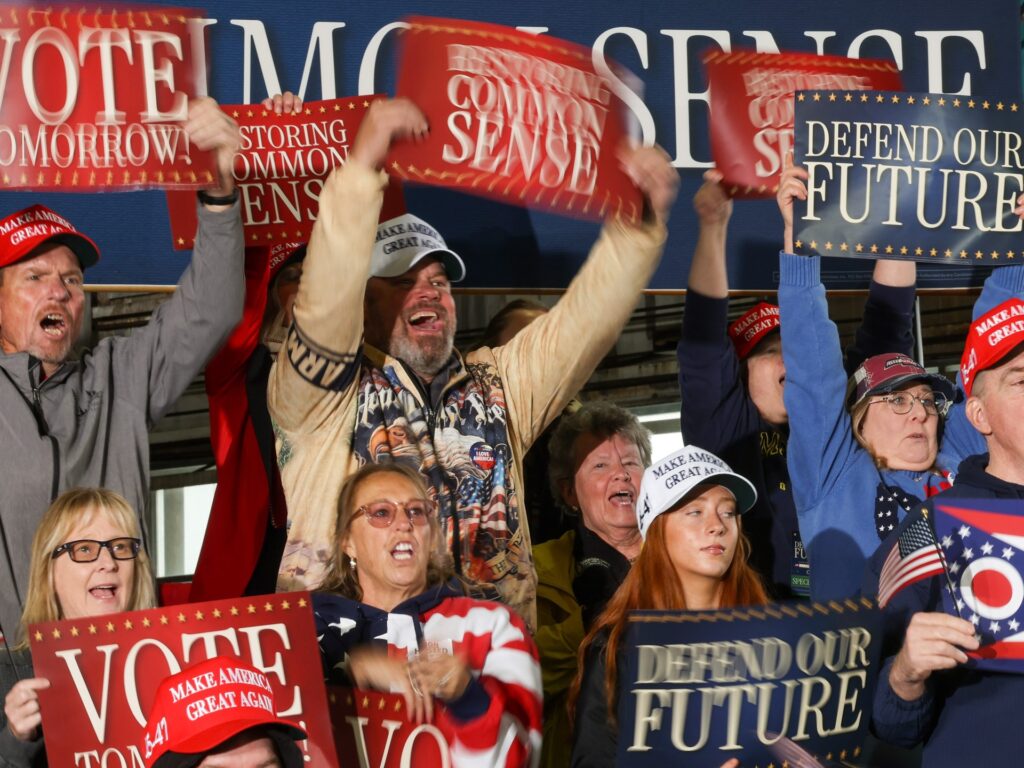
As the US approaches the 2026 midterm elections, various polls provide insightful snapshots into the priorities and perspectives of Democratic and Republican voters. These surveys highlight not only the areas of agreement but also the significant divides that shape the American political landscape.
Economy and Cost of Living
Among the most pressing concerns for voters from both parties is the economy. Polls consistently show that the cost of living remains a dominant issue, with many Americans worried about inflation, housing prices, and healthcare costs. Democratic voters tend to emphasize the need for increased government intervention to alleviate economic pressures, advocating for policies like raising the minimum wage and expanding social safety nets. Conversely, Republican voters often prioritize economic growth through deregulation and tax cuts, believing that such measures will ultimately lower costs and create jobs.
Immigration Policy
Immigration continues to be a polarized topic with clear partisan divides. Democratic voters generally support more inclusive immigration policies, including protections for undocumented immigrants and pathways to citizenship. In contrast, Republican voters commonly express concerns about border security and the economic impact of immigration, often favoring stricter enforcement and reductions in immigration levels.
Areas of Agreement
Despite these differences, there are key issues where voters from both parties find common ground. Polls reveal bipartisan support for infrastructure investment, indicating a shared recognition of the need to upgrade roads, bridges, and public transit systems. Additionally, many voters across the spectrum agree on the importance of mental health awareness and expanding access to mental health services.
Voter Engagement and Turnout
Polling data also sheds light on voter enthusiasm and potential turnout. While Republicans have historically seen higher midterm turnout, recent polls suggest a competitive landscape in 2026, driven by energized bases on both sides. Issues like climate change and gun control are increasingly mobilizing younger voters, who tend to lean Democratic, whereas concerns about economic stability and traditional values resonate strongly within Republican ranks.
Looking Ahead
These polling trends provide a crucial lens through which to anticipate the dynamics of the 2026 midterms. Understanding where voters from both parties align and diverge helps candidates and policymakers tailor their messages and strategies. As the political climate continues to evolve, so too will the priorities and concerns of the American electorate.
In conclusion, the polls underscore the complex mosaic of American voter attitudes heading into the 2026 midterms. From economic anxieties to cultural debates, the elections will be shaped by a nuanced mix of shared interests and sharp partisan differences. Observers and participants alike will closely watch how these factors influence the ultimate outcomes of this pivotal electoral contest.