Al-Jawf has recently become a focal point in the ongoing conflict in Yemen, as government forces have made significant military advances in this strategically important region. The intensified fighting in Al-Jawf underscores its geographic and tactical significance in the broader Yemen war, which has been raging for years between government forces aligned with the internationally recognized government and the Houthi rebel movement.
Situated in the northern part of Yemen, Al-Jawf province borders Saudi Arabia and offers crucial access points to other key areas in the north and east. Control over this province enables forces to manage supply lines and establish strategic dominance in the region.
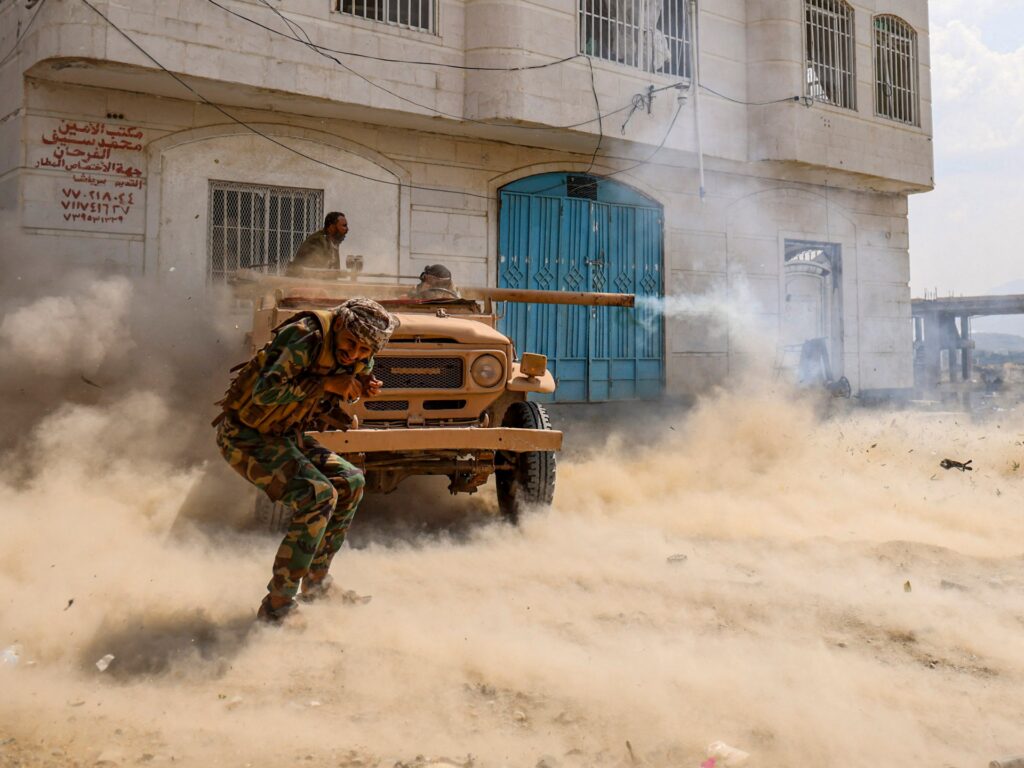
Government forces, backed by coalition air support, have focused their efforts on gaining ground in Al-Jawf after prolonged battles marked by shifting control of towns and villages. Their recent advances reflect a concerted push to reclaim territory from the Houthis, who have maintained a strong presence in the province for several years.
The campaign in Al-Jawf has seen intense clashes, with both sides suffering casualties. The government’s progress in this area is seen as an attempt to disrupt Houthi operations and weaken their hold on northern Yemen. Reports from the frontline indicate that the terrain in Al-Jawf poses challenges, including harsh desert conditions and fortified defensive positions held by Houthi fighters.
Control of Al-Jawf also carries symbolic weight, as it represents a foothold close to Sanaa, the Yemeni capital controlled by the Houthis since 2014. Success here could potentially pave the way for future government offensives aimed at regaining the capital and ending the protracted conflict.
Humanitarian concerns persist as the fighting has displaced thousands of residents in Al-Jawf, exacerbating an already grave humanitarian crisis in Yemen. Access to food, medical aid, and safe shelter remains scarce amid ongoing hostilities. International organizations and aid agencies have called for ceasefires and increased humanitarian corridors to alleviate civilian suffering.
The international community continues to monitor developments closely, with various diplomatic efforts underway to broker peace. However, entrenched hostilities and strategic interests in key provinces like Al-Jawf complicate negotiations.
In summary, Al-Jawf’s emergence as a new hotspot in the Yemen war highlights its critical role in the conflict’s military and political dynamics. The recent gains by government forces signify an important phase in the struggle for control over Yemen, potentially shaping the future course of this devastating war.