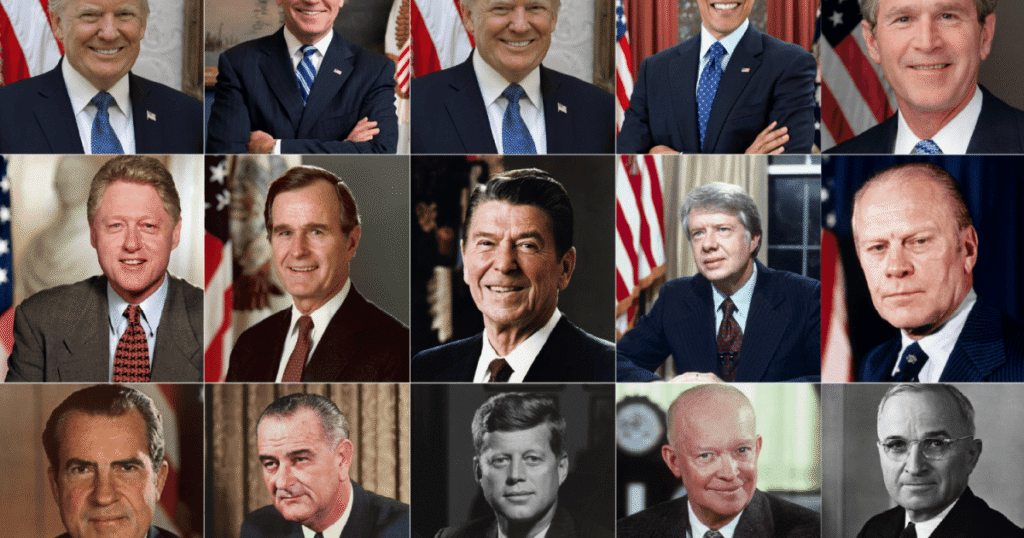
Midterm elections in the United States have long been a critical indicator of the public’s sentiment toward the sitting president and their administration. Looking back from 1946 to recent years, the performance of the president’s party during these midterms has shown a consistent pattern that shapes the political landscape for the remainder of the president’s term.
Since 1946, the president’s party has typically faced challenges in midterm elections, often losing seats in the House of Representatives. This trend underscores a historical tendency for voters to express dissatisfaction with the administration by shifting support toward the opposition party. The pattern is so pronounced that it has become almost expected for the president’s party to encounter a reduction in House seats during these elections.
Only twice in the last 20 midterm elections has the president’s party managed to buck this trend and gain seats in the House. These rare exceptions highlight moments where the electorate either endorsed the current administration’s direction or reacted against the opposition’s stance. Such instances are notable because they demonstrate that while the midterm loss trend is strong, it is not absolute.
Polls and analyses leading up to the 2026 midterms suggest that the president’s party is unlikely to achieve a rare gain this time around. Current data reflects voter concerns and political dynamics that historically correlate with losses for the sitting president’s party. These indicators provide a forecast consistent with the longstanding pattern of midterm election outcomes.
The implications of these midterm results extend beyond mere seat counts; they influence legislative agendas, shape policy debates, and affect the president’s ability to implement their vision. A loss in the House, for instance, often translates into heightened challenges for passing legislation and can compel the president to seek broader bipartisan support or reconsider priorities.
Throughout these decades, factors influencing midterm outcomes have varied, including the state of the economy, international events, presidential approval ratings, and key legislative battles. Each election cycle has its unique context, but the overarching pattern remains remarkably stable.
Political analysts and strategists closely monitor these trends, recognizing their importance in crafting campaign strategies and messaging. For the president’s party, understanding and anticipating the electorate’s mood during midterms becomes essential in work to minimize seat losses or, in rare cases, achieve gains.
As the nation approaches the 2026 midterm elections, the historical context coupled with current polls sets the stage for a familiar narrative. While political surprises are always possible, the data-driven expectation is that the president’s party will face a challenging electoral environment.
In summary, the history of midterm elections since 1946 reveals a pronounced and persistent trend of losses for the president’s party with only two exceptions among 20 cycles. The forthcoming 2026 midterms are projected to continue this pattern, affirming the enduring political dynamics that define these pivotal electoral contests in American democracy.