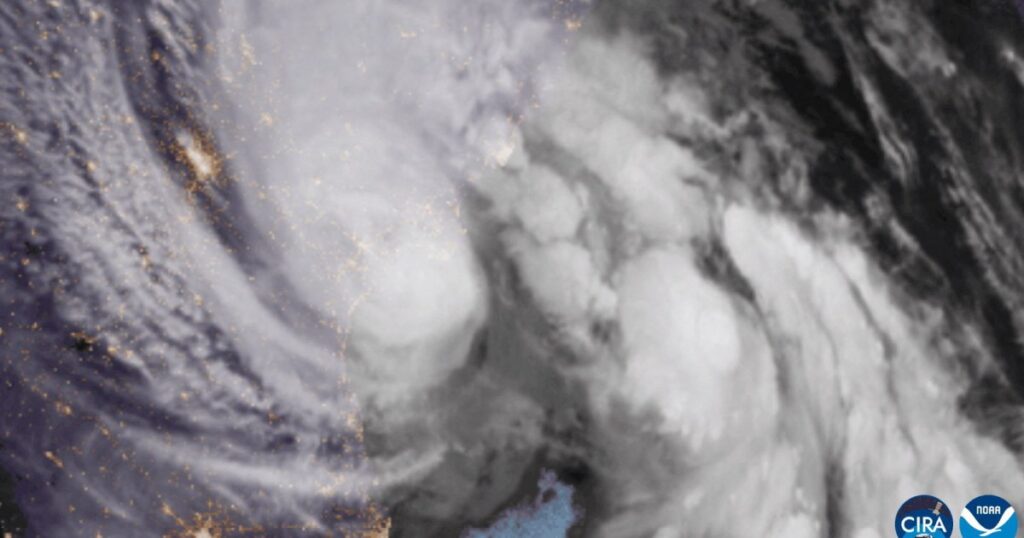
India is bracing for the impact of the second cyclone in a week as Cyclone Murasu is expected to make landfall near Ongole late Monday. The Meteorological Department has issued warnings indicating that the tropical cyclone will bring wind speeds ranging from 100 to 110 km/h, posing significant threats to the coastal areas.
In anticipation of severe weather conditions, thousands of residents have been evacuated from vulnerable coastal regions to safer locations. Authorities have mobilized emergency response teams and are actively working to minimize the cyclone’s potential damage.
Cyclone Murasu follows closely after the devastation caused by a previous cyclone earlier this week, which led to massive disruption and damage in the affected areas. The recurrence of such storms has raised concerns about increasing cyclone activity in the region.
The Meteorological Department has been closely monitoring the cyclone’s movement and intensity, using advanced satellite technology and weather models to provide timely updates to the public and government agencies.
Local administrations have issued alerts and advisories to fishermen and coastal communities, advising them to stay off the sea and take all necessary precautions.
Emergency shelters have been set up in schools and government buildings to accommodate evacuees, ensuring access to food, water, and medical assistance.
Authorities are also coordinating with disaster response teams to be on standby for rescue operations and to address any emergent needs post-impact.
The government has urged residents not to panic but to follow official instructions carefully to safeguard lives and property.
Power and communication lines are at risk due to strong winds and heavy rains, prompting utility companies to prepare for rapid restoration efforts.
Farmers in the region are particularly concerned about the impact of the cyclone on standing crops, fearing significant losses if the storm brings flooding.
The National Disaster Response Force (NDRF) is deploying personnel and resources strategically to the most vulnerable zones.
Transport services, including rail and road networks, might experience disruptions, as authorities consider precautionary closures in affected regions.
Health departments are vigilant about possible outbreaks of waterborne diseases following the cyclone, emphasizing cleanliness and safety measures.
The energy sector is also on alert, with oil and gas installations preparing for contingency operations.
As Cyclone Murasu approaches, meteorologists stress the importance of continuous weather updates and public cooperation with emergency protocols.
Residents are advised to secure loose objects and reinforce their homes to withstand strong winds.
Schools and colleges in the anticipated impact zone have been temporarily closed as a safety measure.
The cyclone’s path is still being tracked closely, with the possibility of changes in landfall timing and intensity.
Authorities have activated crisis management centers at various administrative levels to streamline coordination.
Humanitarian organizations are preparing relief materials, including food, blankets, and medical supplies, for immediate distribution.
Cybersecurity units are monitoring for misinformation that could cause public panic or hinder response efforts.
The repeated cyclone events underscore the need for enhanced climate resilience and adaptive infrastructure in the region.
Long-term planning and investment in disaster management systems are imperative to mitigate future risks.
Environmental experts advocate for preserving coastal ecosystems, which can act as natural barriers against storms.
India’s meteorological services continue to issue forecasts and advisories multiple times a day during cyclone season.
Public media campaigns are underway to educate citizens about preparedness and emergency contacts.
The Indian government has reiterated its commitment to ensuring the safety and well-being of its people through coordinated disaster response strategies.
As communities prepare for impact, hope remains strong that damage and loss can be minimized through vigilance and cooperation.
This latest cyclone event is a pivotal moment for India’s disaster preparedness framework and highlights the critical role of early warning systems.
The coming days will be crucial as Cyclone Murasu brings its full force to the coast, testing resilience and response on all fronts.
Continuous monitoring and adaptive measures will be key to navigating this challenging weather scenario safely.
Authorities urge everyone to stay informed through verified sources and adhere strictly to safety directives.
The combined efforts of government agencies, emergency responders, and the public are central to managing this natural threat effectively.
As the situation develops, updates will be promptly communicated to ensure public safety and readiness.
Stakeholders across sectors remain on high alert, working tirelessly to address all facets of the impending cyclone.
It is a reminder of nature’s powerful impact and the importance of preparedness in safeguarding communities.
The response to Cyclone Murasu will undoubtedly shape disaster management policies going forward.
Citizen cooperation and timely action are vital to overcoming the challenges posed by this severe weather event.
With precautionary evacuations underway and safety measures in place, authorities are optimistic about minimizing casualties.
The nation stands united in its resolve to face the cyclone’s threat with strength and solidarity.
As the cyclone closes in, the focus remains on protecting lives and enabling swift recovery post-event.
The ongoing efforts underscore the critical importance of emergency readiness and resilience in the face of increasingly frequent natural disasters.