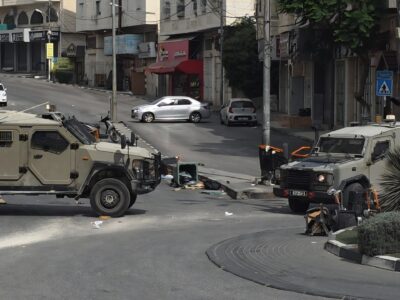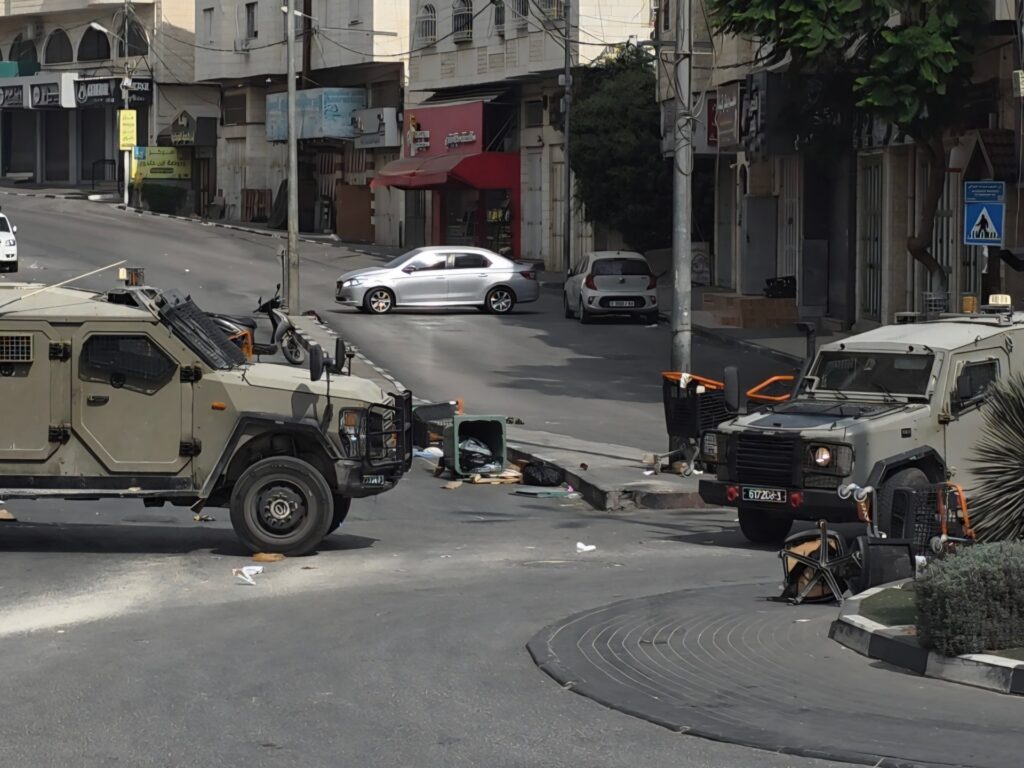
The siege of Hebron has now entered its tenth day, with Israeli forces maintaining a strict lockdown that continues to disrupt daily life and economic activity in the city. Since the operation began, the area has witnessed extensive military activity, including the demolition of several homes in the West Bank, contributing to heightened tensions and widespread displacement.
The economic repercussions of the siege have been severe. According to recent reports, Hebron has suffered losses exceeding $3.8 million. This figure primarily stems from the closure of hundreds of businesses, which has led to a significant downturn in commercial activity and amplified economic hardship for local residents.
Israeli authorities have warned of a potential escalation, with threats to undertake a wider offensive in the region. Such moves could deepen the humanitarian and economic crisis already unfolding in Hebron and the broader West Bank.
Local officials and humanitarian organizations have raised concerns about the prolonged siege’s impact on the community’s well-being. The closure of businesses not only restricts access to essential goods and services but also deprives families of their primary sources of income.
Home demolitions have sparked outrage among residents and human rights groups, who argue that these actions exacerbate instability and violate international norms. Many families displaced by the demolitions face uncertain futures amid a backdrop of ongoing conflict and political strife.
The international community has called for restraint on all sides, emphasizing the need for dialogue and sustainable solutions to ease tensions and foster peace. Observers point to the critical necessity of safeguarding civilian lives and infrastructure to prevent further deterioration of conditions.
As the siege stretches on, the people of Hebron grapple with a complex reality marked by security concerns, economic distress, and social upheaval. The continuation of military operations and potential escalation underscore the fragility of the situation and the urgent need for comprehensive conflict resolution measures.
Efforts to reopen businesses and restore normalcy have been hampered by ongoing security restrictions and uncertainty. The prospect of a wider Israeli offensive threatens to compound the hardships faced by the population, making humanitarian assistance and political intervention all the more crucial.
With regional stability hanging in the balance, stakeholders both within Israel and the Palestinian territories, as well as international actors, face pressing challenges in addressing the causes and consequences of the siege. The unfolding events in Hebron stand as a stark reminder of the enduring and complex nature of the Israeli-Palestinian conflict.