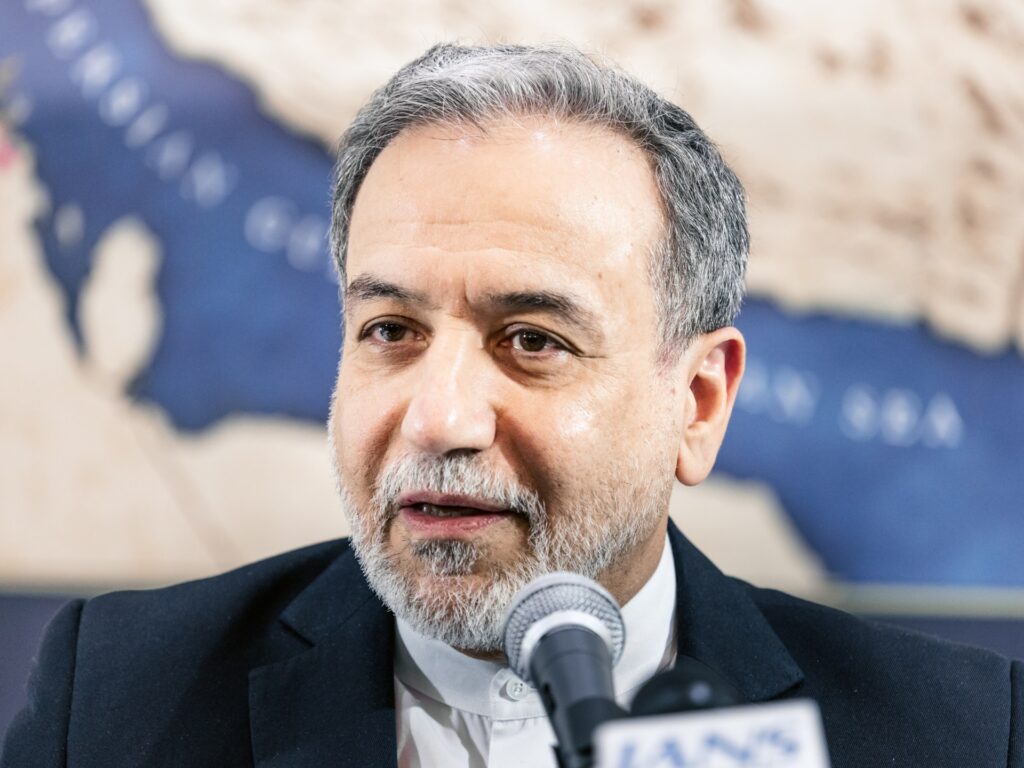
In a recent development, Iran’s Foreign Minister Abbas Araghchi acknowledged that the United States’ outreach was a “positive step” as both countries engage in talks in Qatar. This statement comes at a time when diplomatic conversations are intensifying, aiming to address ongoing tensions and potential conflict situations in the region.
Araghchi, speaking to Al Jazeera, highlighted that while Tehran is receptive to diplomatic engagement, it remains vigilant and prepared for all possible scenarios, including the possibility of attacks. His remarks underscore the delicate balance Iran seeks to maintain between openness to dialogue and readiness to defend its interests.
The delegation’s presence in Qatar is significant, as Qatar has often played a mediating role in Middle Eastern affairs, providing neutral ground for conducting sensitive discussions. The talks aim to reduce hostilities and explore potential pathways for cooperation or at least peaceful coexistence.
This diplomatic gesture by the United States, characterized as a positive step by Iran, indicates a willingness to engage in dialogue despite past hostilities and mutual suspicions. It suggests that both parties recognize the need for communication channels to avoid misunderstandings that could escalate into conflict.
However, Araghchi’s caution about not ruling out an attack reflects ongoing concerns about regional security and stability. Iran’s preparedness signals that while it hopes for peaceful resolutions, it remains alert to threats that may arise from adversarial actions.
The current situation is emblematic of the complex and often tense relationships in the Middle East, where geopolitical rivalries, historic grievances, and strategic interests intersect. The US outreach and Iran’s response exemplify the nuanced approach required to navigate these challenges.
Observers note that successful talks in Qatar could pave the way for more substantial agreements in the future, potentially easing tensions and opening avenues for cooperation on various fronts, including nuclear issues, trade, and regional security.
In summary, Iran’s Foreign Minister Abbas Araghchi’s comments reveal a strategic stance: embracing diplomatic overtures as a positive development while maintaining caution and readiness amidst uncertain regional dynamics. The ongoing discussions in Qatar mark an important moment in US-Iran relations, reflecting both hope for improved ties and the reality of persistent challenges.