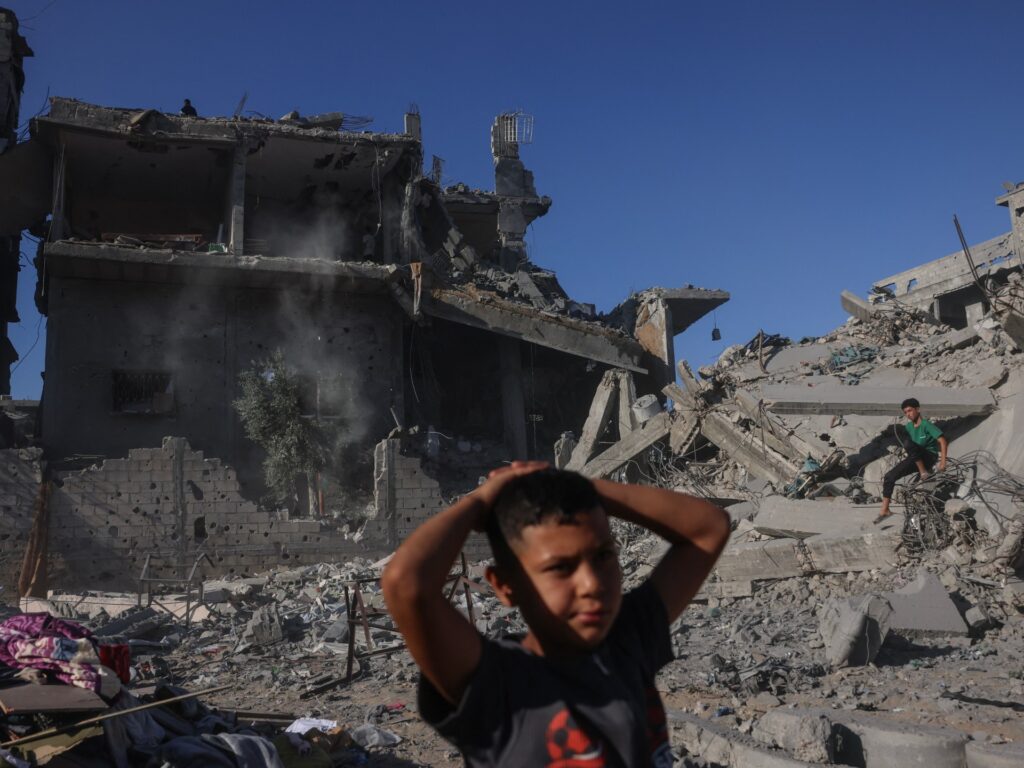
The recent Israeli election, held amid ongoing conflict and international scrutiny, presented a complex political landscape that sidestepped the immediate humanitarian crisis in Gaza. Despite the backdrop of escalation, allegations of genocide, and a looming regional war, the election revealed a pronounced absence of appetite for political change or alternatives focused on Gaza or the occupied territories.
Political analysts observed that the electoral discourse largely centered around domestic security, national identity, and economic concerns rather than the situation in Gaza. This pivot away from the conflict zone in the political debate illustrates a broader societal tendency in Israel to prioritize internal stability over regional reconciliation amid ongoing violence.
The ongoing conflict in Gaza, marked by intense military operations and devastating humanitarian consequences, has drawn international calls for ceasefire and peace negotiations. However, Israel’s electorate showed significant support for parties advocating a hardline approach to security and defense, reflecting deep public fears and skepticism about the prospects for peace with Hamas or other factions in Gaza.
This electoral outcome underscores the challenges in addressing Gaza’s complex humanitarian and political crisis through Israel’s domestic political mechanisms. It also highlights the isolation of Gaza in the Israeli public and political consciousness, effectively removing the territory from the immediate electoral agenda despite its critical importance in regional stability.
Furthermore, the election’s results have implications for Israel’s international relations, potentially reinforcing positions that prioritize security over diplomacy, and complicating efforts by global stakeholders to mediate peace in the region. The lack of debate on Gaza signals a political inertia that may hinder comprehensive solutions to end the cycle of violence.
In conclusion, while the Israeli election firmly reaffirmed the current government’s approach, it also symbolized a strategic avoidance by voters and politicians alike to confront Gaza’s crisis openly. This electoral silence on Gaza reflects deeper divisions and tensions within Israeli society about how to address the enduring conflict and its humanitarian ramifications. The international community continues to watch closely, recognizing that without meaningful political engagement on Gaza, the prospects for lasting peace remain bleak.