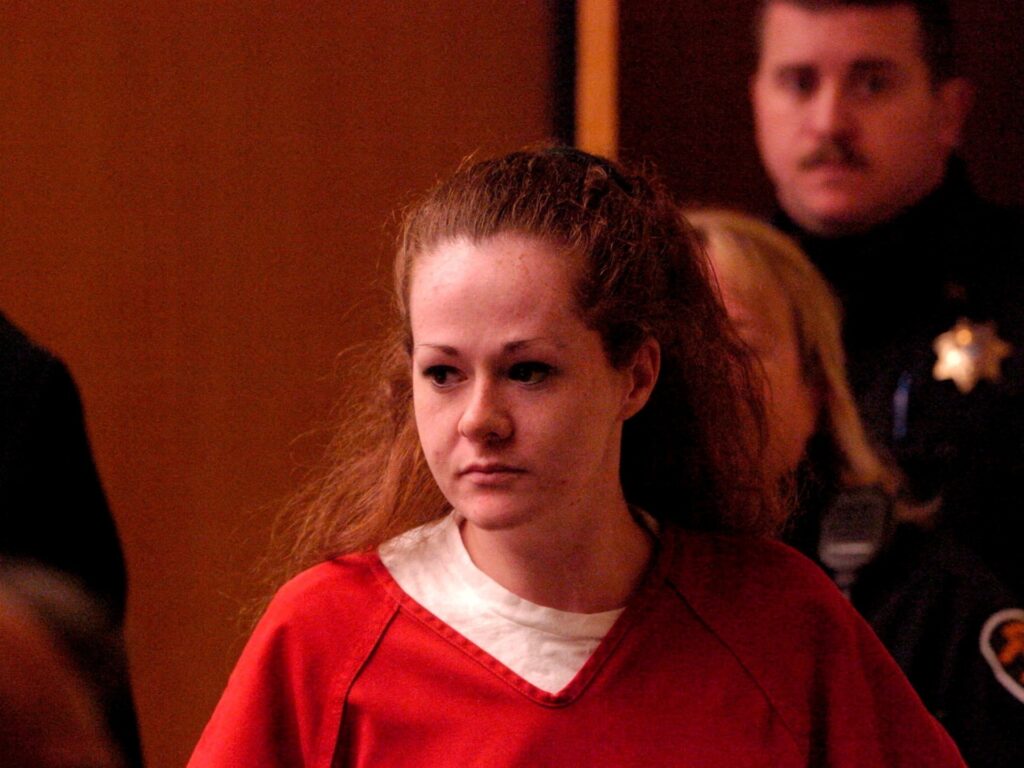
Christa Pike, a 50-year-old inmate, has opened up about her life following a failed execution attempt by lethal injection. Pike survived the attempt that was intended to end her life, but she now faces an uncertain and challenging future. She is currently being held in solitary confinement and reports experiencing constant pain.
The case of Christa Pike is rare and highlights the complications that can arise in the administration of capital punishment. Pike’s survival has made her situation unique, as she has had to adjust to life after a procedure that typically results in death.
Pike has been in solitary confinement, a form of imprisonment where an inmate is isolated from any human contact, aside from prison staff. This type of confinement can have severe psychological and physical effects on inmates, contributing to the pain and distress Pike describes.
Her experience draws attention to the broader issues surrounding the death penalty, including ethical, legal, and humanitarian concerns. Many advocates argue that the risk of botched executions adds to the debate about whether capital punishment should be abolished.
Medical complications during lethal injections are not entirely uncommon, and Pike’s case has brought these issues to the forefront of public discussion. The injection process, which is supposed to be swift and painless, can sometimes result in prolonged suffering if it fails or is not administered correctly.
As Pike awaits her future, her situation raises questions about the treatment of inmates who survive execution attempts and the policies regarding their incarceration. It also emphasizes the need for a close examination of execution protocols to prevent similar incidents in the future.
The story of Christa Pike is a stark reminder of the human consequences of the death penalty. It underscores the importance of ongoing debate and reform in the justice system to ensure humane treatment for all individuals, regardless of their crimes.
Pike’s testimony about living in constant pain and solitude brings a personal perspective to the abstract discussions about capital punishment. It reminds society that behind every legal case there is a human being enduring real suffering.
Her case may influence future legal battles and inspire changes in how the death penalty is implemented or potentially lead to its abolition. For now, Pike continues her life in confinement, coping with the aftermath of a failed execution and the pain that accompanies it.