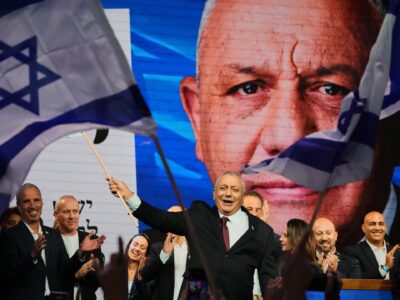
In a historic development, the recent elections in Israel witnessed an unprecedented high voter turnout among Palestinian citizens of Israel. This significant increase in political engagement has positioned Arab parties as crucial kingmakers, potentially shifting the balance of power and posing a formidable challenge to the far-right bloc led by Prime Minister Benjamin Netanyahu.
Palestinian citizens of Israel, who make up about 20% of the country’s population, have traditionally faced marginalization and lower political participation rates. However, this election cycle saw a surge in voter turnout, signaling a transformative moment in Israeli politics. The Arab parties, unified under a coalition, managed to galvanize their electorate with platforms focused on equality, civil rights, and opposition to far-right nationalist policies.
This electoral surge is not only a testament to the growing political awareness and activism within the Palestinian community but also a reflection of widespread dissatisfaction with Netanyahu’s government. The far-right leader has long been criticized for policies perceived as divisive and discriminatory.
The increased representation of Arab parties in the Knesset, Israel’s parliament, grants them unprecedented leverage in coalition talks and government formation. As kingmakers, these parties could influence key decisions, advocate for minority rights, and push back against policies that have historically marginalized their constituents.
Analysts suggest this shift could lead to more inclusive governance and potentially pave the way for peace-oriented policies addressing the Israeli-Palestinian conflict. However, the political establishment’s reaction remains cautious, as they navigate the new dynamics introduced by this empowered voting bloc.
The surge in voter turnout among Palestinian citizens also highlights broader trends of democratic engagement in diverse societies, emphasizing the importance of inclusive political processes. For Netanyahu, this electoral outcome signifies a challenge to his long-standing dominance and may herald a new era in Israeli politics where Arab parties hold substantial sway.
In summary, the historic voter turnout among Palestinian citizens of Israel marks a pivotal moment with wide-reaching implications. It threatens Netanyahu’s grip on power, reshapes coalition possibilities, and signals a shift towards a more participatory and potentially equitable political landscape in Israel.