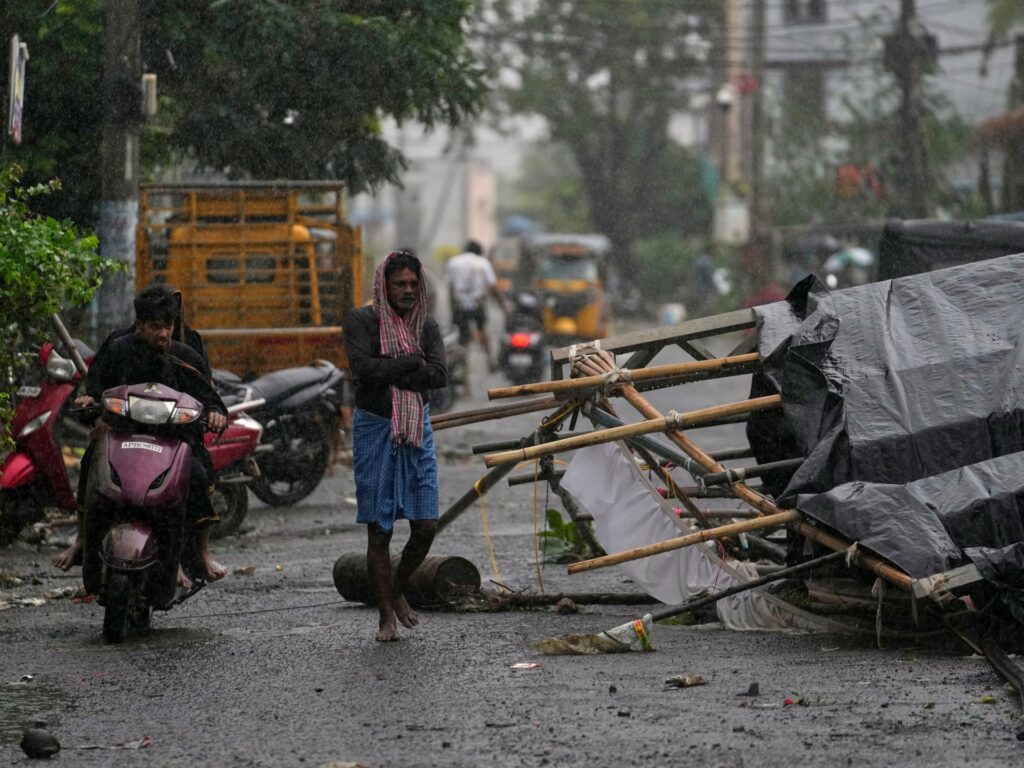
Cyclone Arnab has made landfall in the Indian state of Andhra Pradesh, prompting widespread emergency responses as the storm unleashes severe weather conditions across the region. The cyclone, characterized by heavy rains, strong winds, and flooding, has caused significant disturbances, including disruptions to flight schedules and train services.
Authorities in Andhra Pradesh have been proactive in mitigating the impact of the storm. In a large-scale evacuation effort, approximately 180,000 residents from vulnerable areas were relocated to safer zones over the past few days, reflecting the seriousness of the cyclone’s threat.
The flooding brought about by Arnab has inundated several low-lying areas, damaging property and impeding normal life. Floodwaters have breached embankments in certain localities, resulting in ongoing rescue operations. Emergency teams are working round the clock to provide relief and support to affected populations.
Transportation sectors have also been affected considerably. Several domestic flights scheduled in and out of Andhra Pradesh airports were canceled or delayed, causing inconvenience to travelers. Additionally, the Indian Railways has reported interruptions, with trains either delayed or temporarily halted on some routes due to waterlogging and safety concerns.
Local administrations have set up multiple relief camps equipped with essential supplies and medical aid for displaced residents. Officials are closely monitoring the cyclone’s trajectory and weather updates to strategize ongoing response measures.
Meteorological departments have issued warnings for surrounding states to remain vigilant as Cyclone Arnab moves inland, potentially affecting weather patterns across the region. Residents are advised to follow safety guidelines and stay informed through official channels.
The government has appealed for calm and cooperation from the public while emphasizing the critical importance of adhering to evacuation orders and avoiding unnecessary travel during the storm’s peak.
This event highlights the challenges posed by natural disasters in coastal and flood-prone zones of India and underlines the necessity for preparedness and rapid response strategies to safeguard lives and infrastructure.
As the situation continues to evolve, authorities remain committed to managing the crisis effectively and restoring normalcy as swiftly as possible. Further updates will be provided as more information becomes available regarding the extent of damage and recovery efforts.