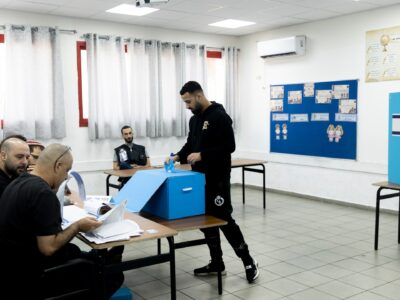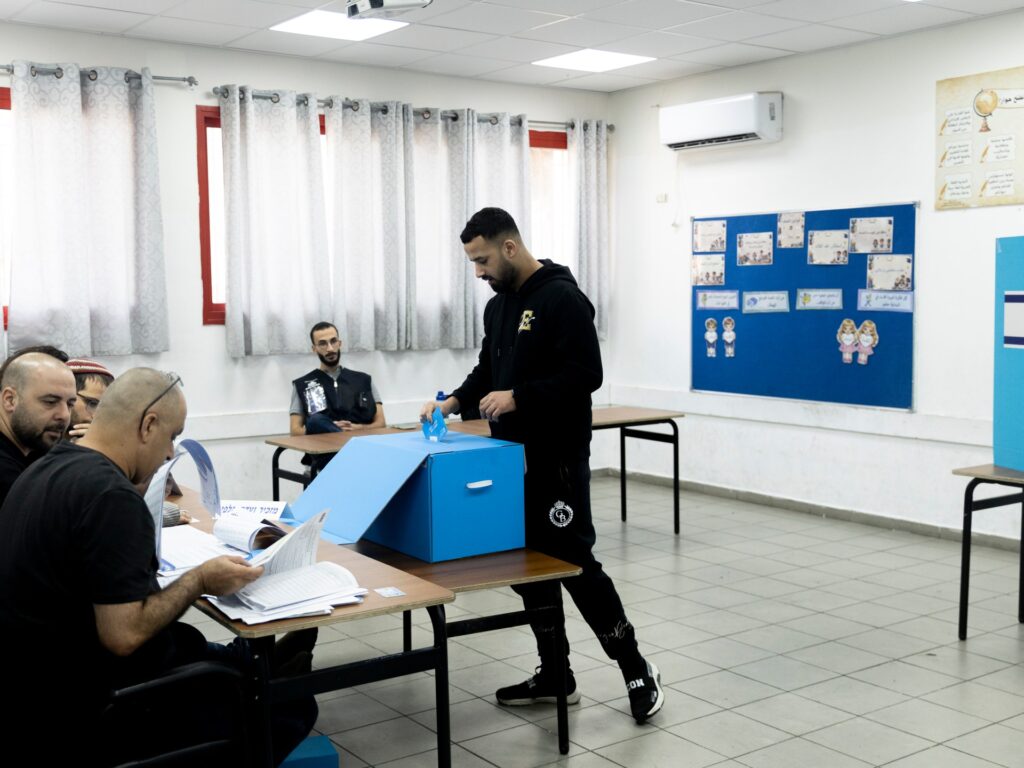
In a historic shift in political dynamics within Israel, Arab parties are poised to win a record number of seats in the upcoming election, according to recent polls. This unprecedented surge in support is coupled with an extraordinary voter turnout among Palestinian citizens of Israel, which early indications show to be around 80 percent — a record-breaking figure.
The substantial increase in Arab political participation marks a significant moment not only for the Arab community but also for the broader political landscape of Israel. Historically, voter turnout among Palestinian citizens has been relatively low due to a myriad of factors including political disenfranchisement, social barriers, and disillusionment with the electoral process. However, the current election cycle is witnessing a remarkable mobilization.
Analysts attribute this surge in engagement to several factors, including increased political awareness, grassroots campaigning, and a collective desire among Palestinian citizens to assert their political rights and influence national policy more robustly. The unity among Arab parties, which have strategically banded together in recent years, has also amplified their electoral impact, enabling them to consolidate votes that were previously fragmented.
The potential expansion in the number of Arab parliamentarians could bring fresh perspectives and policies to the Knesset, Israel’s legislative body, particularly on issues affecting Arab communities such as housing, education, and employment discrimination. It also raises the stakes in the delicate balancing act of Israeli politics, where every seat can be pivotal in coalition-building and governance.
This electoral momentum reflects broader regional and international dynamics as well, with shifts in attitudes toward minority rights and representation becoming more pronounced. It signals a growing political empowerment of Arab citizens of Israel, who constitute about 20 percent of the population.
Political observers note that the high voter turnout and the likely record number of Arab seats could influence Israel’s approach to internal coexistence and external diplomatic relations. It may foster increased dialogue and a more inclusive policy framework aimed at addressing long-standing grievances and promoting social cohesion.
Critics, however, caution that translating electoral gains into substantive policy changes requires overcoming entrenched political divisions and systemic challenges. The true test lies ahead in the ability of these newfound representatives to navigate Israel’s complex political terrain and deliver tangible benefits to their constituents.
As the election date approaches, all eyes will remain on the evolving political landscape, watching how this surge in Arab political participation shapes the future of Israeli democracy and its societal fabric. The unprecedented voter turnout and projected electoral success of Arab parties underscore a pivotal moment of transformation and potential reconciliation within Israel’s multifaceted society.