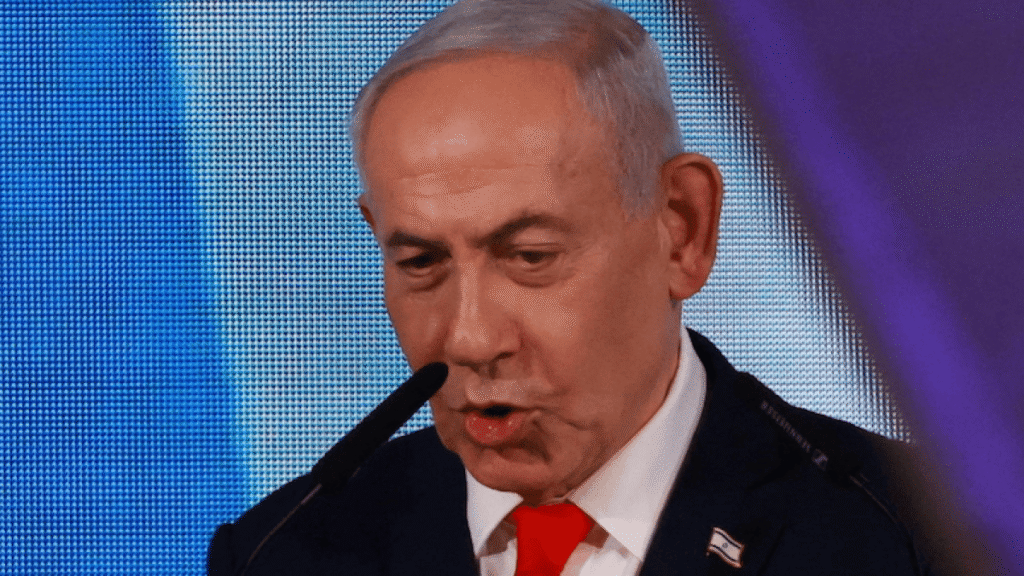
In a recent statement, Israeli politician Benjamin Netanyahu expressed strong opposition to the idea of forming a coalition government with Arab parties. Netanyahu described the prospect as “a disgrace and a shame,” emphasizing his stance against such political alliances. This declaration reinforces a long-standing position within parts of the Israeli political spectrum that view collaboration with Arab parties as problematic. Netanyahu’s comments come amid ongoing discussions about the possibility of coalition governments after recent elections, where Arab parties have gained influence. The opposition to forming coalitions with Arab parties highlights the deep political and ethnic divisions within Israeli politics. Netanyahu’s declaration serves to rally his base and underscore his political strategy moving forward. Critics argue that such rhetoric could fuel further division and hinder efforts toward inclusive governance. Supporters, on the other hand, see Netanyahu’s stance as a necessary defense of national and political ideals. The debate around coalitions involving Arab parties continues to be a sensitive and pivotal issue in Israel’s political landscape. Netanyahu’s remarks have elicited mixed reactions domestically and internationally, reflecting the complex dynamics at play. The comments may also impact future negotiation efforts and coalition-building strategies among Israeli political factions. The question of how to integrate Arab parties into the Israeli political system remains unresolved amid these tensions. Netanyahu’s stark characterization of coalition talks with Arab factions as “shameful” underscores the challenges ahead for any prospective government. As Israel’s political scene evolves, the role of Arab parties and their potential collaboration with mainstream Jewish political entities remains hotly contested. The controversy surrounding coalition formation efforts exemplifies the broader ethnic and ideological divides shaping Israeli governance. This episode highlights the difficulties faced by politicians attempting to navigate Israel’s fragmented political environment. Netanyahu’s remarks may influence voter perceptions and party alignments in upcoming electoral contests. The debate also raises questions about minority representation and inclusivity in Israel’s democracy. How Israeli leaders manage these divisions will significantly shape the country’s political trajectory in the years to come. Analysts observe that Netanyahu’s rhetoric may appeal to nationalist sentiments within his core supporters. Conversely, it may alienate groups advocating for reconciliation and broader political cooperation. The international community is watching closely, aware of the implications such internal political dynamics have on regional stability. Netanyahu’s comments reiterate the polarizing nature of coalition politics in Israel, emphasizing ongoing challenges in achieving consensus. Moving forward, stakeholders must consider approaches that balance political realities with aspirations for more inclusive governance. Netanyahu’s statement marks a significant moment in Israel’s political discourse, reflecting entrenched divisions about the country’s future direction. As the political landscape continues to shift, so too will debates about the role and legitimacy of Arab parties in government coalitions. This situation underscores the need for dialogue and negotiation to bridge gaps in Israeli society. Ultimately, the resolution of these disputes will be pivotal in defining Israel’s democratic character and social cohesion. Netanyahu’s declaration positions him firmly on one side of a deeply divided political debate, highlighting the stakes involved in coalition formation. The unfolding political developments will be critical to monitor for those interested in Israel’s internal and regional affairs. In conclusion, Netanyahu’s labeling of coalition talks with Arab parties as “a disgrace and a shame” captures the intensity of political divisions in Israel today. The challenges of forming coalitions across ethnic and ideological lines remain a central issue in the country’s governance and future political stability.