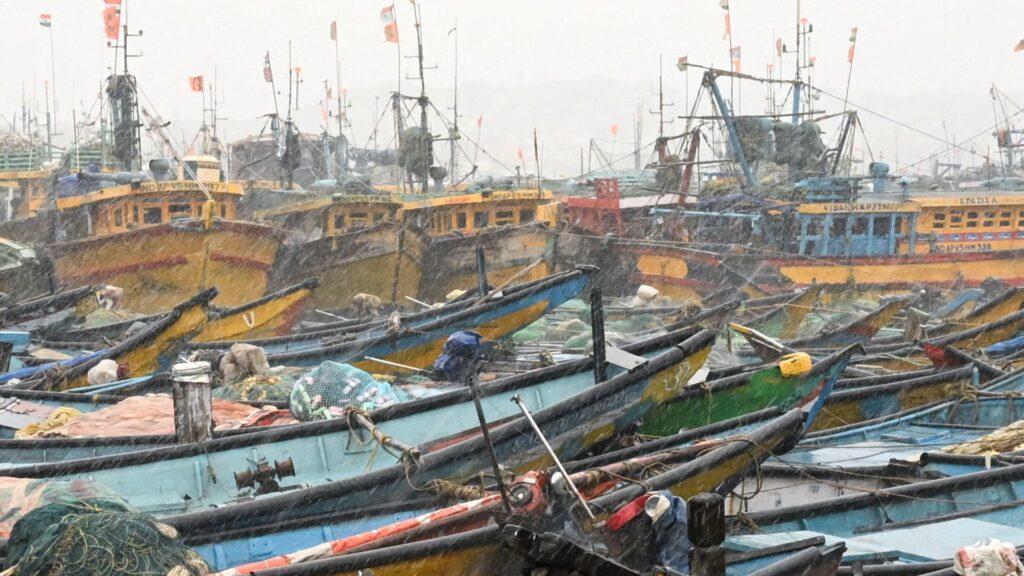
Cyclone Arnab has made landfall along India’s east coast, bringing severe weather conditions to the region. On Tuesday, residents experienced heavy rains and coastal flooding as the cyclone moved inland. The powerful storm has caused widespread disruption, affecting daily life and prompting emergency responses from local authorities.
The east coast of India, which includes several densely populated areas, has been significantly impacted by the cyclone. Floodwaters have inundated coastal towns, leading to evacuations and damage to infrastructure. The heavy rains associated with Arnab have also triggered landslides and disrupted transportation networks.
Meteorological agencies issued warnings ahead of the cyclone’s arrival, advising residents of low-lying areas to stay alert and prepare for potential evacuations. The Indian government has mobilized disaster response teams to assist affected communities and provide relief supplies.
Cyclone Arnab formed in the Bay of Bengal and rapidly intensified as it approached the coastline. Its strong winds and heavy precipitation have caused power outages and communication breakdowns in several districts. Local authorities are working to restore services and assess the damage.
Emergency shelters have been set up to accommodate those displaced by flooding and structural damage. Efforts are underway to clear debris from roads and to ensure the safety of residents as the cyclone passes through.
The cyclone’s impact extends beyond flooding; agricultural areas along the coast are at risk, with crops damaged by wind and water. This could have economic repercussions for the region, which relies heavily on agriculture and fishing.
Residents are urged to follow official advisories, avoid unnecessary travel, and take precautions to safeguard their property and well-being. Authorities continue to monitor the storm’s progress and provide updates to keep the public informed.
As Cyclone Arnab moves further inland, the intensity of the storm is expected to decrease, but heavy rainfall may persist in affected areas. Recovery efforts will focus on restoring infrastructure, providing aid to those affected, and rebuilding damaged communities.
The event highlights the vulnerability of coastal regions to extreme weather and the importance of preparedness and responsive disaster management. Cyclone Arnab serves as a reminder of the ongoing challenges posed by climate change and the need for resilient infrastructure to withstand natural disasters.