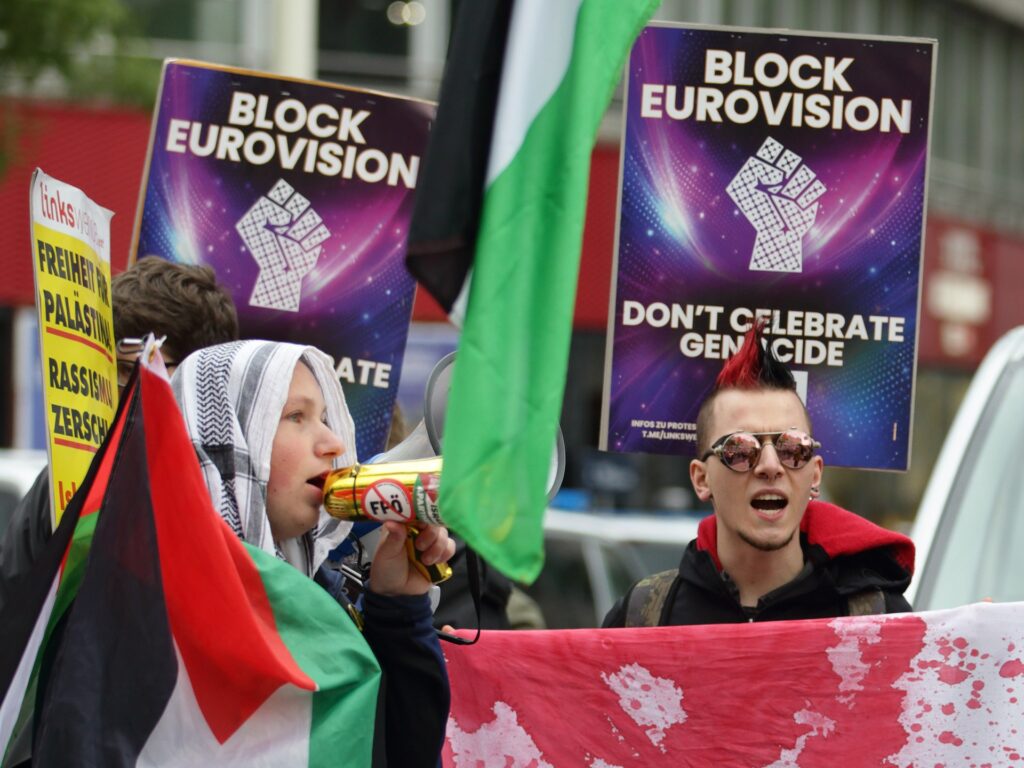
The Netherlands has officially announced its withdrawal from the Eurovision Song Contest 2027, citing concerns over “sensitivities” related to Israel’s participation in the event. This decision marks the latest in a series of boycotts by various countries expressing discontent regarding Israel’s inclusion in the contest.
Eurovision, a celebrated annual music competition known for its diverse cultural representation, has occasionally seen countries withdraw due to political reasons. The Netherlands’ exit has drawn significant attention, highlighting the ongoing controversies that often surround the participation of certain nations.
Representatives from the Dutch delegation stated that the decision was made to avoid potential diplomatic issues and to respect the complex political context surrounding Israel’s involvement in Eurovision 2027. While the Netherlands has been a longstanding participant in Eurovision, this choice underscores the growing tensions that have affected the event’s inclusivity.
Over recent years, other countries have also reconsidered their Eurovision participation due to geopolitical disputes. The Netherlands’ withdrawal adds to this trend and raises questions about the future of the contest as a platform for unity and celebration of diversity.
Critics argue that boycotts undermine the spirit of Eurovision, which aims to transcend political conflicts through music and cultural exchange. Supporters of the Dutch decision maintain that participation in such events must consider the sensitive issues faced by the countries involved.
The Eurovision Song Contest organizers have not yet released an official statement in response to the Netherlands’ withdrawal, but the development is expected to spur further debate on the intersection of politics and international cultural events.
For fans and artists, the withdrawal represents a disappointment as the Netherlands has historically contributed memorable performances and has been integral to the contest’s legacy. The impact of this decision will likely influence the approach of other nations in future contests.
As Eurovision 2027 approaches, attention is now turning to how the contest will navigate these political challenges while striving to maintain its status as a unifying cultural celebration across Europe and beyond.