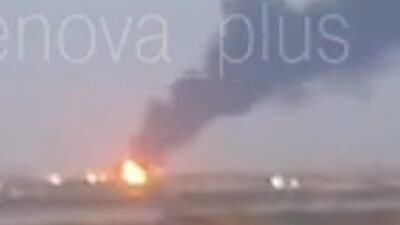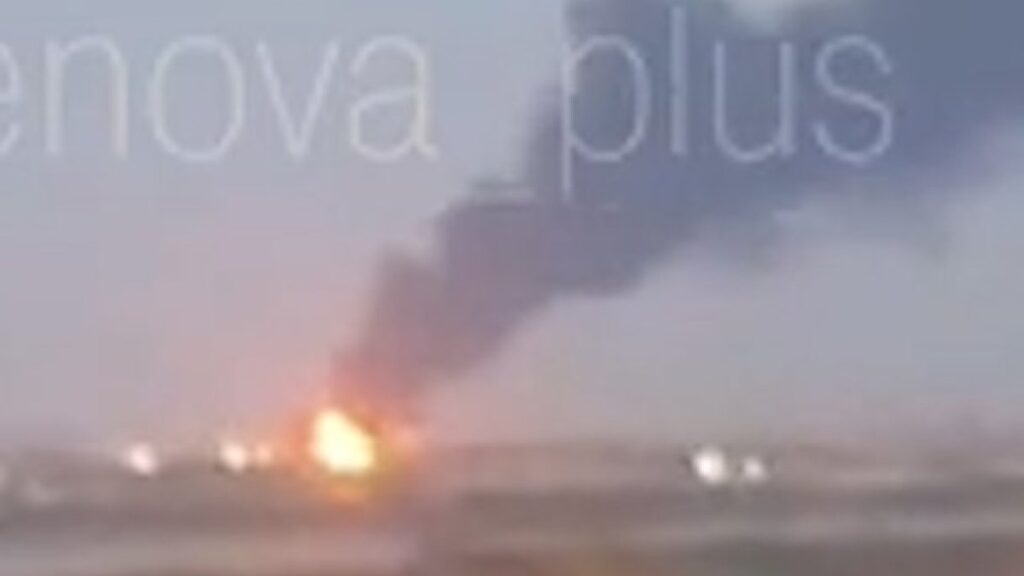
In a significant escalation of the ongoing conflict, multiple regions within Russia have recently come under attack by Ukrainian drone swarms. Among the targeted areas is an industrial plant located in the Perm region of Russia, which has been hit by a massive coordinated drone assault. This development underscores the increasing use of unmanned aerial vehicles (UAVs) in modern warfare and highlights Ukraine’s expanding reach and tactical capabilities against strategic targets deep within Russian territory.
The attack on the Perm industrial plant involved a large number of drones launching a simultaneous strike, designed to overwhelm defense mechanisms and inflict maximum damage. This industrial facility, known for its strategic importance in the region’s manufacturing and economic infrastructure, suffered significant disruptions following the assault. Preliminary reports indicate that emergency response teams are actively working to assess and contain the damage.
The use of drone swarms in these operations represents a tactical shift with several advantages: drones are difficult to detect and intercept due to their small size and high maneuverability, and swarms can saturate and confuse traditional air defense systems. The Ukrainian military’s employment of this technology illustrates a move toward modern and asymmetric warfare strategies, leveraging relatively low-cost equipment to challenge more heavily fortified targets.
These attacks have also raised concerns within Russian defense circles, prompting heightened alert levels and increased efforts to bolster drone defense technologies. Russian officials have condemned the incursions as violations of their sovereignty and have warned of potential retaliatory measures. Nonetheless, the frequency and intensity of the drone attacks signal a continuing escalation in drone warfare on the eastern front.
Analysts note that the targeting of industrial infrastructure is a deliberate attempt to undermine Russia’s logistical and production capabilities. By striking critical economic nodes, Ukraine aims to weaken Russia’s war effort and create internal challenges that ripple beyond the battlefield.
This latest drone campaign follows a series of similar attacks on other Russian regions, reflecting a broader strategy to disrupt supply chains and military installations. While the human toll from these drone strikes remains limited compared to traditional bombing campaigns, the psychological and operational impact is substantial, sowing uncertainty and fear among civilian populations and military personnel alike.
International observers have been closely monitoring the situation, recognizing the potential for drone technology to transform conflict dynamics globally. The success of these Ukrainian drone operations could inspire other nations and non-state actors to adopt similar tactics in future conflicts.
As the conflict continues, the role of drone warfare is expected to grow, with both sides investing heavily in developing countermeasures and offensive capabilities. The incident in the Perm region is a stark reminder of how modern conflicts are increasingly fought in new domains, where technology and innovation often dictate the course and outcome of warfare.
In conclusion, the recent Ukrainian drone attacks on the Perm industrial plant and other regions in Russia mark a pivotal moment in the evolution of military tactics and technology. These events highlight the changing nature of warfare, where drones and asymmetric strategies play an increasingly central role in achieving military objectives.