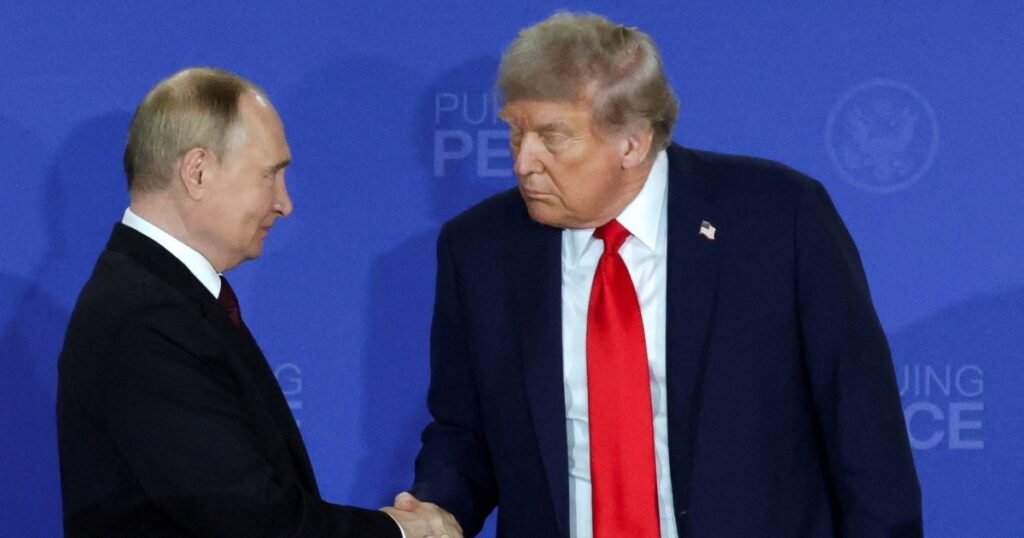
In a significant diplomatic move, former President Donald Trump has extended an invitation to Russian President Vladimir Putin to attend the forthcoming G20 summit scheduled to be held in Miami. This invitation marks a notable development in international relations, particularly given the current geopolitical tensions involving Russia and the West.
US Secretary of State Marco Rubio highlighted the invitation as an important diplomatic opportunity. According to Rubio, the summit will provide a valuable platform for Putin to engage directly with other world leaders. Such interactions are crucial for dialogue and negotiation, especially amidst ongoing conflicts and disputes on the global stage.
The decision to include Putin at the G20 summit reflects a strategic approach aimed at fostering communication despite underlying tensions. The G20 summit, which brings together the world’s largest economies, serves as a vital forum for addressing global economic and political challenges. Inviting all influential leaders, including Putin, underscores a commitment to inclusive dialogue.
This move could have several implications. For one, it may open avenues for easing strained relations through personal diplomacy. Direct interaction between Putin and other leaders might help break deadlocks on key issues such as sanctions, security concerns, and regional conflicts.
Moreover, the invitation signals that the US, despite its criticisms of Russian policies, recognizes the importance of engaging Russia in multilateral discussions. This approach could potentially contribute to stabilizing global politics by maintaining lines of communication open.
However, the invitation is not without controversy. Critics argue that extending an invitation to Putin could be seen as legitimizing Russia’s contentious actions on the international stage. There is concern that it might undermine unified efforts by Western nations to apply pressure through sanctions and diplomatic isolation.
Despite these concerns, Secretary Rubio emphasized that the summit presents a constructive opportunity rather than an endorsement. The goal is to utilize the gathering as a means for constructive engagement and conflict resolution.
The Miami G20 summit’s agenda is expected to cover a range of pressing issues including global economic recovery post-pandemic, climate change, and international security. Putin’s presence could thus influence discussions on these critical topics, given Russia’s significant role in global energy and security.
Historically, summits like the G20 have been venues where informal and direct talks between leaders have led to breakthroughs unattainable through conventional diplomatic channels. Inviting Putin aligns with this tradition of using such forums to advance international cooperation.
As preparations for the summit continue, global attention is focused on how the interactions at Miami will shape future geopolitical dynamics. Observers are keen to see whether the invitation leads to meaningful dialogue or exacerbates existing divisions.
In summary, Trump’s invitation to Putin for the Miami G20 summit is a multifaceted development with potential far-reaching effects. It embodies a complex balance between engagement and caution, reflecting the challenging nature of contemporary international relations. The summit will serve as a crucial testing ground for diplomatic strategies aimed at addressing global challenges through dialogue and cooperation.