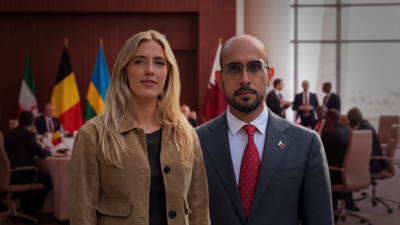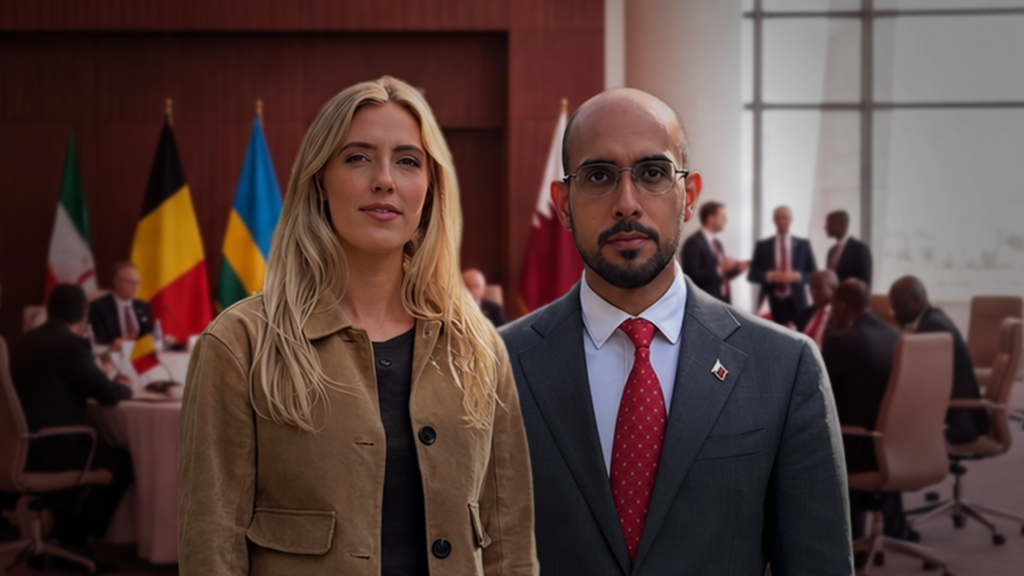
Belgium and Rwanda have officially restored diplomatic relations after an 18-month hiatus, a development that holds significant implications for peace efforts in the eastern Democratic Republic of Congo (DR Congo). The rupture between the two nations was largely due to tensions stemming from the ongoing war in eastern DR Congo, where multiple armed groups have been involved in a complex and protracted conflict.
The restoration of ties was eagerly awaited by the international community, as both Belgium and Rwanda play crucial roles in regional dynamics surrounding the conflict. Belgium, the former colonial power in DR Congo, has historically maintained close ties with the country, while Rwanda’s involvement has been a central factor in the instability of the east.
The renewed diplomatic engagement is expected to foster greater cooperation between the two countries in addressing the conflict and humanitarian challenges in the region. It opens avenues for dialogue on security, economic collaboration, and support for peacebuilding initiatives in eastern DR Congo.
Eastern DR Congo has been plagued by violence for decades, with numerous armed groups fighting for control of valuable mineral resources and political power. The conflict has resulted in significant civilian casualties, displacement, and human rights abuses. Both Rwanda and DR Congo accuse each other of backing rebel factions, complicating efforts to establish lasting peace.
With the diplomatic thaw, there is cautious optimism that Belgium and Rwanda can work together to mediate disputes and support regional stability. Belgium’s influence in European policymaking and its historical connection to DR Congo position it as a potential facilitator in peace negotiations. Rwanda’s cooperation is critical given its role and interest in the security dynamics of eastern DR Congo.
Analysts suggest that the resumption of relations between Belgium and Rwanda could lead to more coordinated international pressure on rebel groups and stronger support for governance reforms in DR Congo. It could also enhance the effectiveness of United Nations peacekeeping missions and humanitarian aid delivery.
However, resolving the conflict in eastern DR Congo remains a daunting challenge. Deep-seated mistrust, complex ethnic rivalries, and economic interests fuel ongoing violence. Successful peace efforts will require sustained commitment from regional players, including Rwanda and DR Congo, supported by international partners like Belgium.
In conclusion, while the restoration of diplomatic relations between Belgium and Rwanda is a positive milestone, it is but one step in a long journey towards lasting peace in eastern DR Congo. Ongoing dialogue, collaboration, and multifaceted peacebuilding strategies remain essential to achieving stability and improving the lives of millions affected by the conflict.