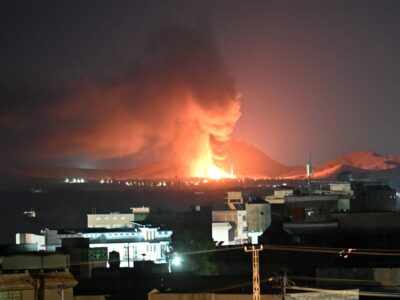
Yemeni government forces have reported successfully repelling a series of attacks by Houthi militants in the southwestern Taiz governorate, a critical area in the ongoing conflict. Fierce battles erupted across strategic highlands, with the government troops claiming to have inflicted heavy casualties on the Houthis, killing dozens.
The fighting in Taiz has intensified as both sides vie for control over key terrain that holds significant military and logistical value. According to reports from government sources, the clashes are part of a broader campaign to secure the region against persistent Houthi advances.
Taiz has been one of the major battlegrounds in the Yemeni conflict, given its strategic location that connects the capital, Sana’a, with the southern provinces. Control over this region allows for enhanced movement of troops and supplies, factors that have made it a prime target for both forces.
Government forces, backed by allied militias and supported by a coalition led by Saudi Arabia, have increased their operations in the area in recent months. The objective has been to push back Houthi fighters and reinstate government authority over key towns and supply routes.
The Houthis, officially known as Ansar Allah, have maintained a strong presence in the highlands of Taiz, using the rugged terrain to their advantage. Their attacks have included artillery shelling, ambushes, and attempts to seize elevated positions that command the surrounding areas.
During the recent clashes, government forces reportedly launched counteroffensives that resulted in regaining lost ground and inflicting significant losses on the Houthis. The exact casualty figures remain difficult to verify independently due to the fluid and dangerous nature of the fighting.
The conflict in Taiz exacerbates the humanitarian crisis in Yemen, where millions of civilians face displacement, food insecurity, and limited access to medical care. The fighting disrupts aid delivery and endangers civilians caught in the crossfire.
International observers continue to call for ceasefires and peace negotiations to end the conflict, which has lasted for over a decade and involves regional powers pursuing strategic interests.
However, the recent clashes in the Taiz governorate underscore the ongoing volatility and complexity of the situation. Both sides appear entrenched in their positions, with the government determined to reclaim territory and the Houthis intent on maintaining their influence.
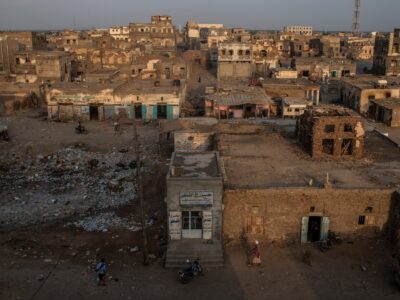
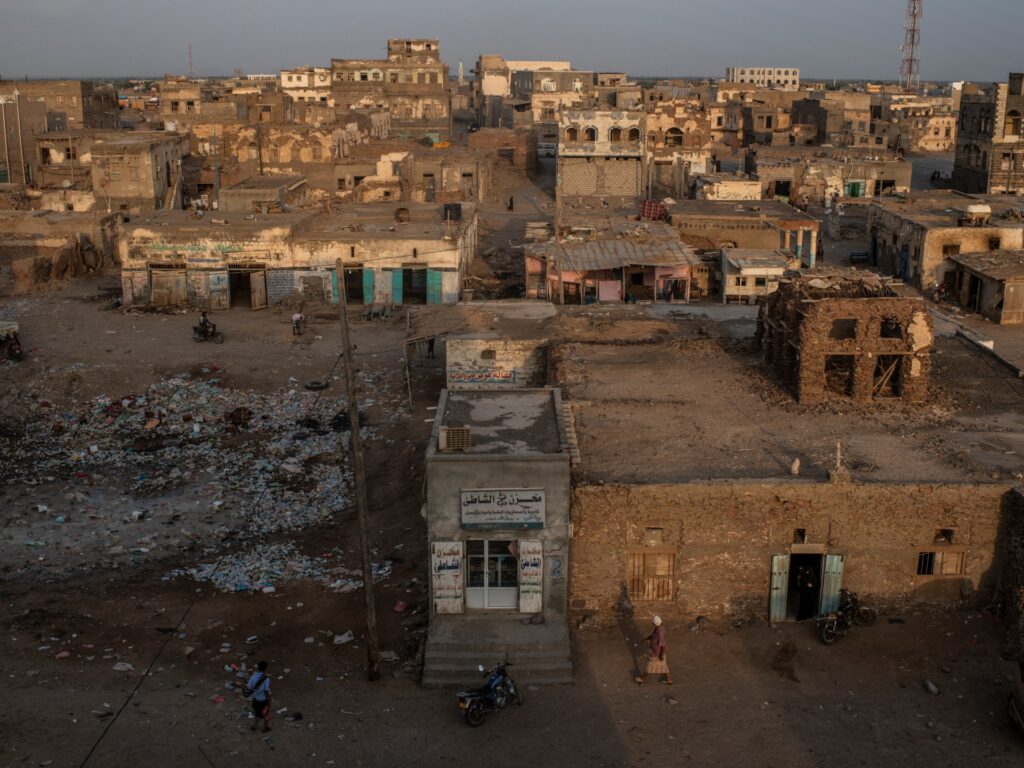
As the fighting rages on, the people of Taiz experience the harsh realities of war, with infrastructure damage, disruption of daily life, and an uncertain future looming over the region.
The Yemeni conflict remains one of the world’s most challenging and protracted crises, with no immediate resolution in sight. Efforts by the United Nations and other international actors aim to broker peace but face resistance from various factions.
In summary, the recent Yemeni government forces’ success in repelling Houthi attacks in Taiz marks a significant development in the ongoing hostilities. The outcome of this fighting could influence broader dynamics in Yemen, yet the path to lasting peace remains fraught with difficulties and setbacks.
Continued attention and support from the international community are essential to mitigating further suffering and progressing towards a sustainable resolution that can bring stability back to Yemen and its people.