In a recent legal decision, a teenage asylum seeker has been sentenced to jail in the United Kingdom for steering an overcrowded migrant boat across the English Channel. The incident has raised serious concerns about migrant safety and illegal crossings.
The young individual, whose exact age has not been publicly disclosed, was found to have piloted a small vessel carrying numerous migrants attempting to reach the UK from continental Europe. Authorities report that the boat was severely overcrowded, lacking adequate safety gear, and encountered dangerous conditions during the journey.
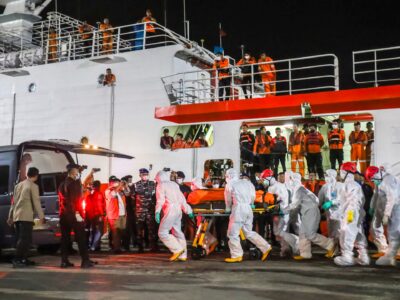
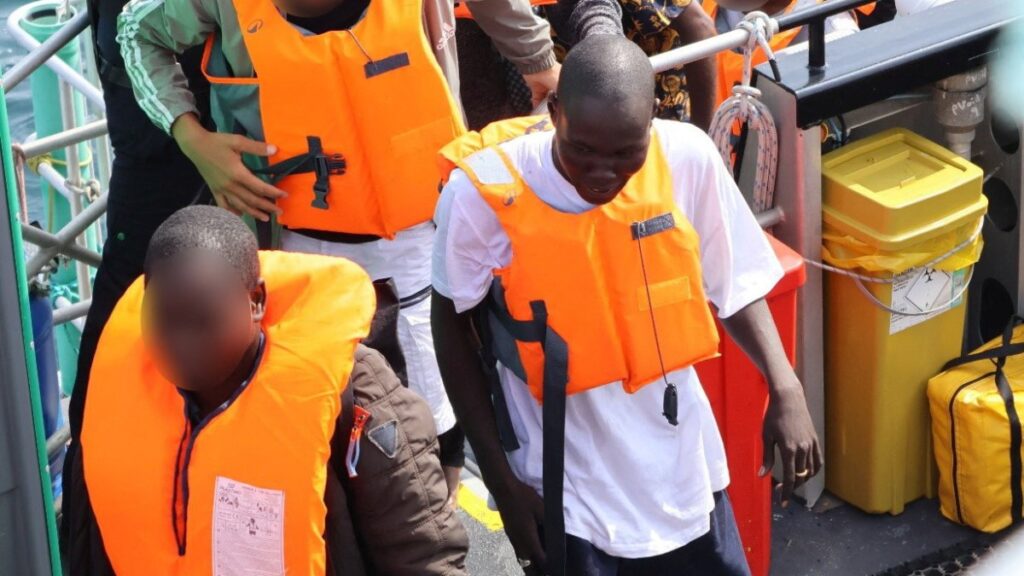
UK Border Force officials intercepted the vessel after it began taking on water, which heightened the risk of capsizing. Fortunately, the Border Force was able to intervene in time to prevent a major disaster, rescuing all individuals aboard the craft.
The court highlighted the perilous nature of the migration route, emphasizing the dangers faced by those attempting to cross the Channel in unseaworthy vessels. The judge noted that steering such a boat not only endangered the life of the young operator but also the many others crowded aboard.
This case underscores ongoing challenges faced by the UK in managing Channel crossings amid increasing attempts by migrants to reach British shores through dangerous means. The government has intensified efforts to deter illegal crossings, including increased patrols and stricter legal measures against those who facilitate or attempt such journeys.
Critics of the UK’s approach argue for more compassionate policies and safer legal pathways for asylum seekers. They contend that young migrants often take desperate measures, driven by circumstances in their home countries and a lack of safe migration options.
International organizations have also voiced concerns about the treatment of minors in detention and the broader humanitarian implications of criminalizing vulnerable individuals seeking refuge.
As the UK continues to grapple with the complexities of migration across the Channel, this case serves as a stark reminder of the human stories behind headlines—highlighting the need for balanced approaches that safeguard security while respecting humanitarian obligations.