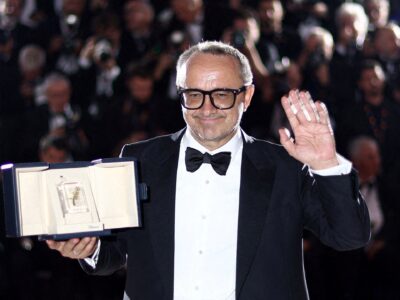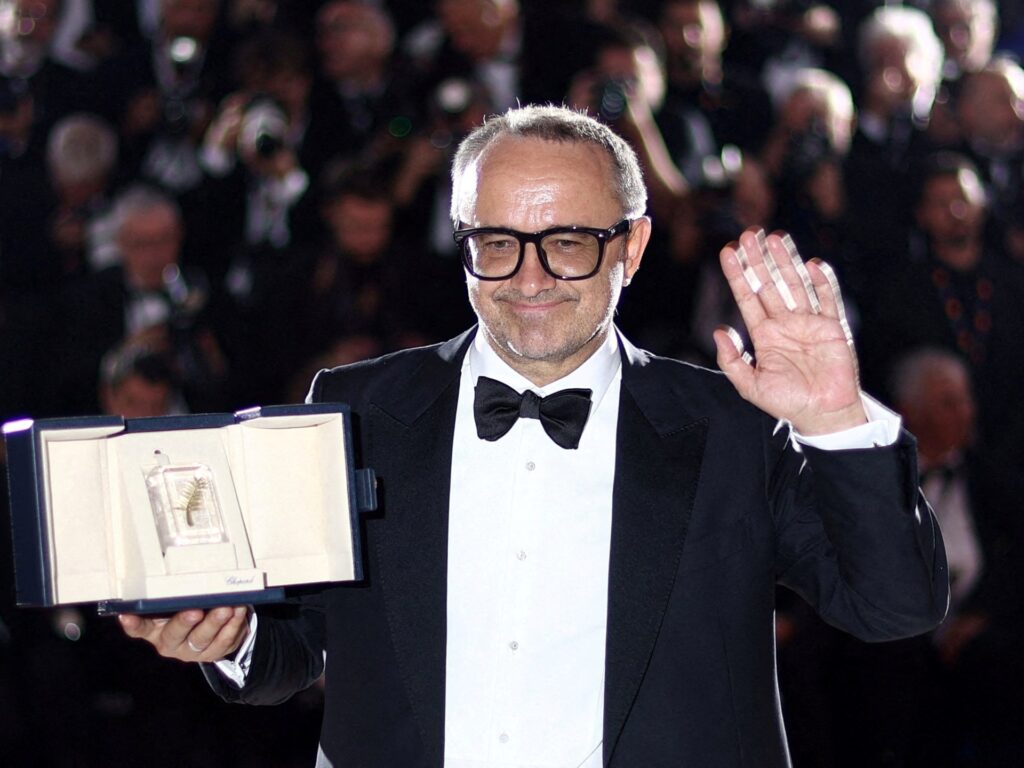
Andrey Zvyagintsev, the acclaimed Russian film director who won the prestigious 2026 Grand Prix award at the Cannes Film Festival, has recently been designated as a “foreign agent” by Russian authorities. This controversial labeling comes in light of Zvyagintsev’s outspoken criticism of Russia’s ongoing war in Ukraine.
Zvyagintsev, known for his critically lauded films that often explore complex social and moral themes, has gained international recognition and respect. His recent accolade at Cannes further solidified his status as one of Russia’s most talented cinematic voices on the world stage. However, his critical stance against the Ukrainian conflict has made him a target within Russia’s increasingly strict political environment.
The “foreign agent” label in Russia is a governmental classification often used against individuals and organizations that are perceived to be acting under the influence or financial support of foreign countries. Once designated, the individual or entity faces stringent regulations, including frequent reporting obligations, and suffers significant damage to their reputation and career within Russia.
Zvyagintsev’s criticism of the war follows a broader pattern of dissent among prominent Russian intellectuals and artists who have publicly opposed the military action in Ukraine. Despite the risks, these voices have continued to raise awareness about the humanitarian and political consequences of the conflict.
The response from Russian authorities reflects the government’s increasing intolerance toward dissent and attempts to stifle any narratives that contradict the official state propaganda regarding the war. By labeling Zvyagintsev a foreign agent, the Russian government aims to isolate him domestically and diminish his influence.
International film communities and human rights organizations have expressed concern over this move, highlighting the dangers of suppressing artistic freedom and political expression. Many see Zvyagintsev’s situation as emblematic of the growing constraints faced by artists and intellectuals in Russia amid the ongoing geopolitical tensions.
Throughout his career, Zvyagintsev has used cinema as a platform to explore deeply human stories against the backdrop of social injustice and political turmoil. His films have not only earned him critical acclaim but also sparked important conversations about morality, governance, and society in Russia and beyond.
As the conflict in Ukraine persists, Zvyagintsev’s case underscores the precarious position of cultural figures who challenge the dominant narratives in authoritarian contexts. It also highlights the broader struggle for freedom of expression and the role of art in times of political repression.
In conclusion, the designation of Andrey Zvyagintsev as a foreign agent marks a significant moment in the relationship between the Russian state and its artistic community. It raises critical questions about the future of artistic freedom, civil rights, and political dissent within Russia, especially as the war in Ukraine continues to shape the nation’s political landscape.