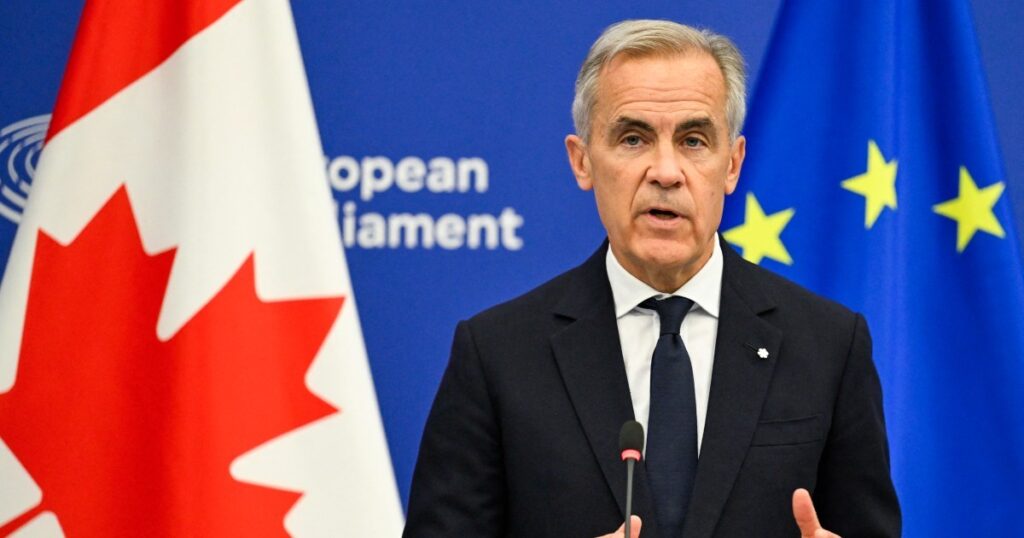
Canada’s decision to join the Europe-led Joint Expeditionary Force (JEF) military partnership marks a significant step in its strategic realignment towards Europe. This move comes against the backdrop of a bitter trade war with the United States, Canada’s long-standing ally and neighbor. By aligning more closely with Europe through the JEF, Canada aims to solidify its military and diplomatic ties with European nations.
The Joint Expeditionary Force is a multinational military initiative led by the United Kingdom and other Northern European countries, focused on rapid deployment and cooperation in regional security challenges. Canada’s participation not only enhances the operational capabilities of the partnership but also signifies Canada’s commitment to collective defense beyond North America.
This initiative reflects Canada’s broader strategy to diversify its international partnerships, reducing its dependency on the United States amid growing economic and political tensions. The ongoing trade disputes have prompted Canada to seek alternative allies and markets, and strengthening its defense and diplomatic relationships with Europe is a critical component of this strategy.
Furthermore, the move underscores Canada’s desire to play a more prominent role in global security affairs. By joining the JEF, Canada can contribute to and influence security policies in Europe, which has broader implications for international peace and stability.
Canada has historically maintained strong transatlantic relationships but joining the JEF represents a more structured and active engagement in European defense cooperation. This military partnership allows Canada to work closely with European forces, participate in joint training exercises, and contribute to collective responses to security threats.
In addition to military benefits, this closer association with Europe could bolster Canada’s diplomatic leverage and open new avenues for economic collaboration, particularly with the European Union. With transatlantic trade under strain due to the US-Canada trade war, Europe becomes an attractive pivot for Canada’s future economic growth and diversification.
Canada’s initiative to join the JEF also signals to its citizens and international partners that it is committed to maintaining peace and security through multilateral cooperation. It reflects the country’s values of partnership, collective defense, and shared responsibility in addressing global challenges.
In summary, Canada’s move to join the Europe-led JEF military partnership is motivated by several factors: the desire to strengthen military ties with Europe, diversify international alliances amid tensions with the US, enhance its role in global security, and support economic strategies focused on European markets. This step is a clear indication of Canada’s evolving foreign policy in response to contemporary geopolitical challenges.