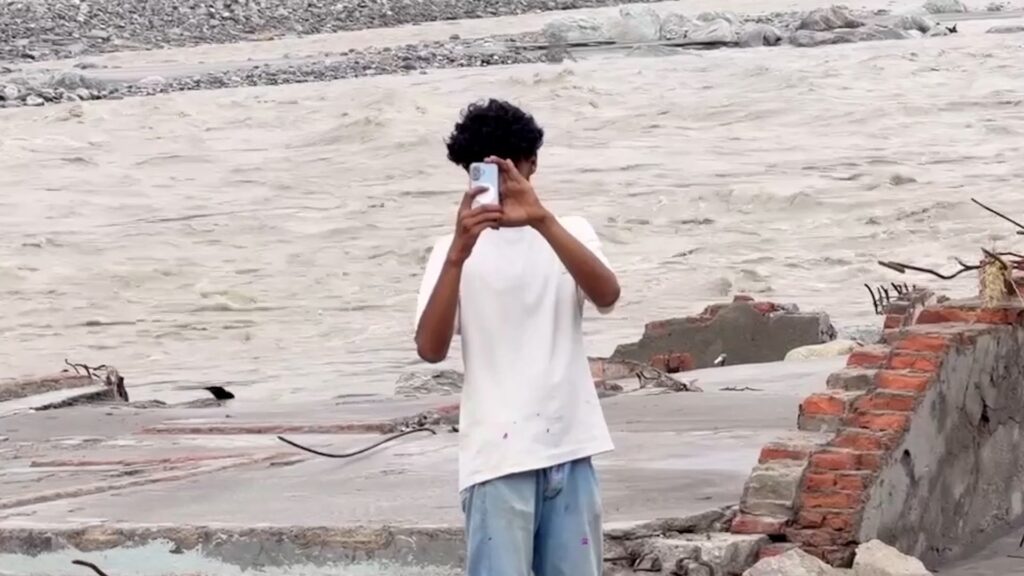
In the wake of the devastating floods in Nepal, a growing controversy has emerged around certain social media personalities commonly referred to as ‘aid influencers.’ These individuals have been accused of exploiting the suffering of flood survivors to increase their social media followers rather than providing genuine support.
The floods in Nepal, triggered by heavy monsoon rains, have caused widespread devastation, displacing thousands and causing loss of life and property. As humanitarian agencies mobilized for relief efforts, the online community also saw an influx of influencers visiting affected areas.
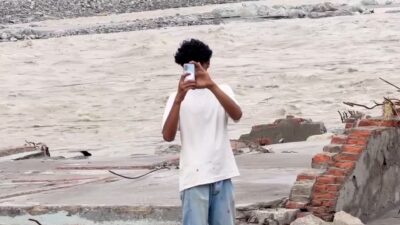
However, rather than focusing solely on aid and relief, some of these influencers have been criticized for leveraging the disaster to enhance their public image and attract followers. Videos and social media posts allegedly show these aid influencers emphasizing their presence in disaster zones with dramatic and sometimes insensitive content.
Critics argue that these actions divert attention from the real needs of victims and the ongoing relief efforts. They point out instances where influencers seem more engaged in capturing viral moments than offering meaningful assistance.
Local residents and activists have expressed dismay over this trend, insisting that true help should come without conditions tied to personal gain. They warn that such behavior undermines the spirit of community solidarity that is crucial during crises.
Experts in social media ethics caution against the performative aspect of aid in the digital age, urging content creators to prioritize empathy and responsibility. They emphasize that while raising awareness through social media can be valuable, it should not overshadow direct action and respect for those affected.
The controversy has sparked debates on the role of influencers in humanitarian contexts and the balance between advocacy and exploitation. Some social media platforms have been called upon to regulate content that appears to commodify suffering.
Meanwhile, genuine charity organizations continue their efforts on the ground, urging the public to support verified relief channels. They highlight the importance of coordinated and respectful aid to effectively address the needs of flood survivors.
This incident serves as a reminder of the ethical challenges that arise when tragedies intersect with social media dynamics. It stresses the need for accountability and compassion in how influencers engage with vulnerable communities, especially in times of crisis.